









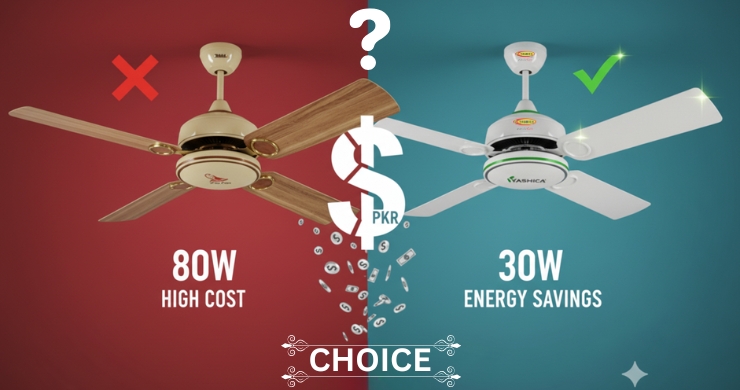
Best Ceiling Fan for Summers: 30 Watt Inverter Fan Vs Normal Fan – How Much Can You Save?
By arbab
November 24, 2025
Best Ceiling Fan for Summers: 30 Watt Inverter Fan Vs Normal Fan – How Much Can You Really Save?
In countries like Pakistan, where ceiling fans run for more than half the year, they are the single biggest contributor to summer electricity bills after air conditioners. The traditional ceiling fan (usually consuming 75W to 90W) is now being challenged by the advanced 30 Watt Inverter Fan. This guide provides a detailed comparison, focusing on performance, technology, and, most importantly, the actual financial savings you can expect from switching to an Inverter Fan.Understanding the Traditional (Normal) Fan
The standard AC ceiling fan has been the mainstay for decades. It uses an induction motor that typically draws 75W to 90W of power.Technology and Consumption
Normal fans operate on Alternating Current (AC). When you adjust the speed using a regulator (dimmer), the regulator does not reduce the power consumption; instead, it reduces the voltage, which is highly inefficient and results in energy wastage in the form of heat.Advantages
- Low Initial Cost: They are significantly cheaper to purchase upfront.
- Easy Availability: Parts and maintenance are easily available everywhere.
- High Torque: They provide a strong initial push and high RPM (Rotations Per Minute).
Disadvantages
- High Running Cost: Consuming 75W to 90W continuously leads to high electricity bills.
- Inefficient Speed Control: Regulators waste electricity at lower speed settings.
- Heat Generation: The motor generates noticeable heat due to energy wastage.

The Power of the 30 Watt Inverter Fan
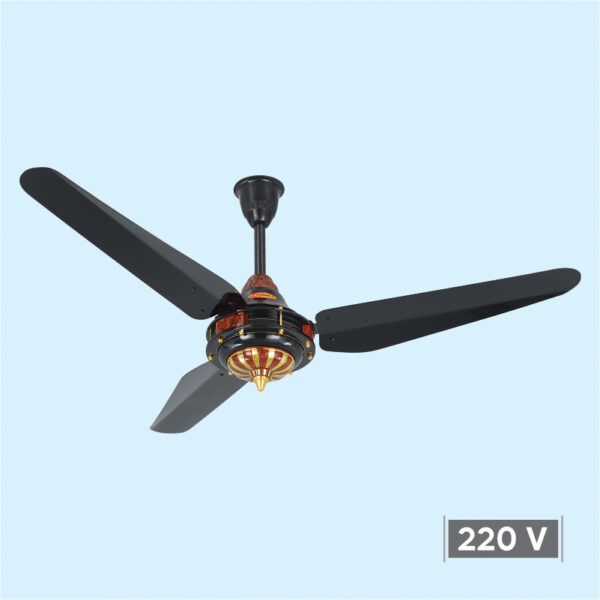
Inverter fans use advanced BLDC (Brushless DC) motor technology and operate on Direct Current (DC). They typically consume a mere 28W to 35W of electricity.Technology and Savings
The fan converts the home’s AC supply to DC internally. The speed is controlled electronically via a remote control, ensuring that only the exact required amount of energy is used, leading to minimal wastage.Advantages
- Extreme Energy Saving: Consumes 60% to 70% less electricity than a normal fan.
- No Voltage Fluctuation Issue: The fan maintains a consistent speed even if the voltage drops.
- Remote Control: Offers easy speed adjustment and timer options.
- Silent Operation: BLDC motors are much quieter than traditional induction motors.
Disadvantages
- Higher Initial Cost: The purchase price is generally higher due to the advanced motor technology.
- Repair Complexity: Servicing requires specialized technicians familiar with BLDC motors.
The Real Savings Calculation
Let’s assume a fan runs 18 hours a day for 150 days (5 months) and the electricity rate is PKR 30 per unit (1 kWh).| Factor | Normal Fan (80W) | Inverter Fan (30W) |
|---|---|---|
| Daily Consumption | 1.44 kWh (units) | 0.54 kWh (units) |
| Annual Consumption (150 days) | 216 units | 81 units |
| Annual Cost (@ PKR 30/unit) | PKR 6,480 | PKR 2,430 |
| Annual Savings per Fan | — | PKR 4,050 |

Extra SEO Boost: Performance and Aesthetics
To ensure high ranking, address these buying factors:- Air Delivery (CFM): Modern 30W Inverter Fans are specifically designed to match or even exceed the Air Delivery (measured in CFM – Cubic Feet per Minute) of a traditional 80W fan. Do not assume low consumption means low air delivery.
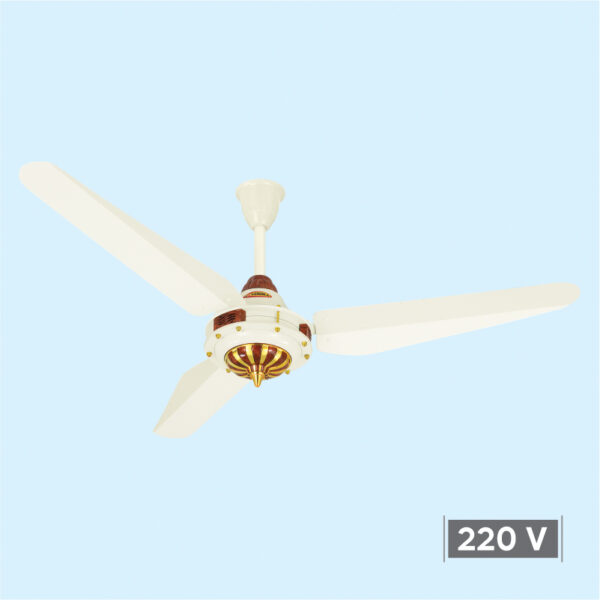
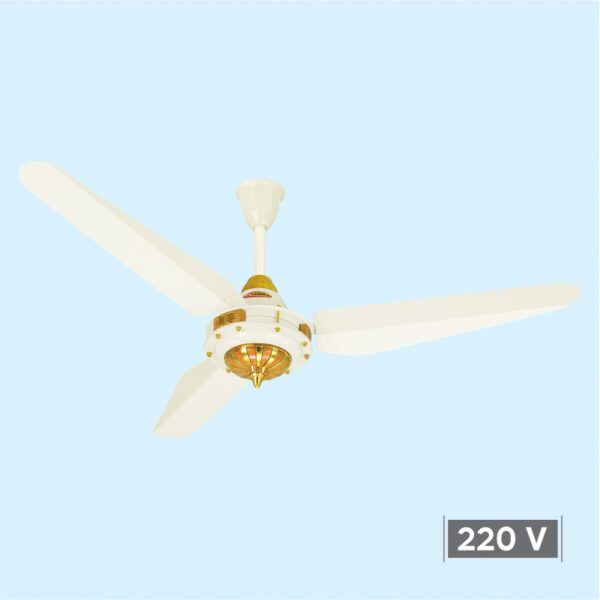
- Aesthetics and Design: Inverter fans often feature modern, sleek designs (like Yashica’s Prisma or Sparkle series) that enhance room décor, offering a clear advantage over older models.
- AC/DC Compatibility: Look for Inverter fans (like Yashica’s AC/DC series) that can run directly on DC power (solar or battery), offering backup during load shedding without needing a separate UPS/Inverter for the entire house.
Final Thoughts
The initial investment in a 30 Watt Inverter Fan is quickly justified by the substantial and guaranteed savings on your electricity bill. It’s not just a cooling solution; it’s a financial necessity for any modern home looking to reduce energy costs. Yashica offers a wide range of Inverter Fans with guaranteed high air delivery and low power consumption.To explore Yashica’s Inverter Ceiling Fan range and check prices, click here: Explore Yashica Inverter Fans