









Energy Efficient Washing Machines for Lower Electricity Bills
Managing Household Costs in the Modern Era
In 2026, the rising cost of utilities has made energy efficiency a primary concern for every Pakistani household. Among all home appliances, the washing machine is one of the most frequently used, meaning its power and water consumption significantly impact your monthly electricity bill. Transitioning to energy-efficient laundry solutions is no longer just an environmental choice; it is a mechanical necessity for sustainable household budgeting.
Modern engineering has introduced several features designed to reduce the “cost per wash.” From advanced motor designs to intelligent water management, understanding how these technologies work can help you select a machine that pays for itself over time through reduced utility expenses.
The Power of Inverter Technology
The most significant advancement in energy efficiency is the Direct Drive Inverter Motor. Unlike traditional motors that operate at a fixed speed—turning on and off abruptly—inverter motors adjust their speed based on the load inside the drum.
When you wash a small load of clothes, the inverter motor consumes only the exact amount of power needed to rotate the drum. This prevents the “spike” in electricity usage that occurs when a standard motor starts. Furthermore, because inverter motors have fewer moving parts and operate with magnets rather than brushes, they are significantly quieter and have a much longer lifespan, contributing to the overall durability of the appliance.
Water Conservation and Its Impact on Energy
Water and electricity consumption are closely linked in a washing machine. The more water a machine uses, the more energy is required to pump it, rotate it, and—in the case of hot washes—heat it. In Pakistan, where water scarcity is a growing concern in urban centers like Karachi and Lahore, water-efficient machines offer a dual benefit.
Fully automatic front-load machines are the leaders in this category, as they use a tumbling motion that requires a fraction of the water compared to traditional top-load pulsators. However, even modern top-load machines now come equipped with “Load Sensing” technology. These sensors weigh the dry laundry before the cycle begins and precisely calibrate the water intake, ensuring not a single drop is wasted.
Optimal Settings for Maximum Savings
Beyond the hardware, how you use your machine determines its efficiency. To keep your electricity bills as low as possible, consider the following practices:
Cold Water Washes: Heating water accounts for nearly 90% of the energy used by a washing machine. Using a cold-water cycle for daily wear is highly effective with modern detergents and significantly reduces power draw.
Full Loads Only: Running the machine once with a full load is more efficient than running it twice with half-loads. However, be careful not to “overload” as this can strain the motor.
High Spin Speeds: Utilizing the highest spin speed allows the machine to extract more water mechanically. This reduces the time needed for sun-drying or electric drying, further saving energy.
Engineering for the Pakistani Grid
A major challenge for appliances in Pakistan is voltage fluctuation. An energy-efficient machine must also be a resilient one. Modern machines designed for the local market often include built-in voltage stabilizers and “Auto-Restart” functions. These features ensure that the machine does not consume excess power trying to compensate for low voltage and protects the sensitive electronic PCB from damage during power surges.
Yashica’s Commitment to Sustainable Cooling and Cleaning
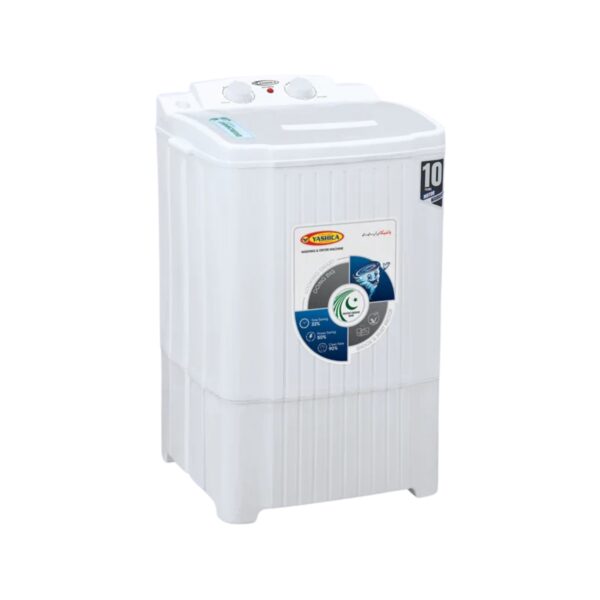
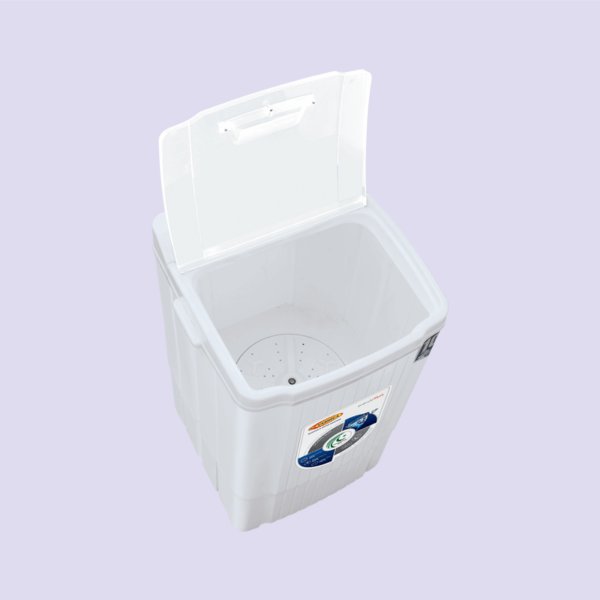
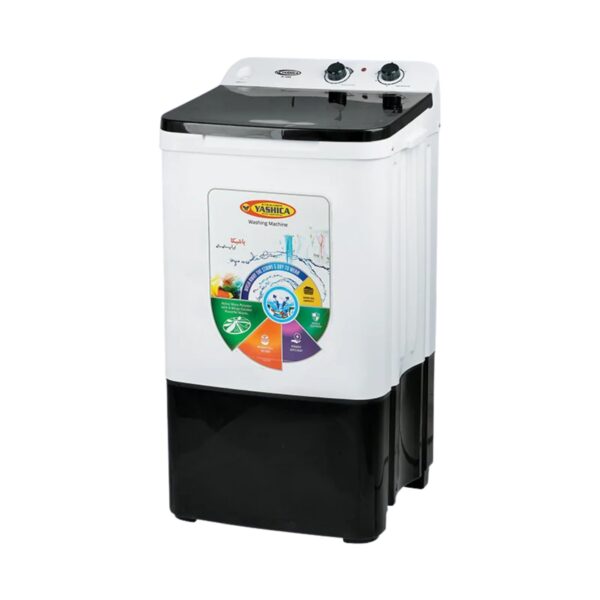
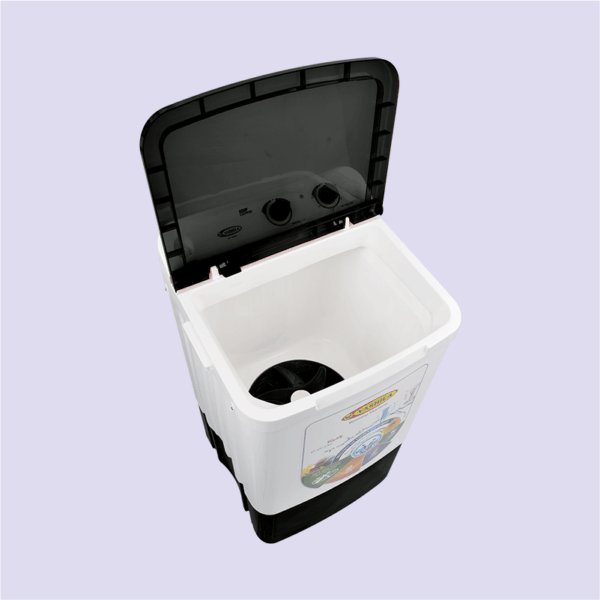
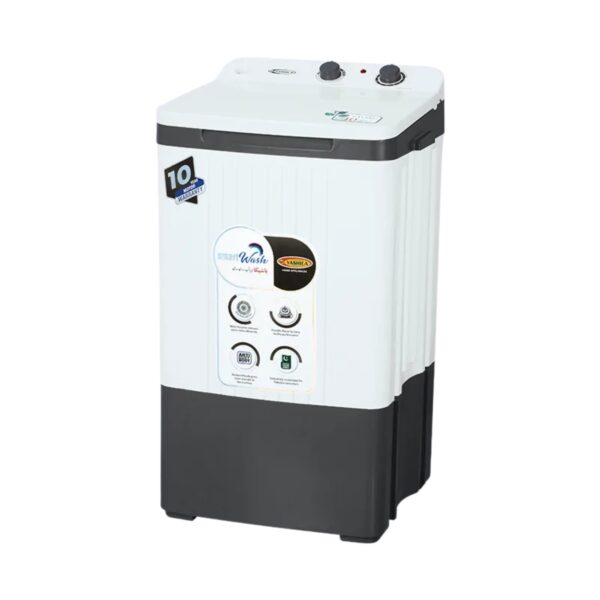
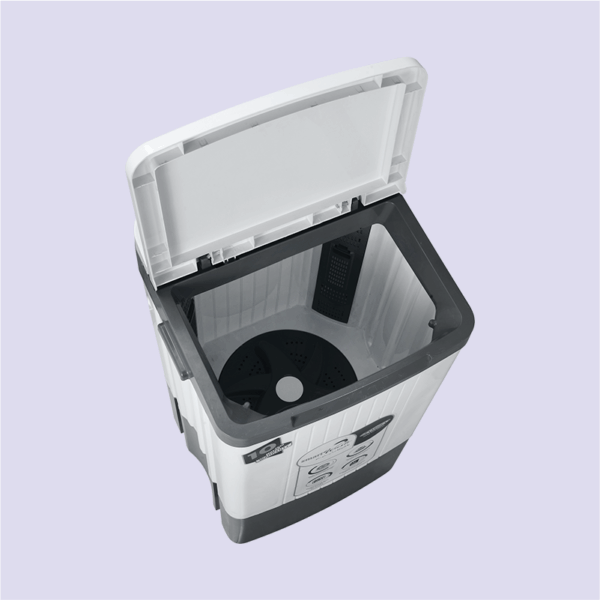
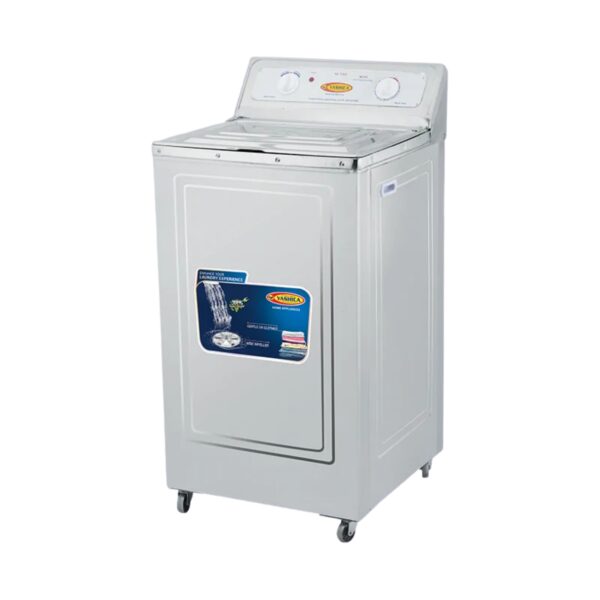
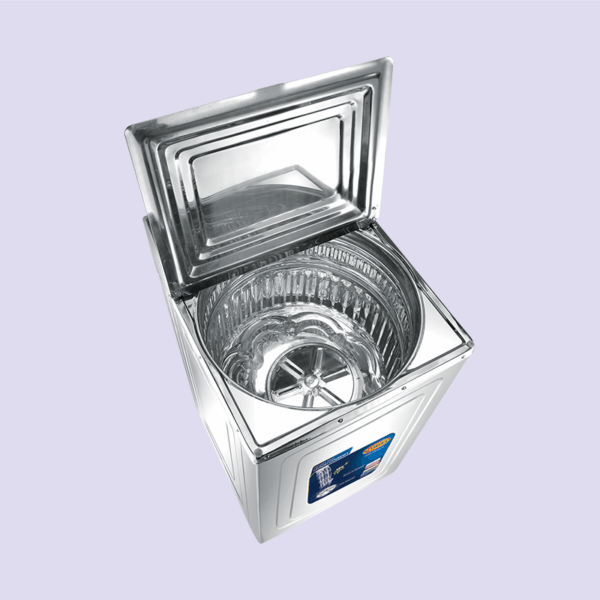
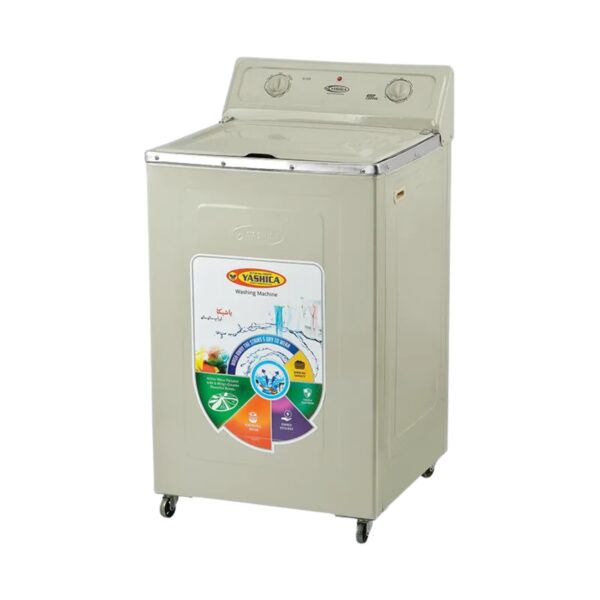
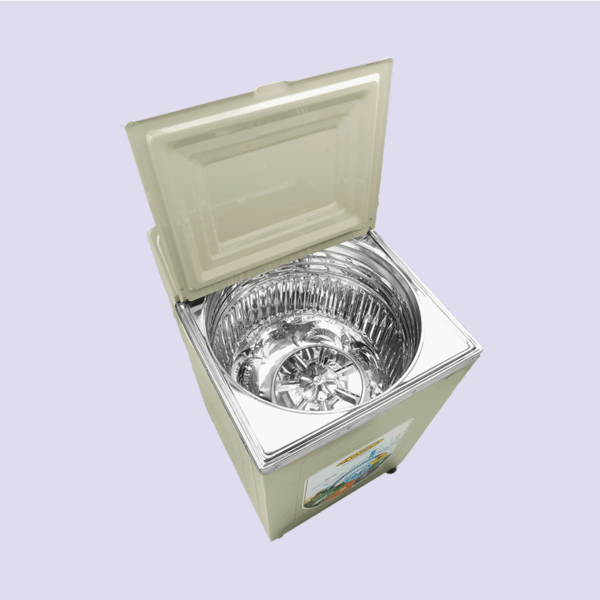
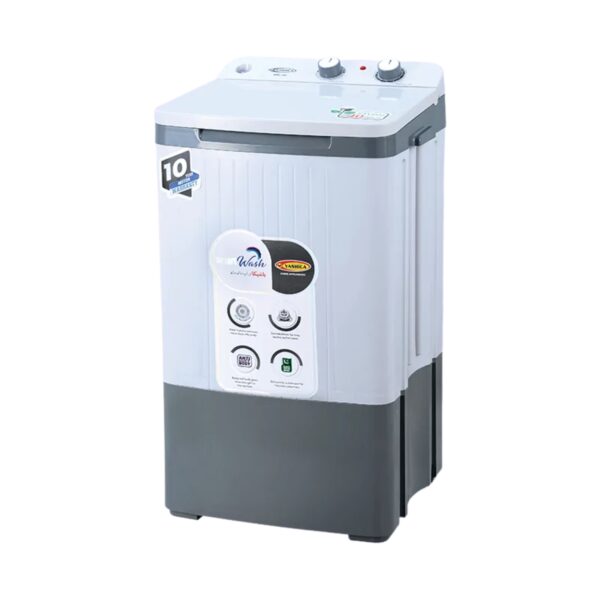
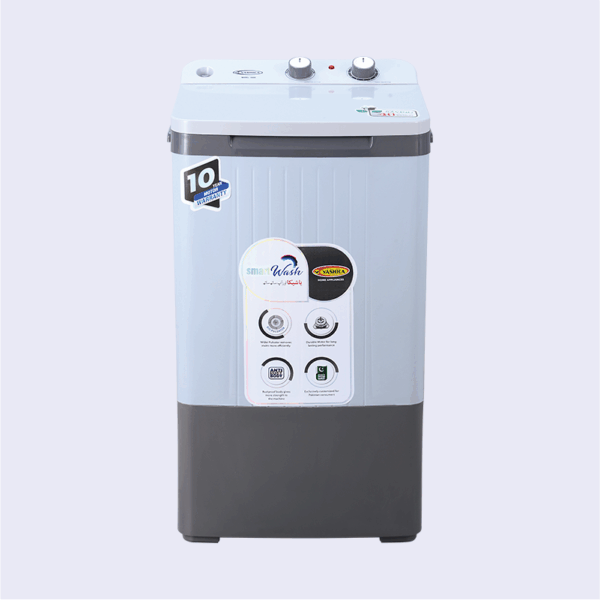
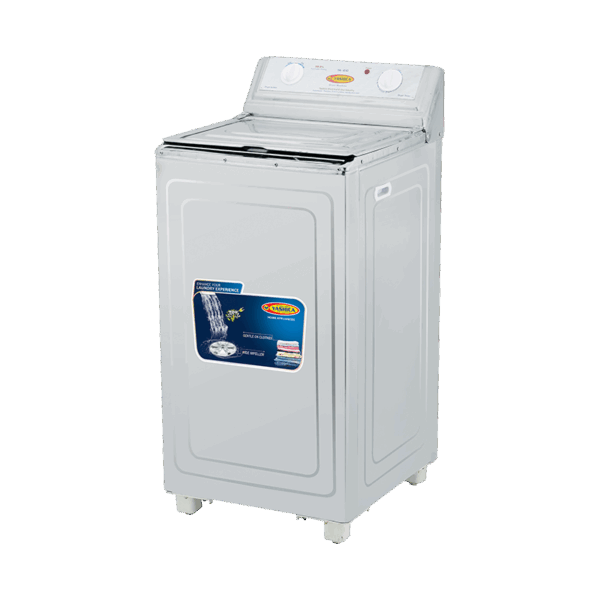
At Yashica Home Appliances, we believe that innovation should lead to affordability. Our range of washing machines is engineered with high-torque, energy-efficient motors that provide a powerful wash while maintaining a low amperage draw. By focusing on local manufacturing, we ensure our machines are optimized for the specific power conditions of Pakistani homes, providing a reliable laundry experience that respects your monthly budget.
For more information on our range of durable home appliances and expert maintenance tips, visit our official website: