Taking proper care of your laundry machine can help reduce avoidable wear, inconvenient breakdowns and unnecessary repair expenses.
For Pakistani households that wash clothes frequently, everyday habits matter. Overloading, excessive detergent, poor drainage, trapped moisture and ignored warning signs can all affect how well a washing machine continues to operate.
No maintenance routine can guarantee a fixed appliance lifespan, but correct loading, regular cleaning and timely attention to problems can help keep your machine operating according to its intended design.
This guide explains practical ways to care for a washing machine and when professional support may be necessary.
Laundry Machine Care: What Helps It Last Longer?
Good washing-machine care starts with a few basic habits:
- stay within the rated washing capacity
- use the correct amount of detergent
- remove objects from clothing pockets
- clean accessible areas regularly
- inspect visible hoses and drainage
- keep the machine stable during operation
- allow moisture to dry safely
- respond early to leaks, noise or electrical problems
- follow the instructions for your exact model
Maintenance should focus on preventing unnecessary strain rather than trying to repair internal components yourself.
Do Not Overload Your Washing Machine
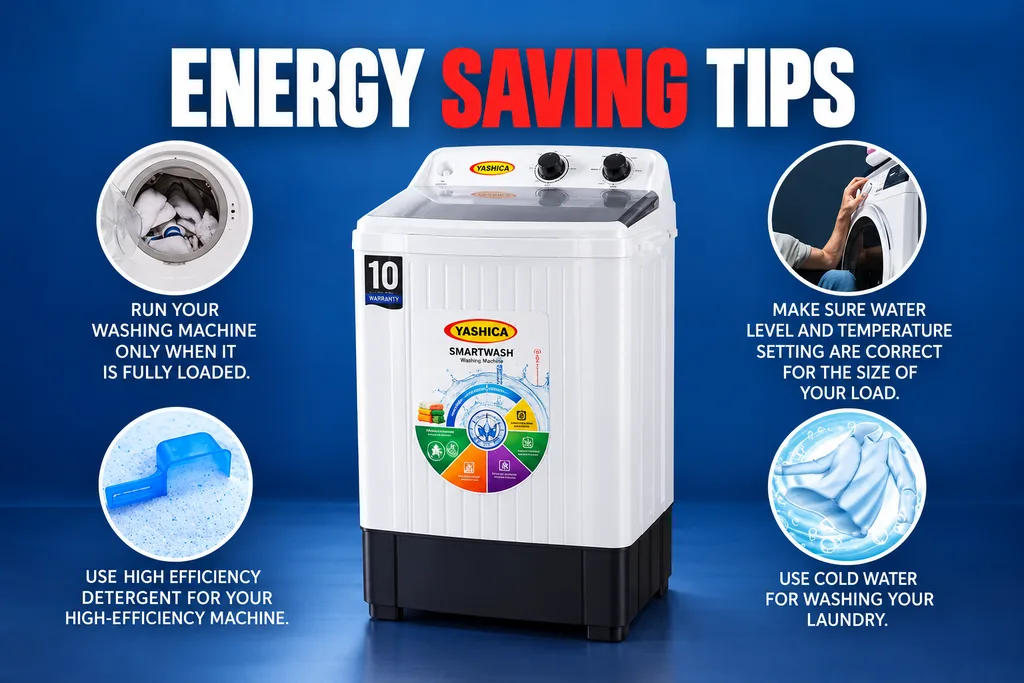
Overloading can interfere with normal washing movement and place additional strain on the appliance.
Too much laundry may contribute to:
- poor washing movement
- uneven loads
- excessive vibration
- incomplete cleaning
- repeated cycles
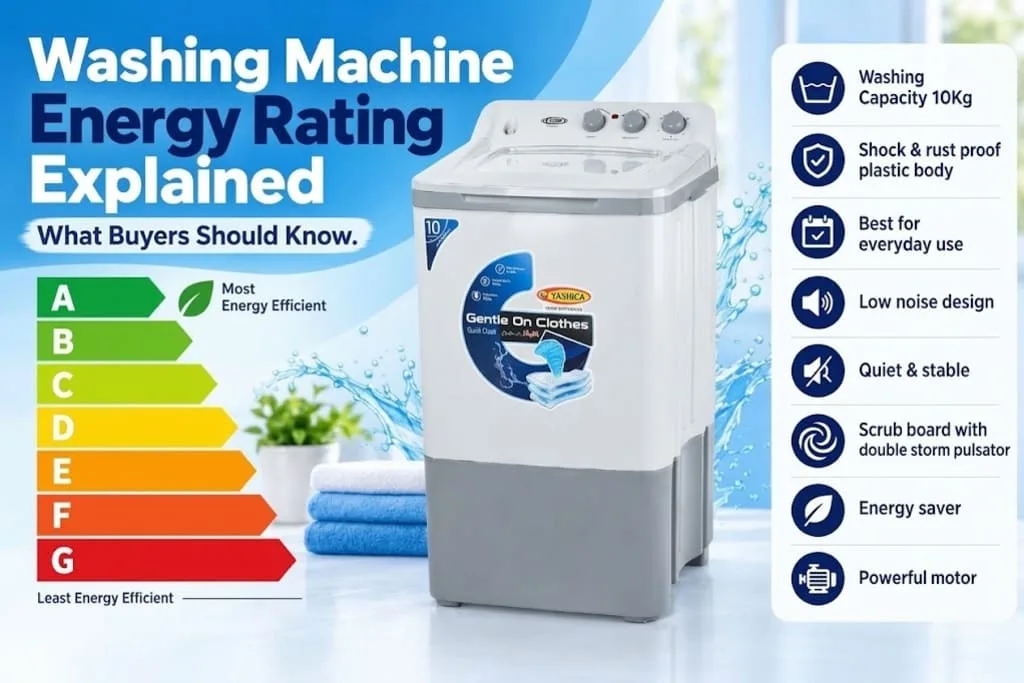
For example, the Yashica YA-1000-WM is listed with a 10kg washing capacity. Its product page also lists a plastic body and double storm pulsator.
The 10kg figure should be treated according to the manufacturer’s loading instructions rather than as permission to tightly pack the washing area.
Use the Right Amount of Detergent
More detergent does not automatically produce cleaner clothes.
Excessive detergent can contribute to:
- residue
- unnecessary foam
- buildup in accessible areas
- unpleasant smells
- additional rinsing
Use an appropriate quantity based on:
- laundry load
- detergent instructions
- fabric type
- water conditions
- washing-machine guidance
If detergent residue appears frequently, review both detergent quantity and cleaning habits.
Clean Your Washing Machine Regularly
Routine cleaning is an important part of maintaining a laundry machine.
Depending on the model, maintenance may include:
- wiping accessible washing surfaces
- cleaning approved dispensers
- removing lint from accessible filters
- checking visible drainage areas
- drying standing moisture
The existing Cleaning Washing Machine: Step-by-Step Guide recommends following model-specific instructions and avoiding the assumption that every machine supports the same chemicals or cleaning cycles.
Do not automatically use bleach, vinegar, descalers or other strong cleaning products unless they are approved for the appliance.
Remove Clothes Promptly After Washing
Wet clothing left inside the machine can keep the washing area damp for longer.
After the cycle:
- remove laundry promptly
- wipe visible standing moisture
- allow safe ventilation
- dry removable user-serviceable parts where appropriate
Trapped moisture can contribute to unpleasant odors and residue buildup.
Where children or pets are present, do not leave the machine open in a way that creates a safety risk.
Check Clothing Pockets Before Every Load
Coins, keys, clips and other small objects can cause avoidable problems.
Before washing, remove:
- coins
- keys
- pins
- hair clips
- tissues
- small accessories
Loose items can create noise, damage fabrics or contribute to drainage problems if they reach accessible washing areas.
This simple habit requires almost no extra time but can prevent unnecessary trouble.
Keep the Machine on a Stable Surface
Proper installation also affects washing-machine care.
An unstable surface may contribute to:
- strong vibration
- movement
- unusual noise
- uneven laundry distribution
Keep the appliance positioned according to its installation instructions.
Do not attempt adjustments while the machine is operating.
If vibration continues even with correctly distributed laundry and stable placement, further inspection may be required.
Inspect Visible Hoses and Drainage
Periodically check accessible water and drainage components.
Look for:
- cracks
- hose kinks
- leaks
- moisture around connections
- blocked external drainage
Do not dismantle internal pumps, water valves or electrical components during routine maintenance.
Persistent drainage problems can have several causes. The Common Washing Machine Problems guide covers drainage, leaks, vibration, noise and other safe troubleshooting checks in more detail.
Do Not Ignore Unusual Noise or Vibration
A washing machine normally produces some sound during operation.
However, new or unusually loud:
- grinding
- banging
- scraping
- repeated knocking
should be investigated.
Stop the machine safely and check:
- whether the load is uneven
- whether the machine is overloaded
- whether loose objects are visible
- whether the appliance remains stable
Yashica describes the YA-1000-WM as having a low-noise, quiet and stable design. These are manufacturer descriptions and do not mean that unusual mechanical sounds can never develop.
Protect the Electrical Connection
A laundry machine operates close to water, making electrical safety especially important.
Good habits include:
- keeping plugs and sockets dry
- unplugging by holding the plug rather than pulling the cord
- avoiding damaged extension arrangements
- using a suitable electrical supply
- stopping use if the power cord is damaged
Stop operating the washing machine and request qualified assistance if you notice:
- burning smell
- sparking
- damaged wiring
- repeated circuit-breaker trips
Do not open electrical panels or attempt internal wiring repairs without appropriate training.
Address Water Leaks Early
Even a small recurring leak should be checked.
Possible causes can include:
- visible hose connections
- damaged external hoses
- drainage problems
- excessive detergent foam
- internal faults
Make the appliance safe before inspecting accessible areas.
If water appears to come from inside the cabinet, avoid dismantling the machine yourself.
Follow a Simple Maintenance Routine
| Maintenance Task | Practical Timing |
|---|---|
| Check pockets | Before every wash |
| Remove laundry | After every cycle |
| Wipe visible moisture | As needed |
| Check detergent areas | Every few weeks |
| Clean approved washing areas | According to instructions |
| Inspect accessible filters | As recommended |
| Check hoses | Periodically |
| Monitor leaks/noise | During everyday use |
The manufacturer’s instructions should take priority where they specify a different maintenance schedule.
What Can Shorten the Life of a Washing Machine?
Common habits that may contribute to unnecessary wear include:
Repeated Overloading
Continually using loads beyond the rated capacity can interfere with normal operation.
Excess Detergent
Too much detergent may leave buildup or excessive foam.
Ignoring Drainage Problems
Slow or incomplete drainage should not be treated as normal if it keeps happening.
Leaving Wet Clothes Inside
Persistent moisture can contribute to odors and residue.
Ignoring New Noise or Vibration
A recurring symptom can indicate a loading, installation or mechanical issue.
Attempting Internal DIY Repairs
Motors, wiring, pumps and electrical components should not be opened without appropriate technical knowledge.
When Should You Contact a Technician?
Professional support may be necessary if the machine develops:
- repeated water leakage
- persistent drainage failure
- severe grinding or mechanical noise
- burning smell
- electrical sparking
- repeated breaker trips
- recurring cycle problems
Do not continue using an appliance that appears electrically unsafe.
Yashica customers can use the Yashica Contact Page for current support information. The live page provides Gujranwala contact details and customer-support channels.
Frequently Asked Questions
How can I make my laundry machine last longer?
Avoid overloading, use suitable detergent quantities, clean approved areas regularly, maintain proper drainage and respond early to leaks, unusual noises or electrical problems.
How often should I clean a washing machine?
Cleaning frequency depends on usage and the model. Follow the manufacturer’s guidance for the washing area, filters, dispensers and other user-serviceable components.
Can overloading reduce washing machine life?
Repeated overloading can interfere with normal operation and place additional strain on the washing mechanism. Stay within the rated capacity and loading instructions.
Can too much detergent damage a washing machine?
Excess detergent can contribute to foam and residue buildup. Use the amount recommended for the detergent, load and appliance.
Should I leave my laundry machine open after washing?
Safe ventilation can help moisture dry, but follow the appliance instructions and consider child and pet safety.
When does a washing machine need professional servicing?
Seek qualified help for persistent leaks, severe mechanical noise, repeated drainage failures, electrical sparking, burning smells or recurring breaker trips.
Keep Your Laundry Machine in Better Condition
The best way to help a laundry machine continue working properly is to reduce avoidable strain and deal with problems early.
Use suitable laundry loads, check pockets, measure detergent correctly, maintain accessible areas, keep drainage clear and pay attention to unusual symptoms.
These steps cannot guarantee a specific lifespan, but they can support more consistent appliance operation and reduce problems caused by poor use or neglected maintenance.
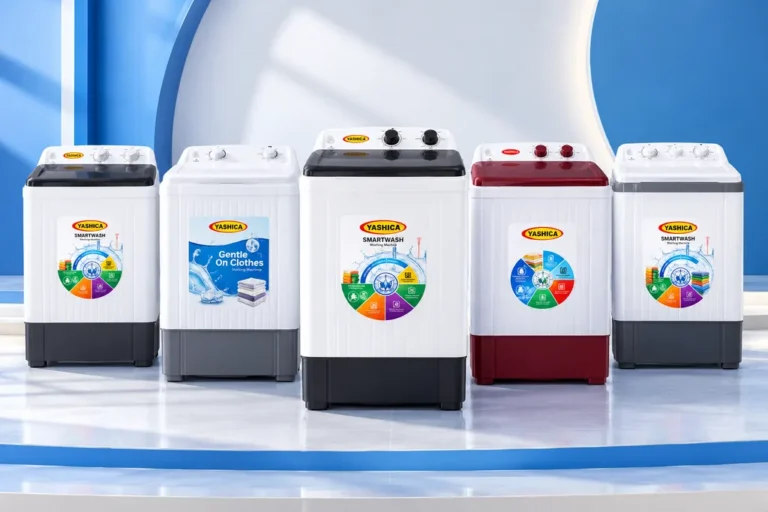
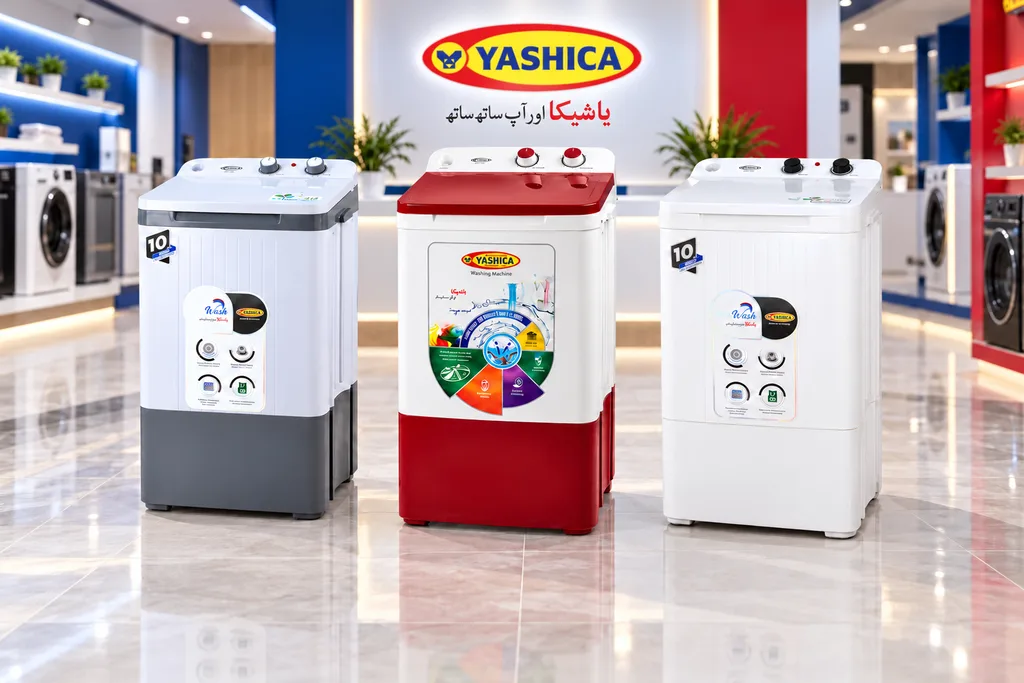
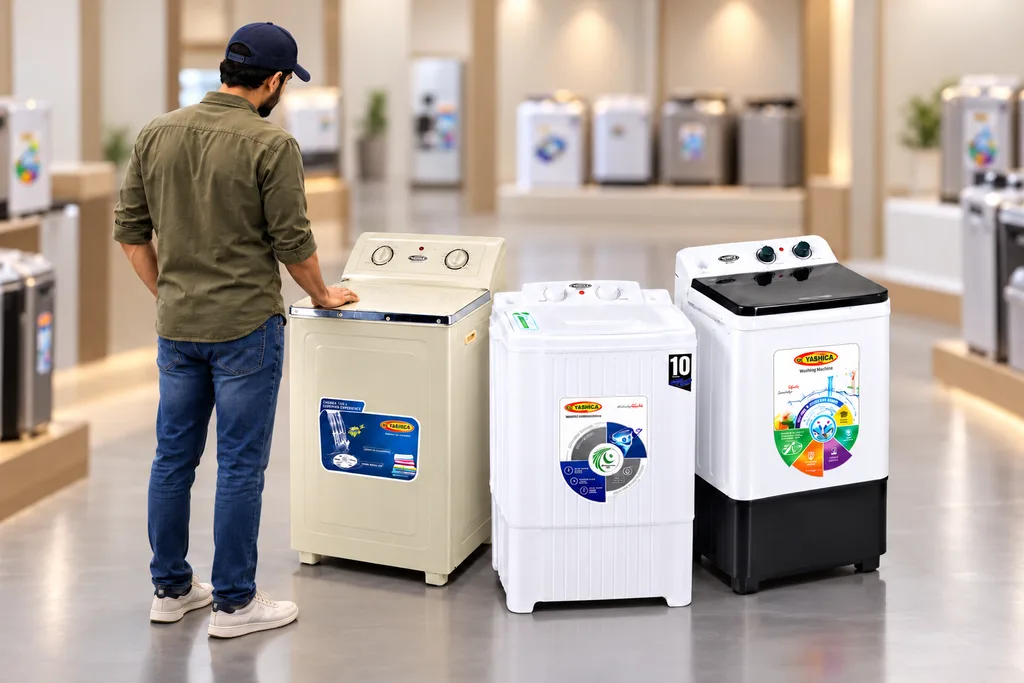
If your existing machine no longer suits your household needs, browse the Yashica Washing Machine Collection to compare currently listed models and capacities. The live category currently lists 14 washing-machine products.
Need support with an existing Yashica washing machine? Use the Yashica Contact Page to reach the current customer-support team.
Editorial Verification: Recheck product information, maintenance guidance, support details, stock and all internal links against the official Yashica website before publication. Do not promise a specific washing-machine lifespan or claim that maintenance prevents every mechanical failure.