






Before Buying a Washing Machine: Fully Automatic vs Semi-Automatic – Which is Best?
Before Buying a Washing Machine: Fully Automatic vs Semi-Automatic – Which is Best?
Acquiring a new washing machine is a significant long-term investment that affects not only your weekly routine but also your utility bills. The critical choice often boils down to a Fully Automatic versus a Semi-Automatic model. This detailed guide analyzes both options, incorporating factors vital for top search engine ranking, such as energy efficiency and long-term value, to help you make an optimal decision.
Semi-Automatic: The Budget-Conscious and Water-Saving Choice
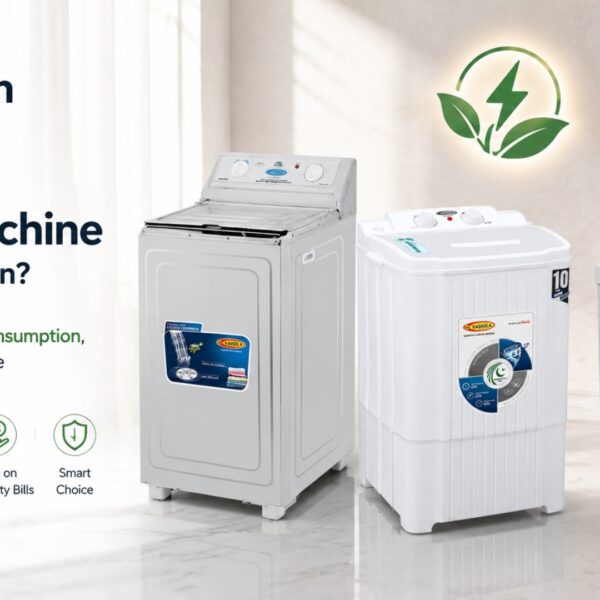
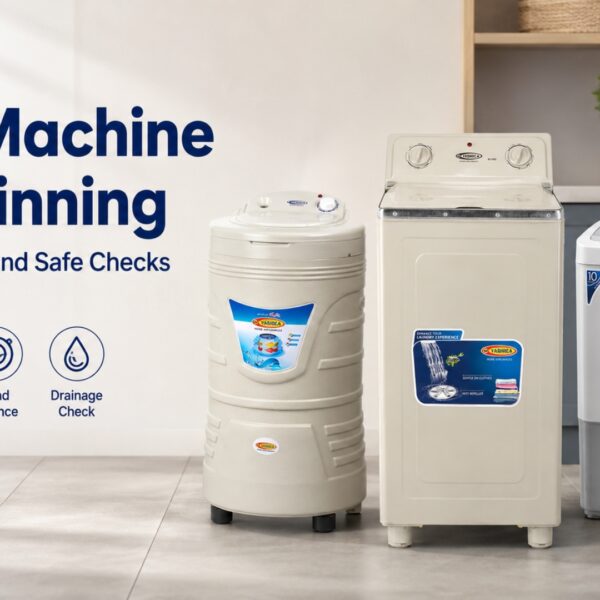
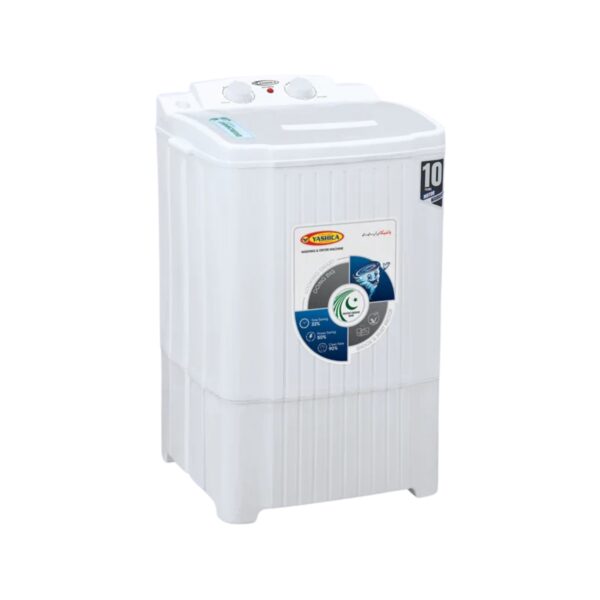
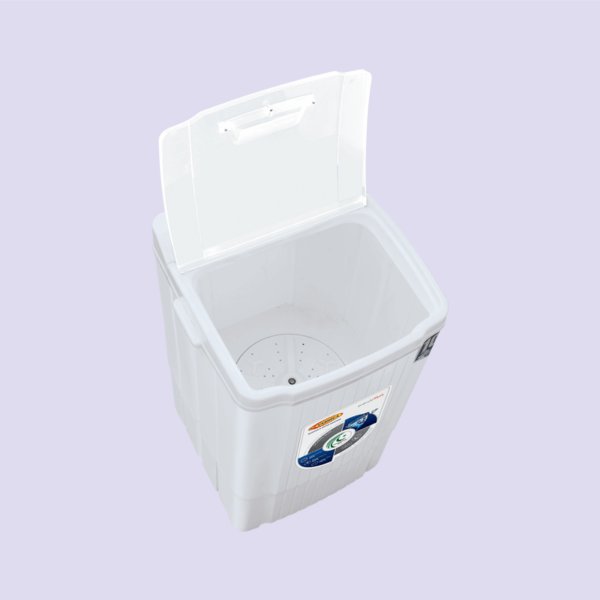
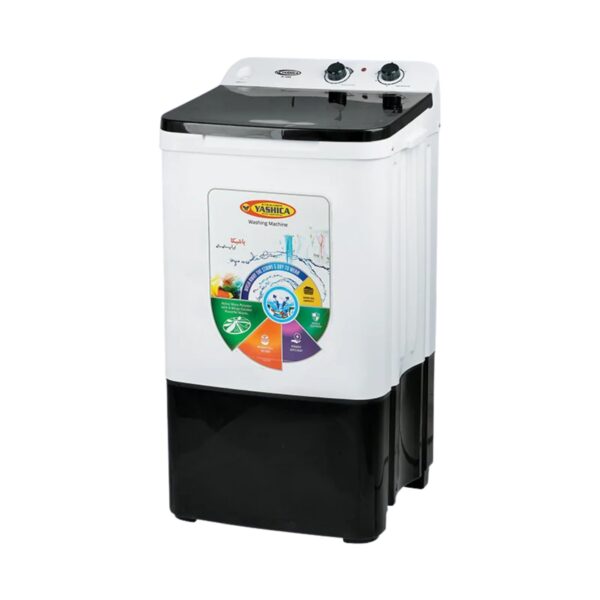
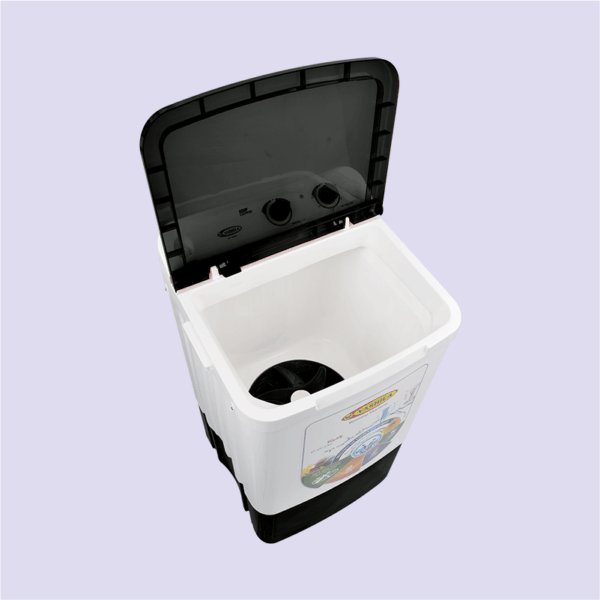
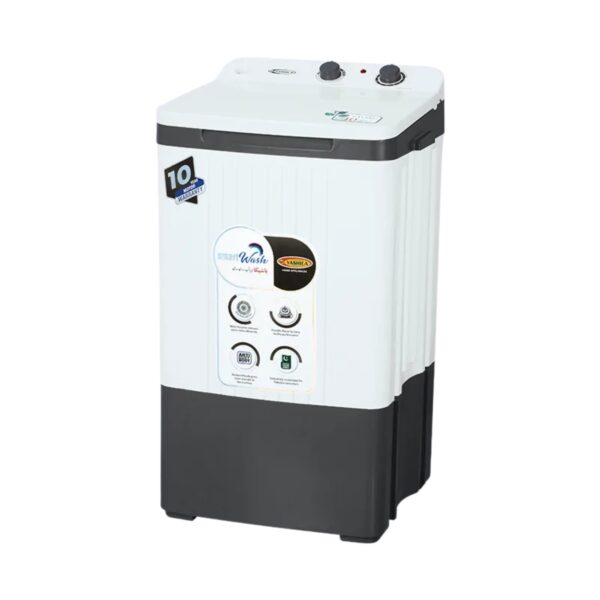
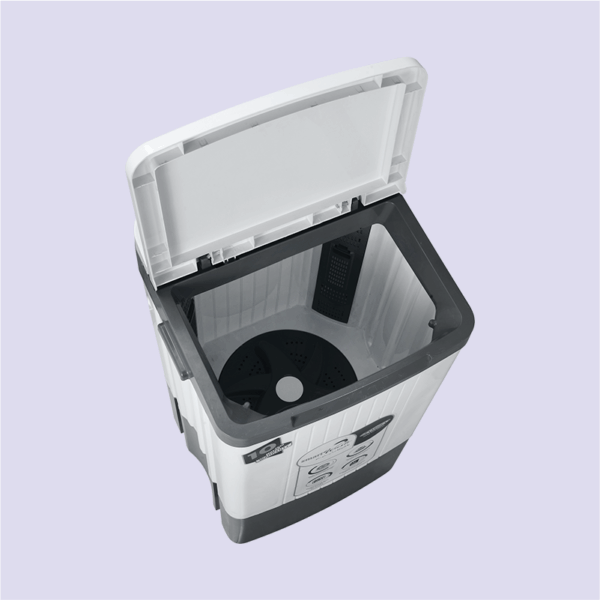
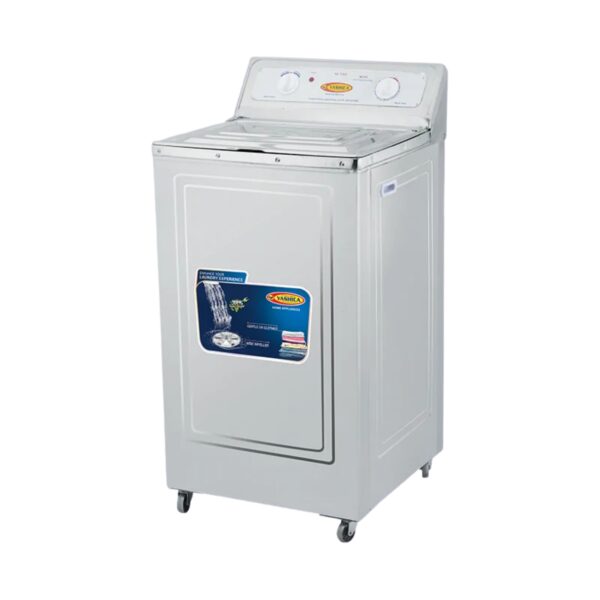
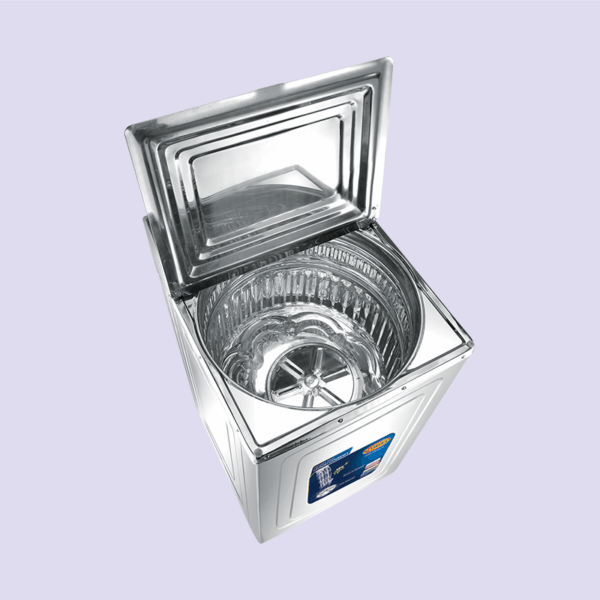
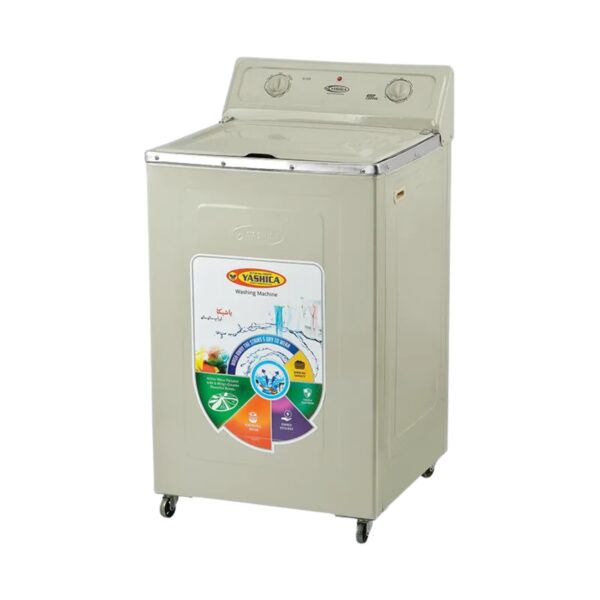
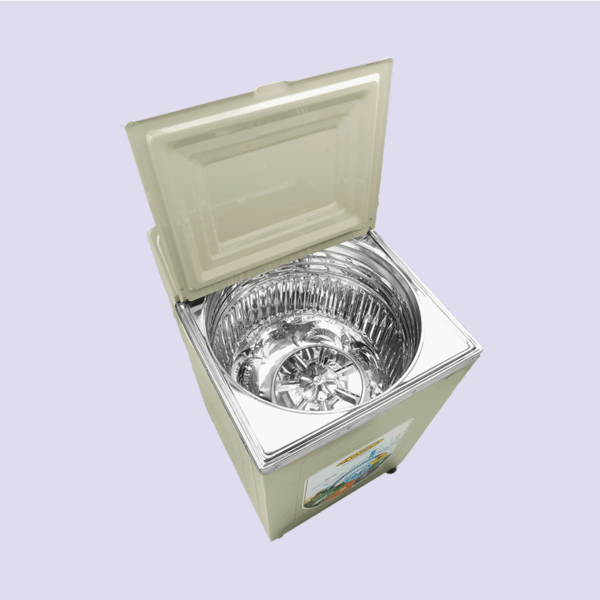
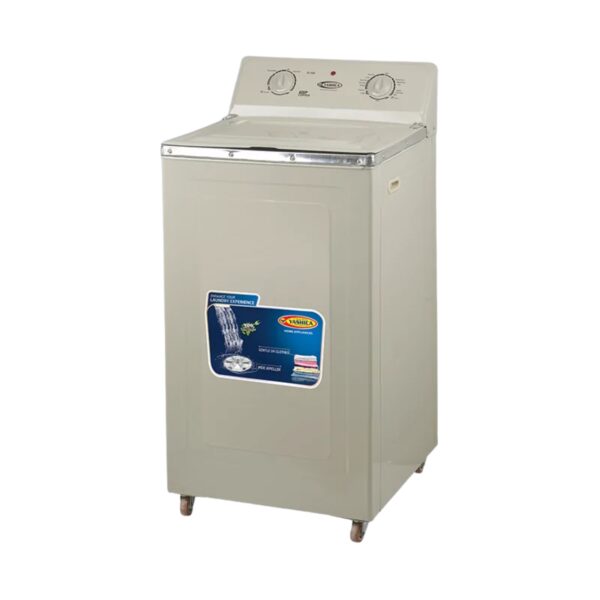
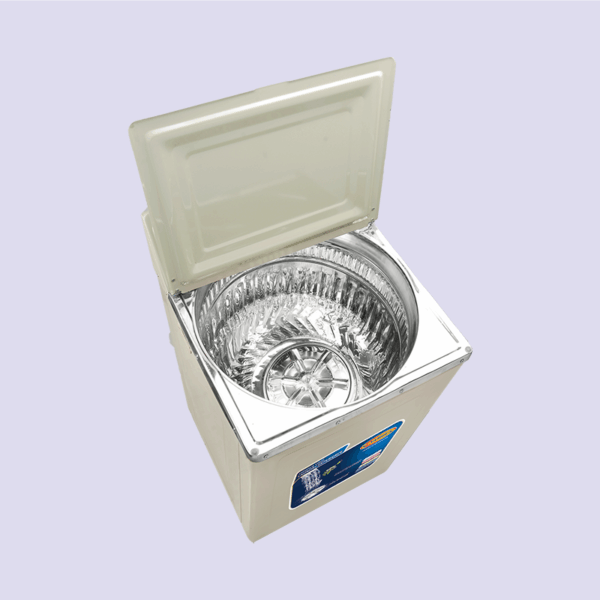
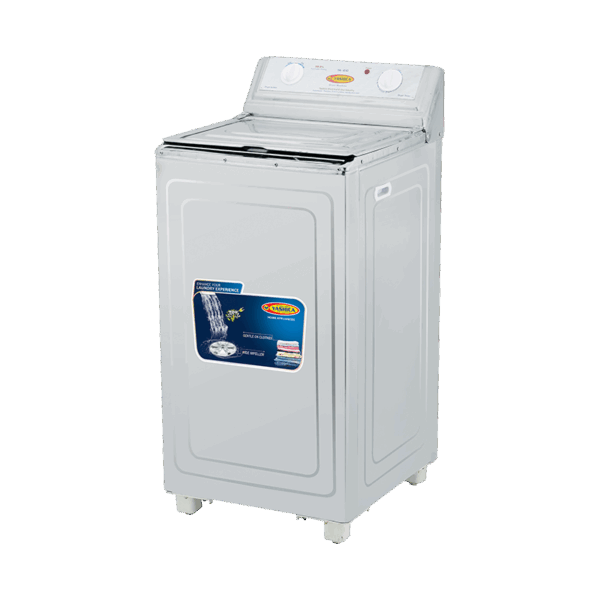
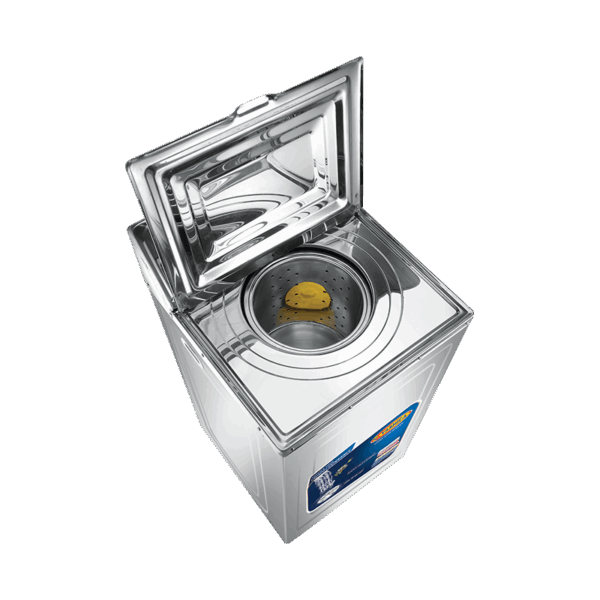
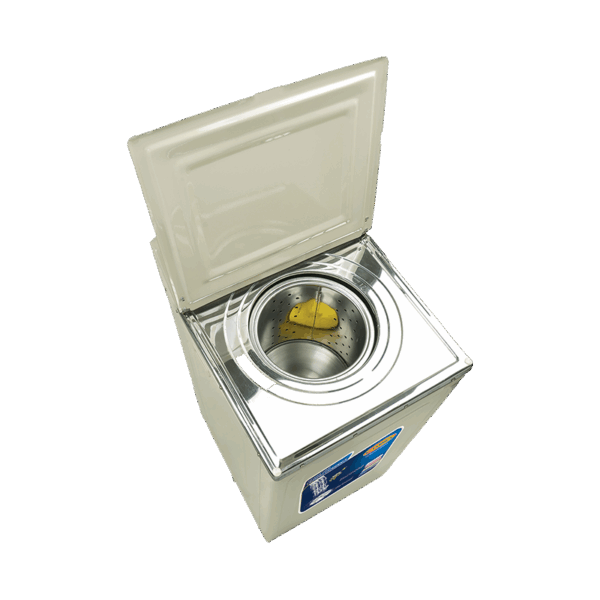
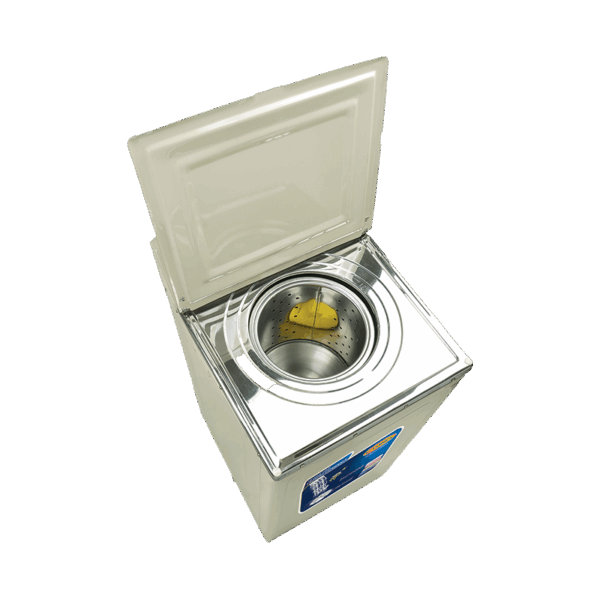
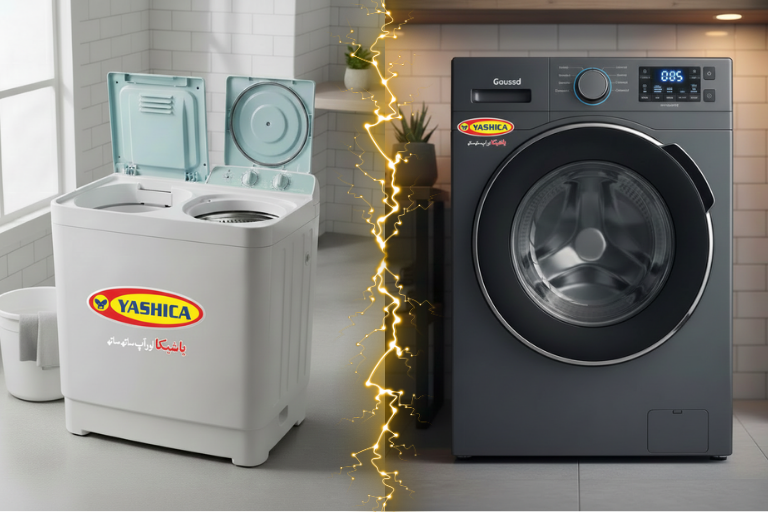
Semi-automatic machines feature a dual-tub design—one for washing and rinsing, and the other for spin-drying.
Advantages
- Cost Efficiency: The initial purchase price is significantly lower, making them accessible to consumers with a tighter budget.
- Water Control: The user manually fills the water, providing direct control over consumption, which is crucial in areas facing water scarcity.
- Low Energy Use: Generally, these machines use simpler, less powerful motors and shorter operating cycles, often resulting in lower electricity consumption compared to non-inverter automatic models.
- Mobility: Being lightweight and often mounted on wheels, they are easy to move, ideal for renters or shifting within the home.
- Flexibility: The wash cycle can be paused and interrupted easily to add forgotten clothes.
Disadvantages
- Manual Effort: Requires the user to manually transfer clothes between the wash and spin tubs.
- Time Commitment: The process demands user attention, making the overall laundry time longer.
- Drying Speed: The spin speed (RPM) is usually lower than fully automatic models, meaning clothes take longer to air dry.
- Spatial Requirement: The dual-tub structure occupies a larger footprint.

Fully Automatic: Convenience, Features, and Advanced Technology
Fully automatic machines operate in a single drum, handling the wash, rinse, and spin processes autonomously. They come in Top-Load and Front-Load variants.
Advantages
- Unmatched Convenience: Provides a completely hands-free laundry experience. Load clothes, press a program, and the machine manages the rest.
- Superior Cleaning: Front-Load models, in particular, deliver excellent cleaning performance while being gentle on fabrics due to their advanced tumbling action.
- Specialized Programs: Includes a range of cycles (e.g., Quick Wash, Delicate, Anti-Allergen, built-in Heater) optimized for specific fabric types and cleaning needs.
- Faster Drying: High spin speeds efficiently extract water, reducing the time needed for clothes to dry completely.
- Inverter Technology: Modern automatic machines feature Inverter motors, which adjust power usage based on the load, leading to significant long-term energy savings.
Disadvantages
- Higher Initial Cost: The investment is substantial, particularly for premium Front-Load models.
- Water Consumption (Top-Load): Conventional automatic Top-Loaders tend to use more water than semi-automatic units.
- Repair Expense: Complex electronics and components lead to higher repair and maintenance costs.
- Cycle Lock: Interrupting the cycle to add clothes is often difficult or impossible, especially once the water level is set or the door is locked.

Extra SEO Boost: Essential Factors for Top Ranking
To ensure this article ranks highly, include these detailed purchasing considerations:
- Capacity Selection: Choosing the correct drum capacity prevents energy and water waste. For a small family (2-3 members), a 6-7 kg capacity is sufficient. Larger families (5+ members) require 8 kg or more.
- The Inverter Advantage: Always prioritize models with Inverter Technology. This feature intelligently controls the motor speed, potentially reducing electricity consumption by 30-40% over the lifespan of the appliance.
- Drum Durability: Look for machines with a Stainless Steel Drum. These are more durable, hygienic, and offer a longer machine life compared to plastic drums.
- Water Pressure Requirements: Automatic machines require consistent water pressure for proper function, a crucial point for consumers in areas with low municipal water supply.
The Ultimate Question: Determining Your Best Match
| Decision Factor | Choose Semi-Automatic If… | Choose Fully Automatic If… |
|---|---|---|
| Budget | Initial cost is the primary concern. | Time savings and long-term feature benefits justify a higher price. |
| Water Supply | Water conservation or low water pressure is a major concern. | Water supply is consistent, and maximum automation is desired. |
| Effort | Willingness to perform minor manual tasks (transferring clothes). | A completely hands-off, automated laundry solution is mandatory. |
| Technology | Basic, reliable washing is sufficient. | Advanced features (Inverter, specific wash cycles) are needed. |
Final Thoughts
Whether you opt for the efficiency and control of a Semi-Automatic or the advanced convenience of a Fully Automatic machine, prioritizing the correct capacity and Inverter Technology will ensure you make a smart, long-lasting investment.
Yashica offers a robust selection of machines to fit every family and budget.
To explore the full range of Yashica Washing Machine Models, click here:
Explore Yashica Washing Machines