






How to Clean Blocked Gas Stove Burner Holes Safely
Blocked burner holes can create an uneven flame, delayed ignition, soot or a burner that lights only on one side. Cleaning should remove loose food and grease without enlarging the ports or disturbing the central gas injector. Sharp metal needles can permanently change the opening and should not be used.
This guide applies to user-removable surface burner caps and rings only. It does not cover internal valves, injectors, gas pipes or oven burners.
Gas safety: If you smell gas, hear an unexplained hiss, see a damaged hose or notice a flame that remains unstable after basic cleaning, turn all burner knobs off, close the gas supply when it is safe to do so, ventilate the area and call a qualified gas technician. Do not operate electrical switches, create a flame or attempt an internal repair in a gas-filled room.
Signs of a blocked gas burner
- Some flame ports remain unlit.
- The flame is taller on one side.
- Ignition takes longer than normal.
- A popping sound occurs after lighting.
- Cookware develops soot.
- The flame goes out at a low setting.
Low gas pressure, incorrect fuel configuration and damaged components can create similar symptoms. Cleaning is only the first external check.
What you need
- Soft nylon brush or clean toothbrush
- Mild dish soap
- Warm water for removable parts
- Soft cloth
- Wooden toothpick only if the manual allows it
- Dry towel and adequate air-drying time
Avoid sewing needles, safety pins, drill bits, steel wire, compressed flame and caustic cleaners.
Step 1: shut down and cool the appliance
- Turn every burner knob to off.
- Close the gas supply.
- Allow the appliance and trivets to cool fully.
- Remove the ignition battery if the manual recommends it for cleaning.
Step 2: remove only user-removable parts
Lift the pan trivet, burner cap and burner ring only when they are designed to come off without tools. Photograph their position first so each part returns to the correct burner.
Step 3: brush away loose residue
Use a dry soft brush over the burner ports. Work outward so crumbs do not fall toward the injector. Do not push a tool deep into the gas passage.
Step 4: wash removable burner parts
If the manual permits washing, soak only the removed metal cap or ring briefly in mild soapy water. Brush gently, rinse and dry. Do not pour water into the stove body or ignition electrode area.
Step 5: clear individual ports carefully
A wooden toothpick may remove soft residue from a visible burner port when the manual allows it, but it can break. Never use a metal needle to widen a hole. The small central injector is not a cleaning hole for the homeowner.
Step 6: dry completely
Moisture can block ignition and cause rust on cast-iron parts. Dry with a cloth and leave the components in moving air until no water remains.
Step 7: reassemble correctly
Place the burner ring and cap flat in their original position. A tilted cap can produce an uneven flame even when the holes are clean.
Step 8: test briefly and observe
Open the gas supply only after full reassembly and ventilation. Ignite the burner normally. The flame should form an even ring and respond to the knob. Turn it off immediately if gas is smelled, ignition is delayed or the flame remains abnormal.
Cleaning different Yashica burner types
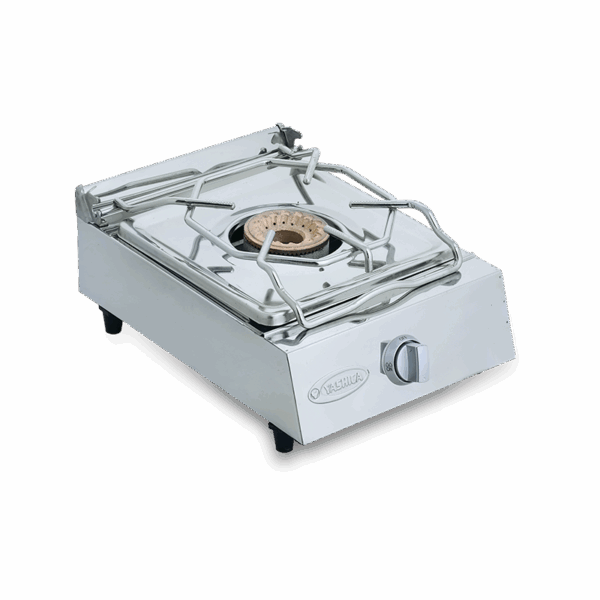
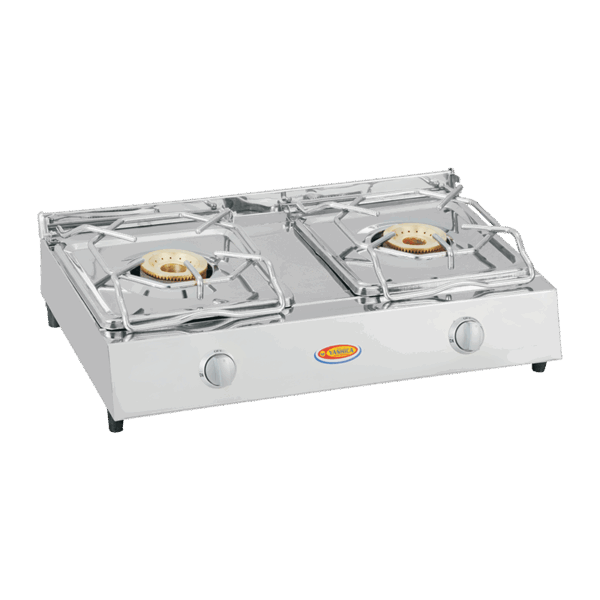
Yashica built-in hobs such as the YA-186 list brass burners and cast-iron pan trivets. Tabletop models such as the YA-707 list a heavy cast-iron burner. Both require gentle cleaning, but cast-iron parts need especially thorough drying.
Do not confuse burner ports with the injector
The visible ring holes distribute the flame. The injector or orifice meters gas into the burner and is normally inside the appliance. Cleaning or changing the injector requires a qualified technician.
When cleaning does not solve the problem
- The flame is still yellow and sooty.
- The burner lights with a bang.
- The flame lifts from the ports.
- Only part of the ring lights after correct reassembly.
- The valve is stiff or loose.
- There is a gas smell when the appliance is off.
Stop using the burner and request service through the Yashica contact page.
Preventing blocked burner holes
- Use lids to reduce boiling-over.
- Clean milk and oil spills after cooling.
- Do not line the top in a way that blocks air or burner seating.
- Keep burner parts dry before use.
- Check cap alignment after every deep clean.
- Use cookware that remains stable on the trivet.
Identify the exact appliance through the Yashica gas stove category, built-in hob category or cooking range range before following model-specific instructions.
Frequently asked questions
Can I clean burner holes with a needle?
No. A metal needle can enlarge or damage the ports and change the flame pattern.
Can I soak the complete burner assembly?
Only removable parts approved for washing should be soaked. Never flood the stove body.
Why is the flame uneven after cleaning?
The burner cap may be wet or misaligned, or the problem may involve gas pressure or an internal part.
Why does a cleaned burner click but not light?
Moisture may remain near the electrode or the cap may not be seated correctly.
Can I clean the gas injector myself?
No. Injector work should be performed by a qualified gas technician.
Where can I get product-specific advice?
Use the official product page, Yashica FAQs or contact support.
Conclusion
Clean blocked burner ports only after shutting off gas and cooling the appliance. Use a soft brush, wash approved removable parts and dry them fully. Never enlarge holes or work on the injector. An abnormal flame after cleaning needs professional inspection.