






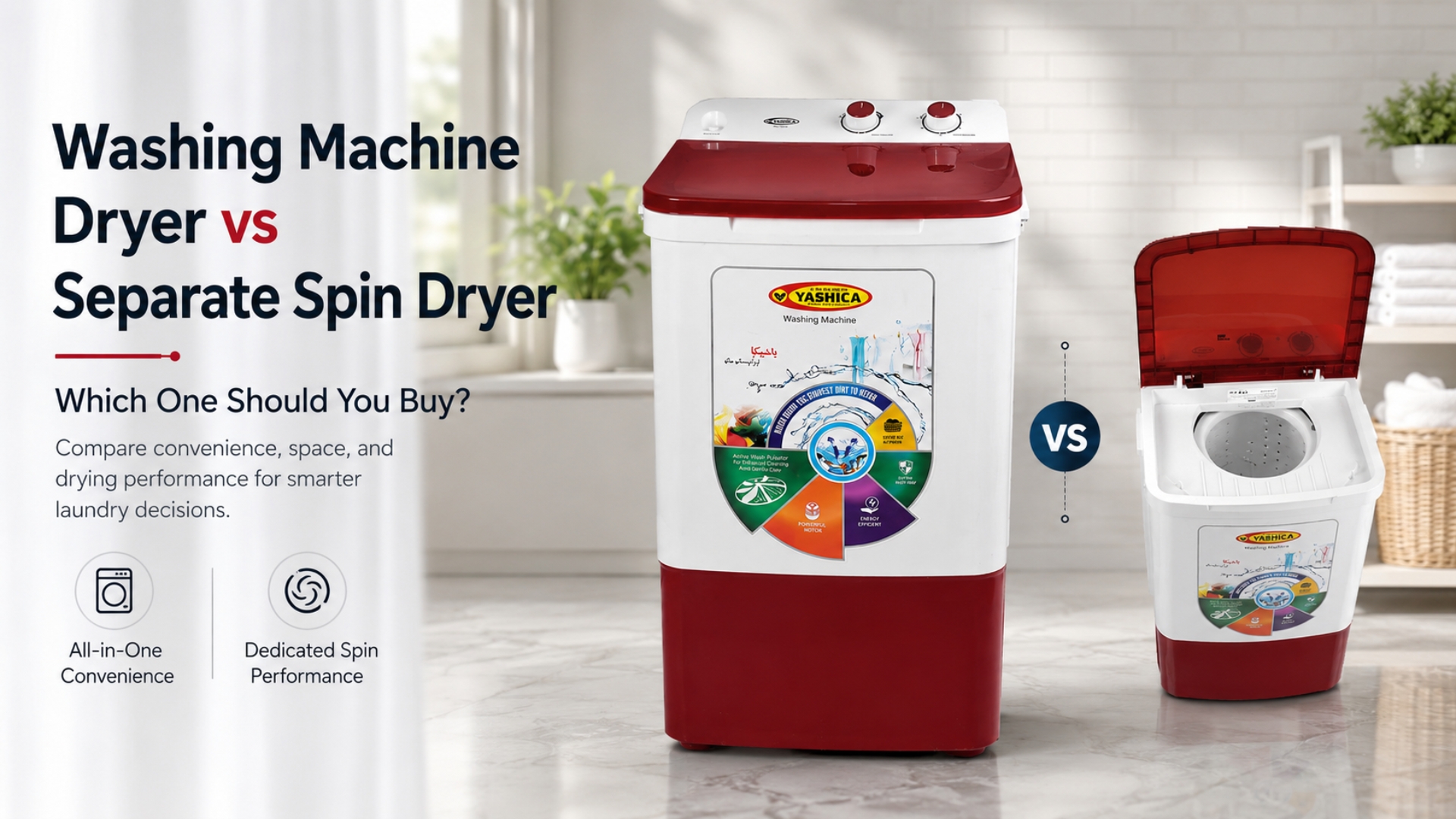
Washing Machine Dryer vs Separate Spin Dryer: Which One Should You Buy?
Many Pakistani buyers use the terms washing machine dryer, spinner and spin dryer interchangeably. This creates confusion at the time of purchase. A washing machine with a spin function handles washing and water extraction within one appliance or a twin-tub setup. A separate spin dryer is a dedicated appliance used after washing to remove more water from clothes.
The better choice depends on space, family size, laundry frequency, water pressure, electricity conditions and how quickly clothes must be ready for line drying. This guide compares both options without assuming that one solution is right for every home.
What is a washing machine dryer or spin function?
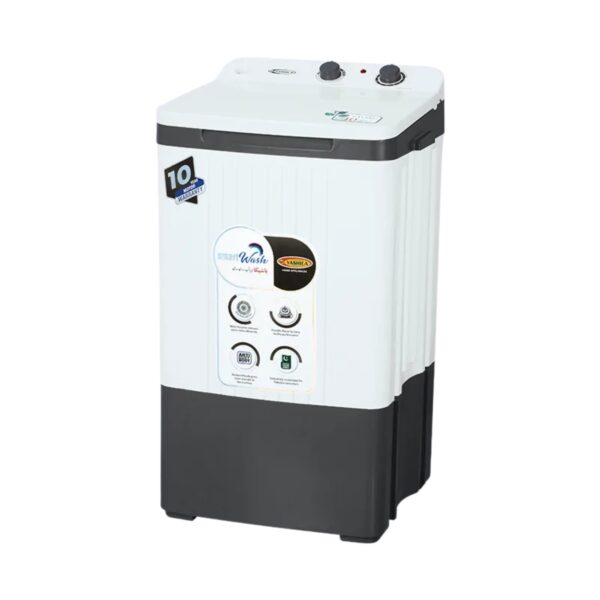
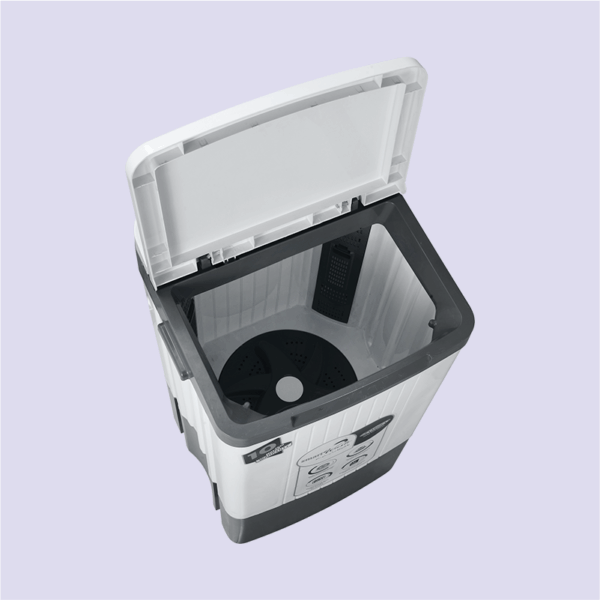
In a semi-automatic twin-tub machine, clothes are moved from the wash tub to a separate spinner. In many automatic machines, the same drum washes, rinses and spins. The main advantage is convenience because one appliance manages most of the laundry process.
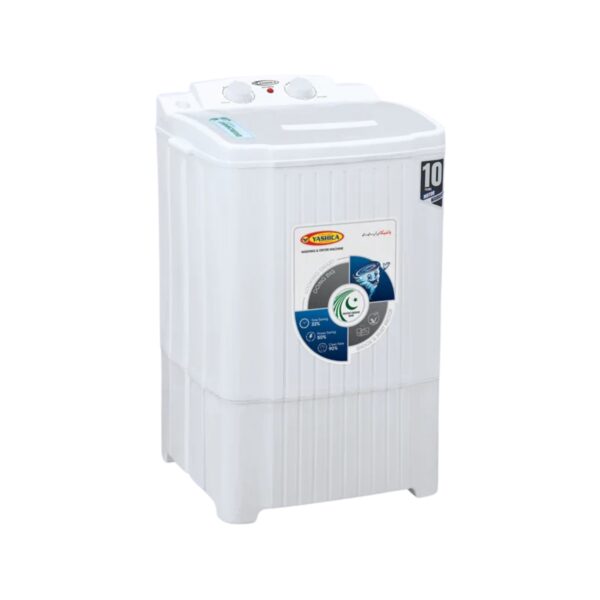
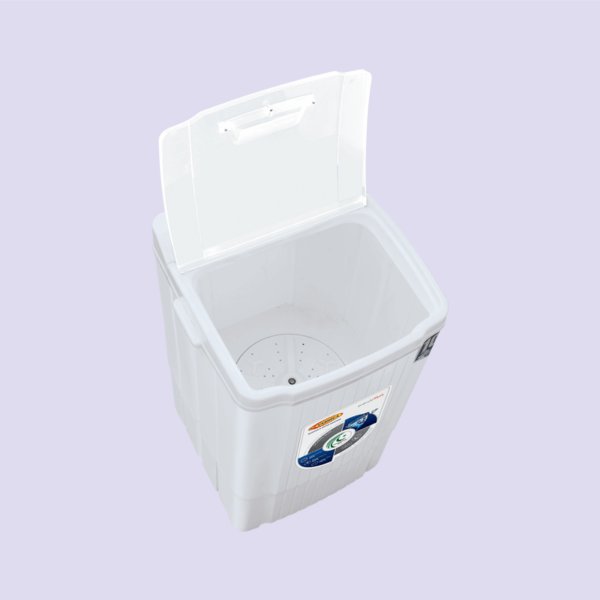
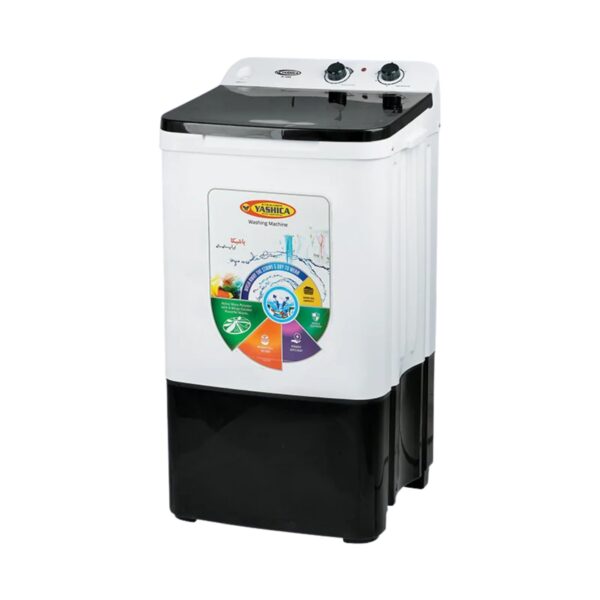
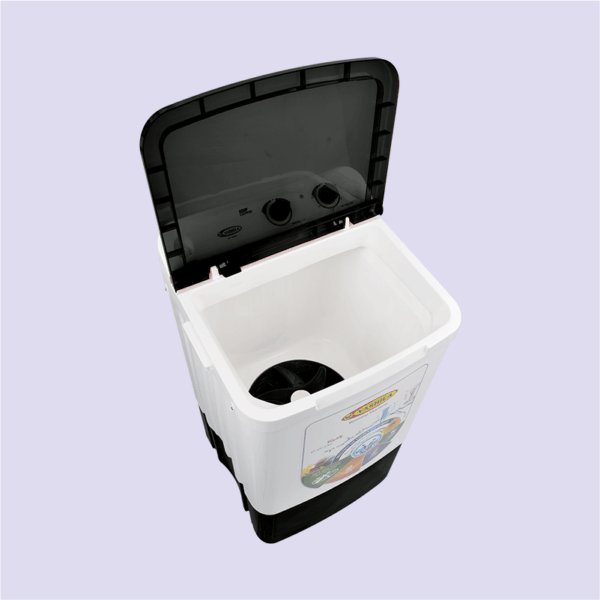
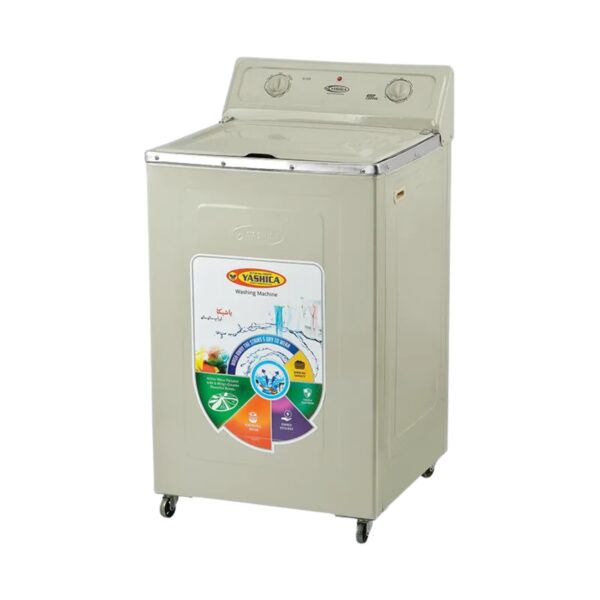
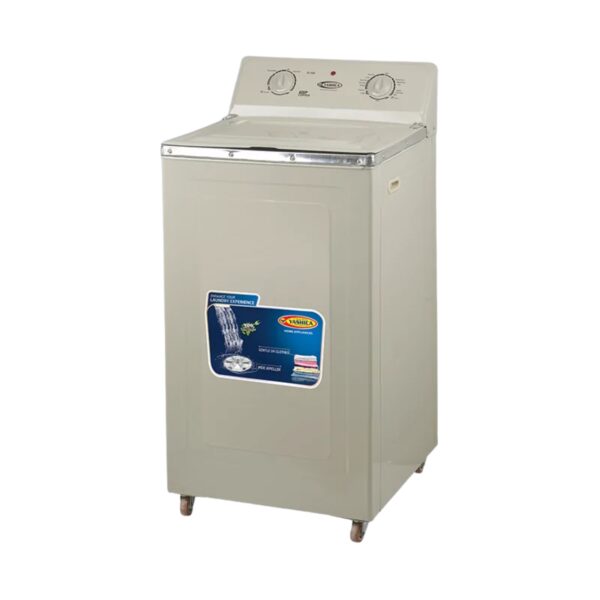
Before choosing a washer, review the current Yashica washing machine range and compare the verified washing capacity and body type stated on each product page. Do not assume that washing capacity and spin capacity are identical.
What is a separate spin dryer?
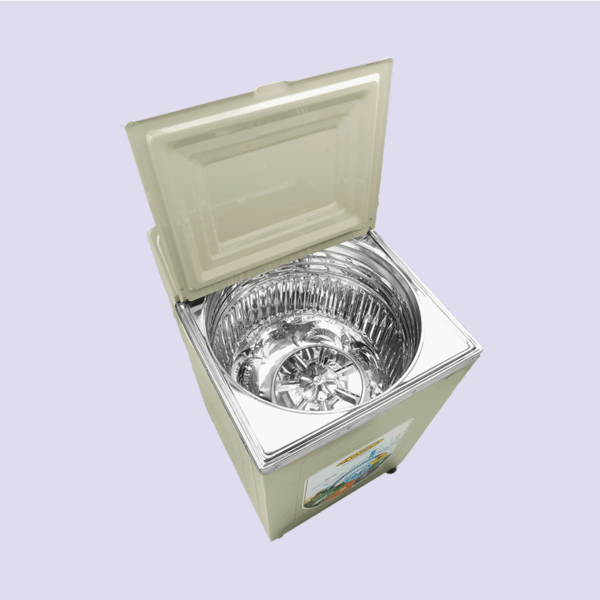
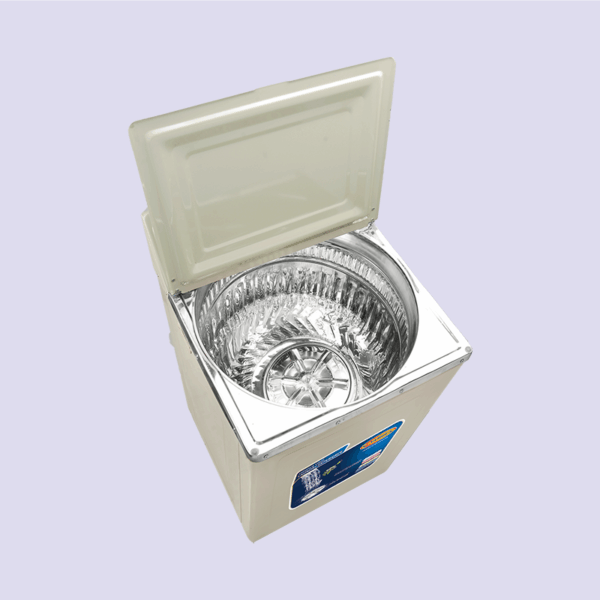
A separate spin dryer is dedicated to removing water through high-speed rotation. It does not normally wash clothes. It can be useful when a household hand-washes clothes, uses a single-tub washer, needs a second spinner during busy laundry days or wants faster water extraction during humid weather.
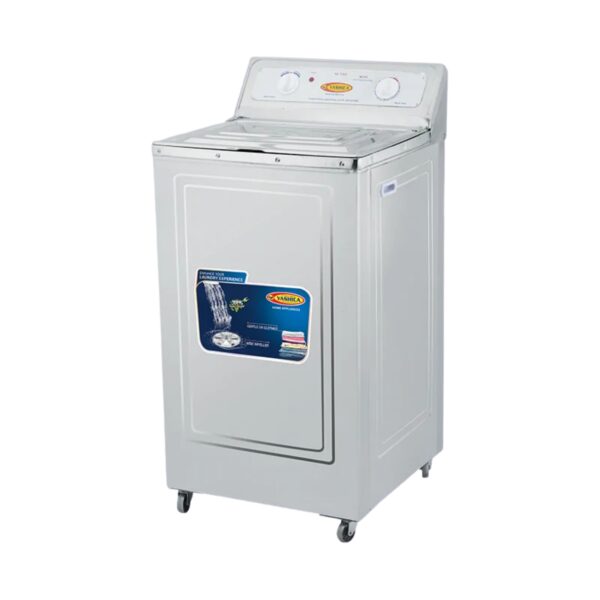
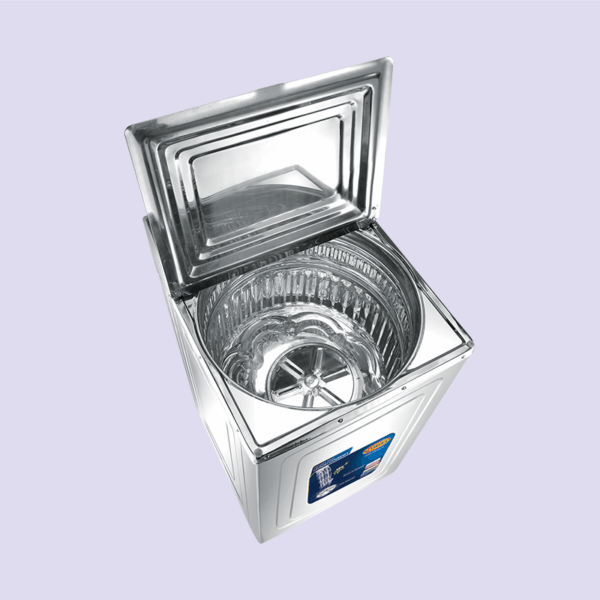
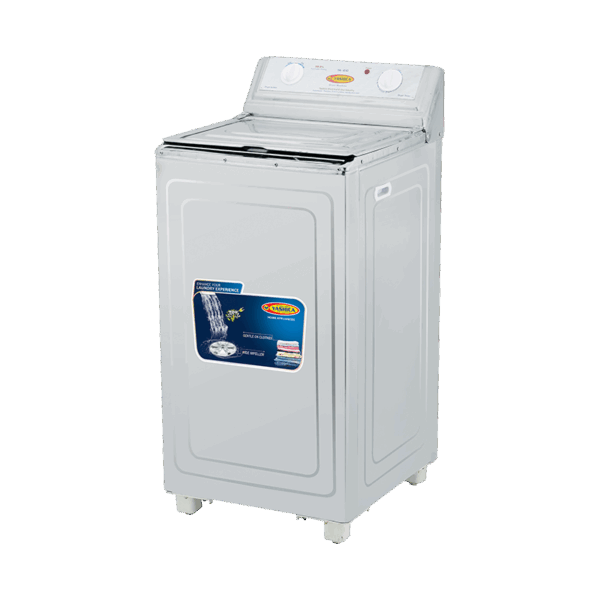
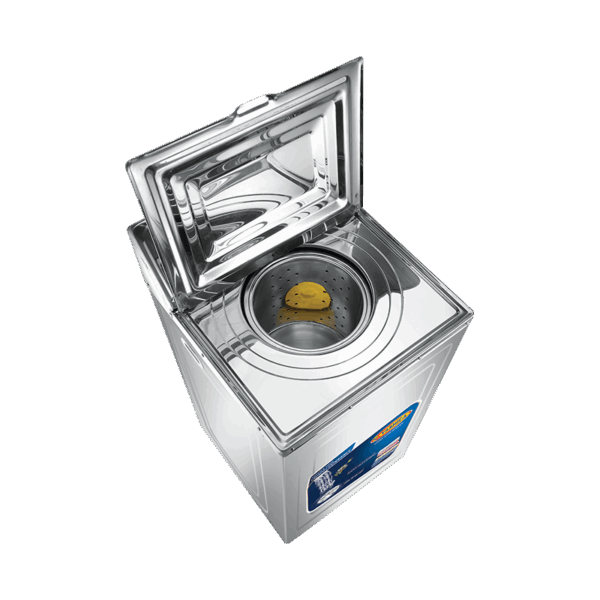
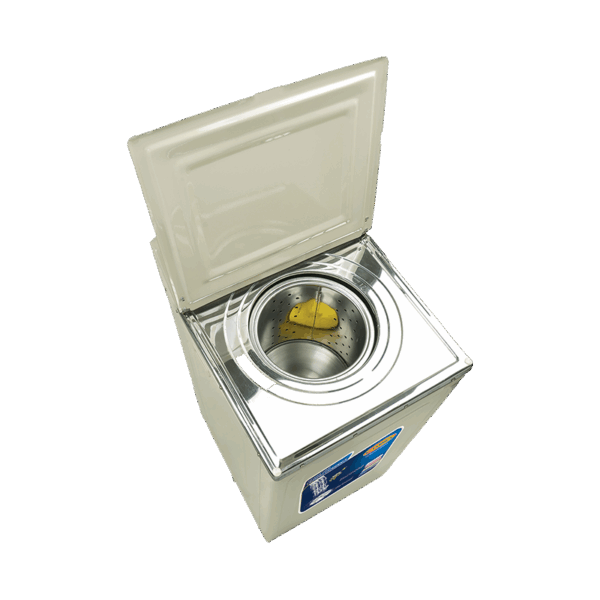
Yashica’s separate dryer machine category currently includes metal-body and plastic-body options. The YA-300 dryer machine is listed with a 10-inch spinning capacity and a painted metal body. The YA-500 spin dryer is listed with a 12-inch spinning capacity, a space-saving design and a shock- and rust-resistant plastic body.
Washing machine dryer vs separate spin dryer
| Factor | Washing machine with spin function | Separate spin dryer |
|---|---|---|
| Main purpose | Washes and spins in one laundry system | Removes water after washing |
| Space | One main appliance, but twin-tub models can be wide | Requires an additional floor position |
| Workflow | More integrated | Clothes must be transferred into the spinner |
| Flexibility | Capacity is tied to the washer design | Can support hand washing or another washing machine |
| Busy family use | Suitable when one machine can complete the routine | Can help process a second batch while washing continues |
| Monsoon use | Standard spin cycle reduces moisture | Dedicated water extraction may shorten line-drying time |
Choose a washing machine with spin when…
- You want a simpler, more integrated laundry routine.
- Your home has limited floor space for an extra appliance.
- You prefer fewer transfers between tubs or machines.
- Your washing volume matches the machine’s verified rated capacity.
- You have suitable water supply and drainage for the selected washer.
Family size should guide the decision. Yashica’s washing machine capacity guide explains how household members, bedding and wash frequency can change the capacity you need.
Choose a separate spin dryer when…
- You hand-wash delicate or traditional clothes and need faster water removal.
- You already own a washer but its spinner is too small for your routine.
- Your family processes several loads on the same day.
- You need extra help during humid or monsoon weather.
- You want a dedicated spinner that can be placed near a suitable drain.
Pakistan-specific considerations
Load shedding and low voltage
A separate appliance creates another electrical load, so inspect the rating label and use a safe wall connection. Avoid loose extensions and overloaded multi-plugs. In areas with low voltage, ask a qualified electrician whether voltage protection is appropriate. Do not assume that the word “energy saver” provides all the electrical information you need.
Water pressure and supply timing
A separate spinner can be useful when clothes are washed manually during limited water-supply hours. However, it still needs a practical drain location. An automatic washing machine may be more convenient when water pressure and supply are stable.
Family size and Sunday wash days
A small household that washes frequently may not need a separate dryer. A joint family that collects uniforms, towels and bedding for one or two weekly wash days may value the additional spinner. Balance the load rather than forcing all wet clothes into one cycle.
Apartment and bathroom space
Measure the laundry area carefully. Check lid clearance, drain-pipe direction and walking space. A space-saving dryer can still be inconvenient if it blocks the bathroom door or cannot drain safely.
Cost comparison beyond the purchase price
Consider delivery, floor space, power connection, maintenance and the time spent moving clothes. A washing machine with a good spin function may be the more economical overall choice for some homes. A separate spin dryer may deliver better workflow value for households that already have a functioning washer or hand-wash many clothes.
For maintenance and operating-cost planning, read Yashica’s guide to energy-efficient washing machines in Pakistan and the washing machine maintenance guide.
Frequently asked questions
Is a washing machine spinner enough for daily use?
It can be enough when its capacity matches your laundry volume and it removes sufficient water for your local weather. Large families or monsoon-season households may prefer additional spinning capacity.
Does a separate spin dryer wash clothes?
No. A dedicated spin dryer normally removes water from already-washed clothes. It should not be treated as a washing tub unless the manufacturer specifically states otherwise.
Can I use a separate dryer with any washing machine?
Generally, wet clothes can be transferred from a washer to a compatible separate spinner, but the load must remain within the dryer’s stated capacity and be evenly distributed.
Which option uses less electricity?
That depends on the wattage and operating time of the actual models. Compare rating labels and calculate total kWh rather than relying on appliance type alone.
Which option is better during monsoon season?
A strong spin stage can reduce the water left in clothes. A separate spinner may help households that need additional extraction, but ventilation and safe indoor drying remain important.
Where can I get model-specific advice?
Use Yashica’s official contact page and share your family size, laundry frequency, space and preferred model.
Conclusion
Choose a washing machine with a spin function when convenience and space are the main priorities. Choose a separate spin dryer when you need extra water extraction, handle multiple batches or already own a suitable washer. Compare verified capacities, installation requirements and electricity labels before deciding.