








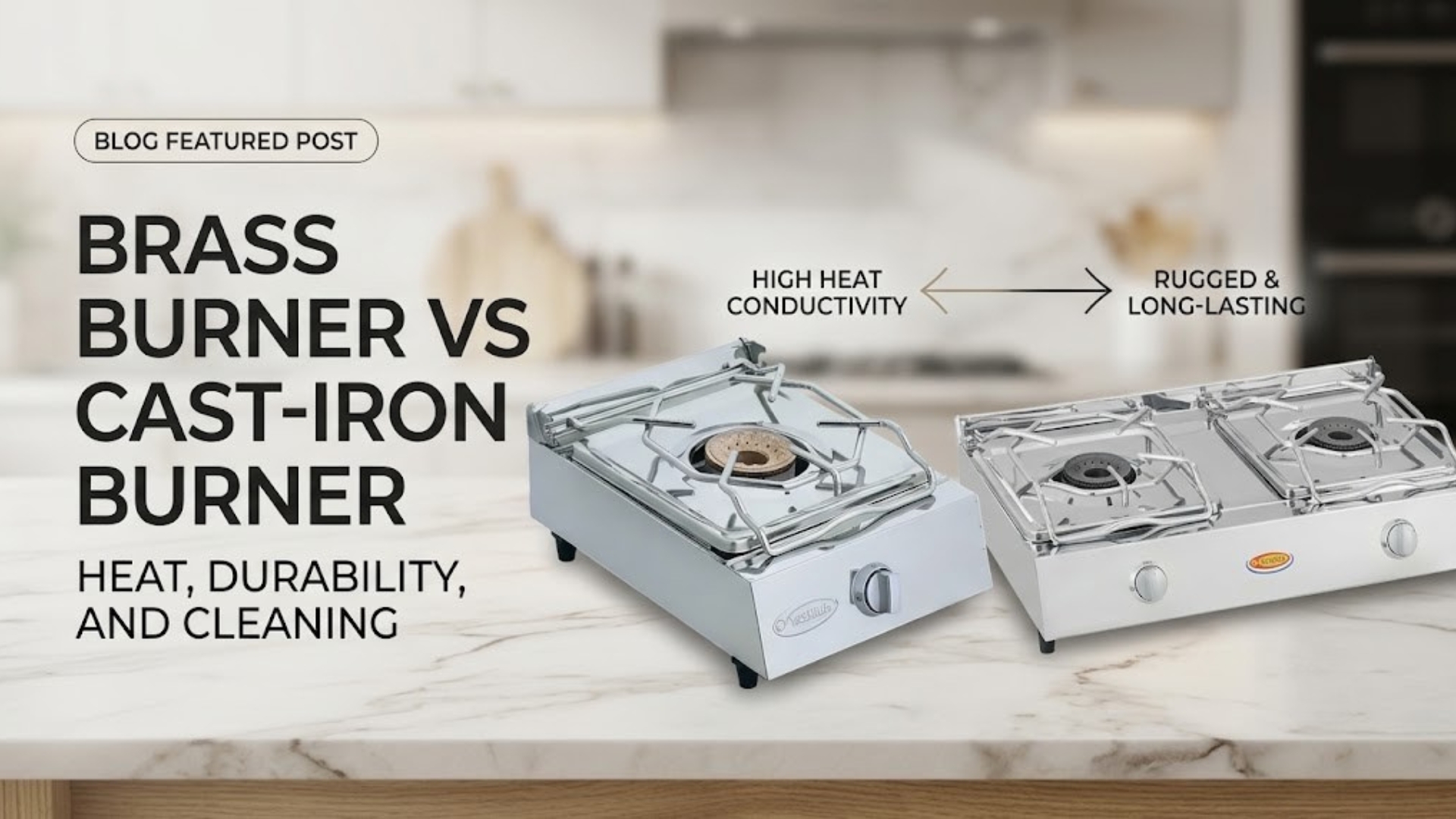
Brass Burner vs Cast-Iron Burner: Heat, Durability and Cleaning
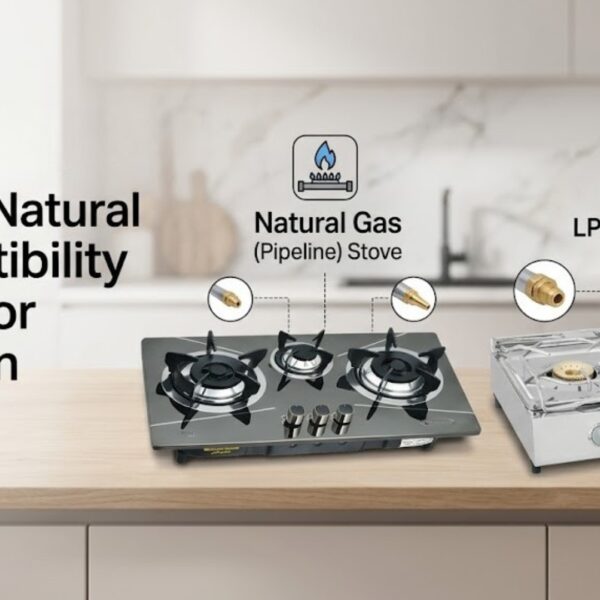
Brass and cast iron are both used in gas-burner systems, but they serve different product designs and maintenance preferences. Brass burners are common in Yashica built-in hobs and cooking ranges, while its tabletop gas-stove pages list cast-iron or imported burners. Material alone does not determine flame quality; injector design, gas pressure, air mixing and cleaning also matter.
Brass burner vs cast-iron burner comparison
| Factor | Brass burner | Cast-iron burner |
|---|---|---|
| Weight | Usually lighter for a similar component | Usually heavier |
| Corrosion behaviour | Does not rust like iron but can tarnish | Can rust if coating is damaged and moisture remains |
| Heat response | Can heat and cool relatively quickly depending on design | Higher mass can retain heat longer |
| Cleaning | Use gentle non-abrasive cleaning | Dry fully to reduce rust risk |
| Typical Yashica use | Built-in hobs and many cooking ranges | Some tabletop gas stoves and pan trivets |
Brass burners in Yashica products
The YA-186 built-in hob lists two large brass prime burners and one small burner. Cooking ranges such as the CR6300 list three large die-cast brass burners, while the CR6600 uses five brass burners in large, medium and small sizes.
Cast-iron burners and supports
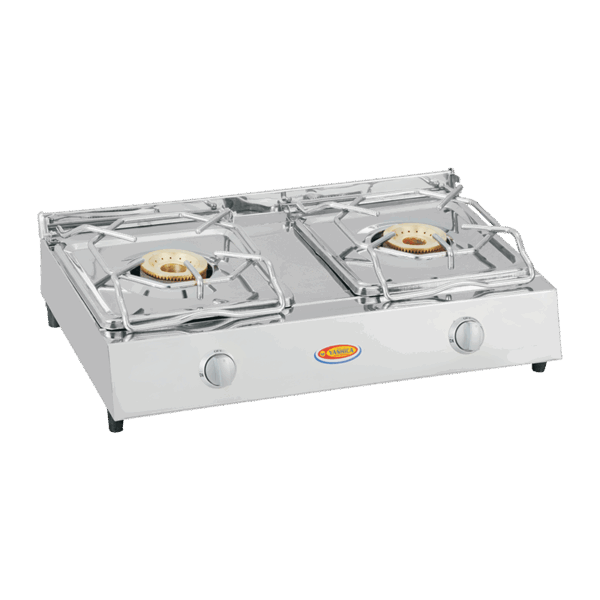
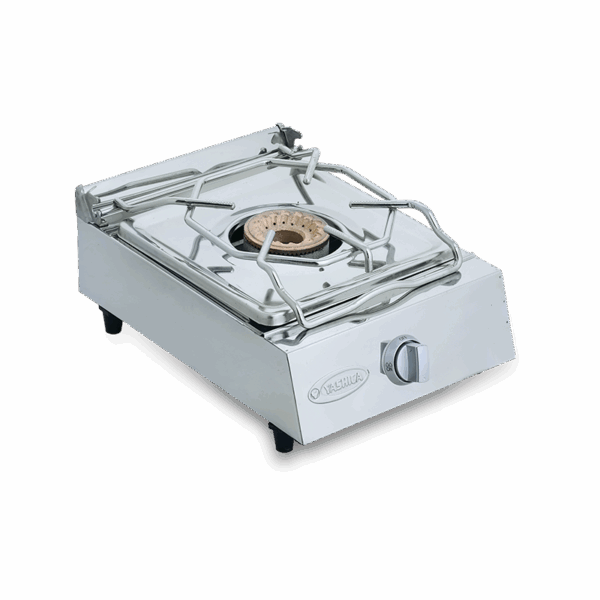
The YA-109 gas stove and YA-707 list heavy gold cast-iron burners. The YA-908 lists imported burners without stating their material. Yashica built-in hobs also use grey cast-iron pan trivets, which should not be confused with the burner material.
Heat performance
A burner’s flame pattern matters more than the colour or weight of the metal. A well-designed small brass burner may produce less total heat than a large cast-iron burner. Compare burner size, port pattern and control rather than assuming one material is always hotter.
Durability considerations
Brass
Brass resists red rust and can handle repeated heat cycles, but food acids, harsh cleaners and abrasion can stain or damage its finish. Tarnish is not necessarily a failure.
Cast iron
Cast iron is strong and stable but can develop rust when left wet. Coated or finished surfaces should be cleaned without scraping away the protective layer.
Cleaning brass burners
- Turn off gas and allow the burner to cool.
- Remove only user-removable parts.
- Brush loose residue gently.
- Use mild soapy water if the manual permits.
- Rinse without flooding the gas jet.
- Dry completely before reassembly.
Cleaning cast-iron burners
Use the same gentle process but pay special attention to drying. Do not soak for long periods. Do not coat burner ports with oil unless the manufacturer specifically instructs it, because oil can burn and block openings.
Pakistan-specific cooking use
Frequent frying, milk boiling and masala cooking can create sticky residue. Clean spills after the appliance cools. Large karahis and tawas should sit on the trivet rather than directly contacting the burner.
Which material should you buy?
Choose the complete appliance, not the burner material alone. Consider burner sizes, valve control, pot support, top material, fuel compatibility, installation and access to service.
Compare brass-burner models in the Yashica built-in hob category and cooking range category. For tabletop options, review the gas stove range.
Gas safety: If you smell gas, hear an unexplained hiss, see a damaged hose or notice a flame that remains unstable after basic cleaning, turn all burner knobs off, close the gas supply when it is safe to do so, ventilate the area and call a qualified gas technician. Do not operate electrical switches, create a flame or attempt an internal repair in a gas-filled room.
Frequently asked questions
Is brass always better than cast iron?
No. Both can perform well in a correctly designed and maintained appliance.
Does brass rust?
It does not form red iron rust, but it can tarnish or discolour.
Why does cast iron develop orange marks?
Moisture and damaged coating can lead to surface rust. Dry parts completely.
Are Yashica hob burners brass?
The audited hob pages list brass prime burners.
Are Yashica gas-stove burners cast iron?
YA-109 and YA-707 list heavy gold cast-iron burners. YA-908 lists imported burners without material detail.
Can burner material change gas consumption?
Consumption is determined mainly by injector, burner design, flame setting and cooking time rather than material alone.
Conclusion
Brass offers rust resistance and is widely used in Yashica hobs and ranges. Cast iron offers weight and robust construction but needs careful drying. Select the appliance based on the full burner system and maintain the material according to its instructions.