






Food Chopper vs Blender: Which Appliance Does Your Kitchen Need?
A food chopper and a blender can both reduce preparation time, but they do not produce the same texture. A chopper uses short blade action to cut ingredients into pieces, while a blender is designed to circulate ingredients into a smoother mixture. Choosing the wrong appliance can turn onions into paste or leave a milkshake uneven.
What a food chopper does
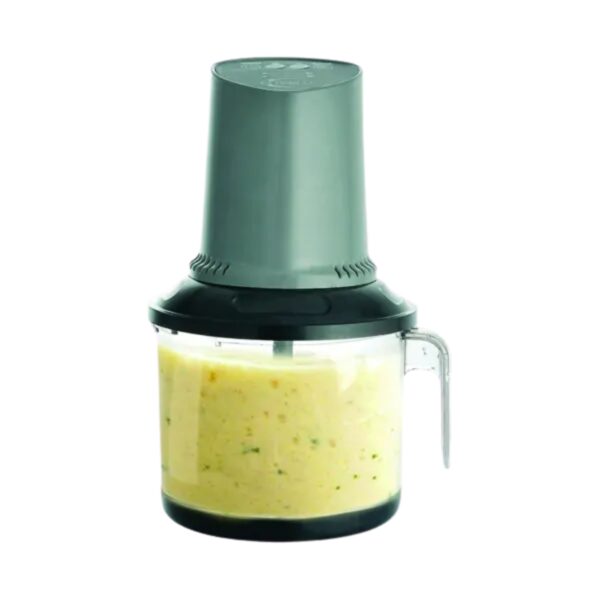
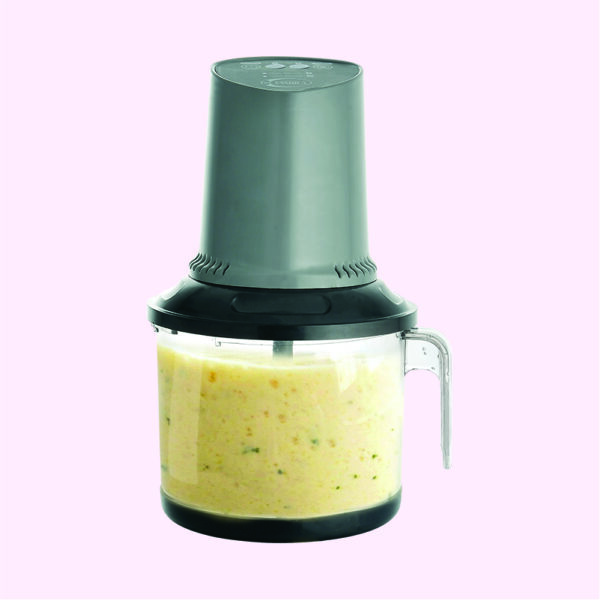
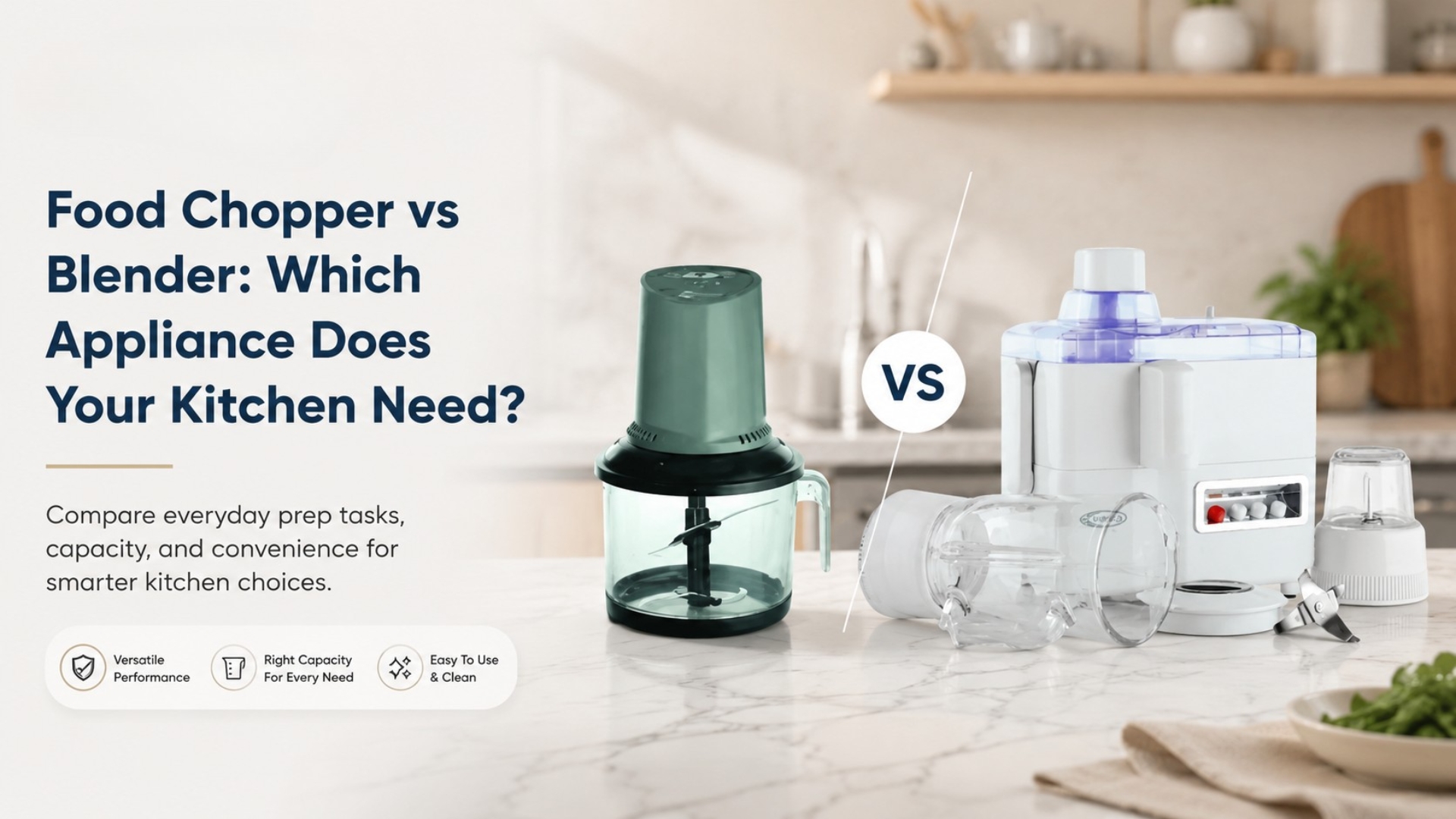
A food chopper is useful for onions, tomatoes, herbs and other ingredients that need a chopped or minced texture. Yashica’s YA-224 food chopper and mixer is listed with a glass bowl, a pure-copper motor, double-button press-down operation and a 304-grade stainless-steel blade. The live page should be checked for current stock status.
What a blender does
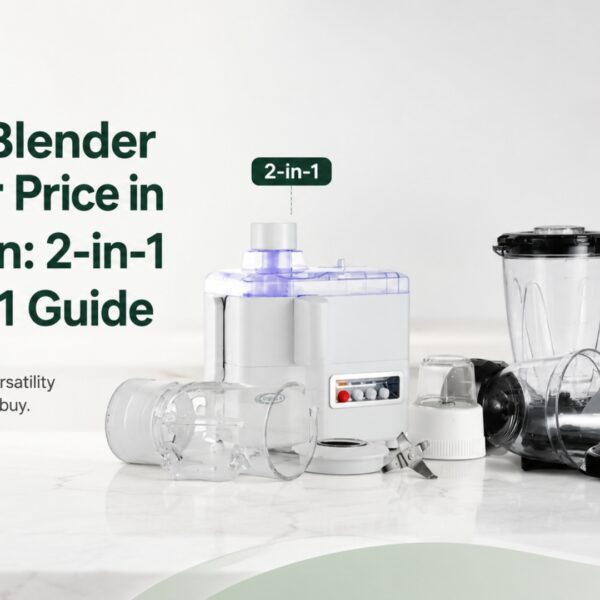
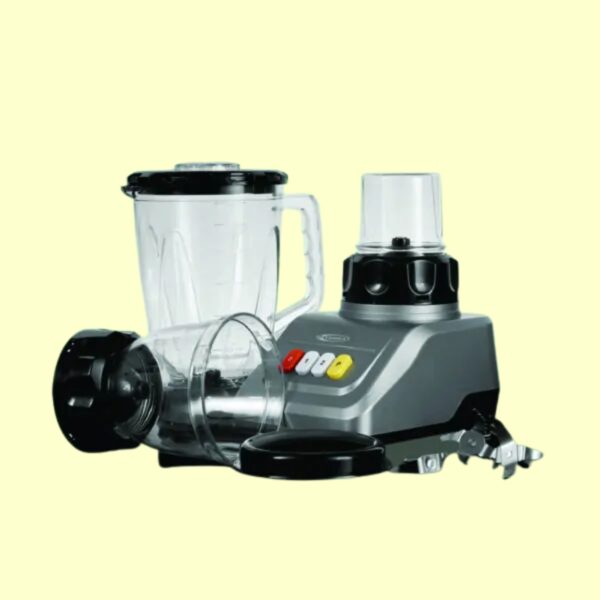
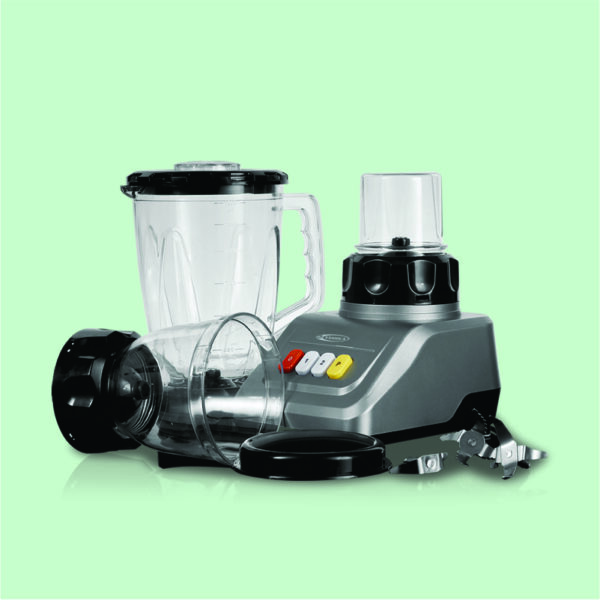
A blender uses a tall jar and liquid circulation to create shakes, sauces and purees. The YA-223 blender, mill and grinder lists a 1.6-litre jar, grinder cups, two speeds and pulse control.
Chopper vs blender comparison
| Task | Food chopper | Blender |
|---|---|---|
| Chopped onion | Usually more suitable with short pulses | May turn onion watery or pasty |
| Milkshake | Not the normal choice | Suitable with a full-size jar |
| Green chutney | Can chop ingredients; texture may stay coarse | Small grinder cup can create a smoother result |
| Tomato puree | Produces chopped texture | Better for smooth puree |
| Dry spices | Only if specifically approved | Use a dedicated dry grinder cup |
| Meat mincing | Only when the manufacturer confirms suitability | Do not assume a blender is suitable |
Choose a food chopper when…
- You prepare onions and vegetables frequently.
- You want a coarse or minced texture.
- You prefer press-and-release control.
- Your recipes include kebab or kofta preparation and the model is approved for meat.
- You already own a blender for drinks.
Choose a blender when…
- You make milkshakes, lassi or smoothies.
- You prepare puree, sauces or batters.
- You need a grinder cup for spices.
- You want a larger liquid-processing jar.
Do you need both?
A busy family may use both because they solve different problems. A blender can prepare breakfast drinks while a chopper handles onions and herbs for lunch. A small household with limited counter space should list its five most common recipes and buy the appliance used most often.
Pakistan-specific examples
Biryani preparation
A chopper can reduce onion and herb preparation time, but use short presses to avoid releasing too much water.
Mint raita
A small grinder cup can blend mint, chilli and yoghurt more smoothly.
Tomato salan base
Use a blender for puree and a chopper when visible pieces are preferred.
Kebab mixture
Confirm the chopper’s meat rating and maximum batch before processing. The audited YA-224 page does not explicitly state meat suitability.
Buying factors
- Bowl or jar capacity
- Blade material
- Pulse or press control
- Approved ingredient types
- Ease of cleaning
- Counter and storage space
- Current stock and support
Explore the Yashica food chopper category and the complete small-appliance range. The brand’s convenience-appliance overview also explains how choppers and juicers support daily preparation.
Frequently asked questions
Can a chopper make a milkshake?
A blender is normally the better appliance for drinks and smooth liquid circulation.
Can a blender chop onions?
It can break them down, but the result may become wet or uneven. A chopper offers better control.
Can a food chopper grind spices?
Only if the manufacturer approves dry grinding. Otherwise use a grinder cup.
Can Yashica YA-224 chop meat?
The audited page does not explicitly state meat suitability. Confirm with Yashica before use.
Which is easier to clean?
That depends on the number of parts. A simple chopper bowl may be quicker, while a blender jar can be easier for liquids.
Where can I compare both appliances?
Use the official product pages or visit a location listed on the Yashica store locator.
Conclusion
Choose a chopper for controlled cutting and a blender for smooth drinks, puree and grinding with the correct cup. Many Pakistani kitchens benefit from both, but the right purchase depends on recipes, space and verified product capabilities.