






Gas Stove Auto Ignition Not Working: Causes and Safe Solutions
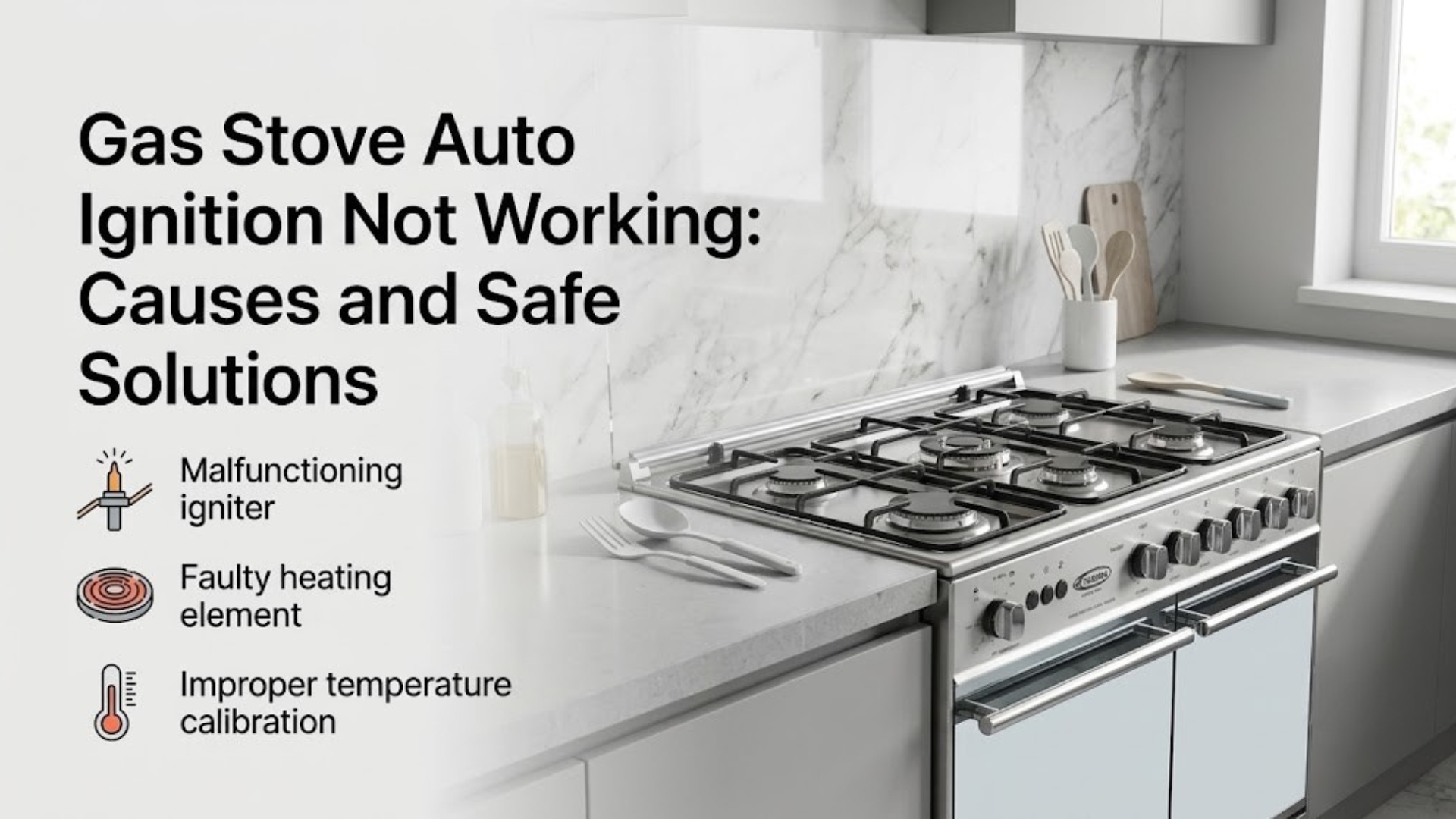
Auto ignition can stop clicking or stop producing a spark even when the gas stove itself is otherwise usable. The cause may be a wet electrode, food residue, a weak battery in a battery-operated hob, a misaligned burner cap or a failed ignition component. Because gas is involved, troubleshooting should remain limited to safe external checks.
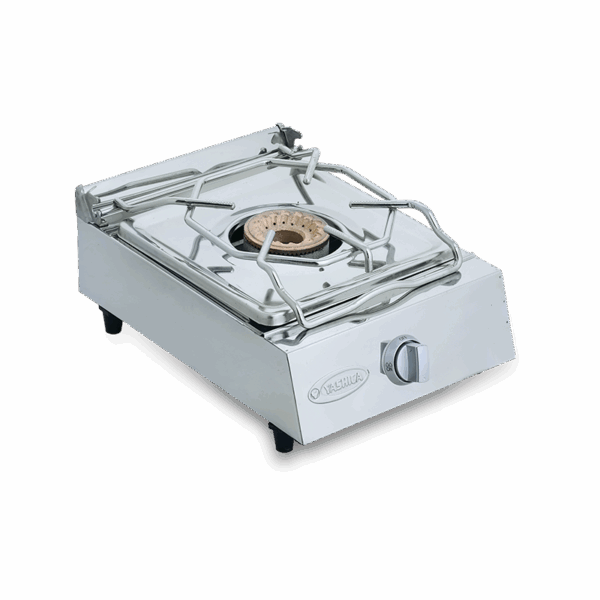
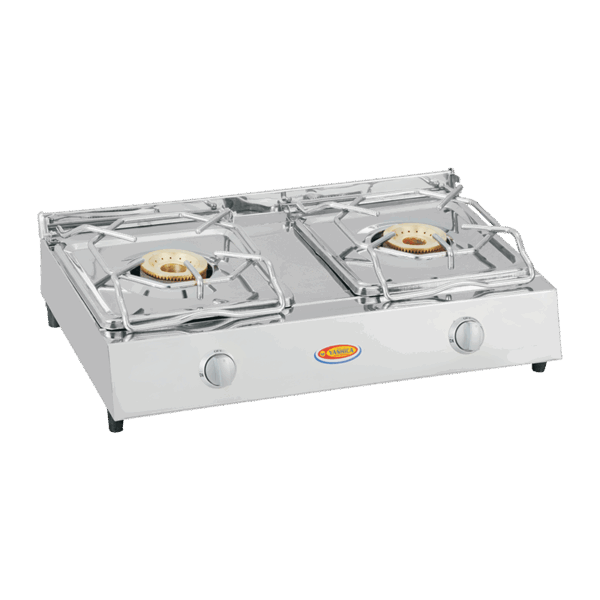
Yashica lists auto ignition across several gas appliances. Its built-in hobs, such as the YA-286, specify 3V battery-operated auto ignition. The YA-908 tabletop gas stove also lists auto ignition, but its page does not describe the ignition power source.
Gas safety: If you smell gas, hear an unexplained hiss, see a damaged hose or notice a flame that remains unstable after basic cleaning, turn all burner knobs off, close the gas supply when it is safe to do so, ventilate the area and call a qualified gas technician. Do not operate electrical switches, create a flame or attempt an internal repair in a gas-filled room.
First identify the symptom
| Symptom | Possible external cause | Safe next step |
|---|---|---|
| No clicking sound | Weak battery, damaged knob action or internal switch fault | Check model instructions and battery where applicable |
| Clicking but no spark | Wet or dirty electrode, poor alignment | Turn off gas, allow parts to cool and dry |
| Spark appears but burner does not light | Burner cap misalignment, blocked ports or gas-supply issue | Re-seat removable cap and inspect visible ports |
| Ignition clicks continuously | Moisture, stuck control or internal fault | Turn off supply and arrange service |
| Only one burner fails | Local dirt, cap position or electrode issue | Compare clean, cool burner assembly with working burner |
Safe check 1: confirm the burner is dry
After cleaning or a milk spill, moisture can prevent a reliable spark. Turn all controls off, close the gas supply and wait until the appliance is cool. Remove only the burner cap or ring that the manual treats as user-removable, dry it completely and allow the electrode area to air-dry.
Safe check 2: re-seat the burner cap
A cap that sits at an angle can prevent gas from reaching the spark correctly. Place it flat in its designed position. Do not force or bend the electrode.
Safe check 3: inspect for visible food residue
Use a soft dry brush around the cool electrode and burner openings. Do not insert metal needles into the gas jet or enlarge burner holes. Do not pour cleaner into the ignition area.
Safe check 4: check the battery on a built-in hob
Yashica built-in hobs list 3V battery-operated auto ignition. If the product manual shows a user-accessible battery compartment, replace the battery with the specified type and orientation. Keep the gas supply off while working around the appliance.
Safe check 5: observe whether gas reaches the burner
Do not repeatedly release unlit gas. Try only the normal ignition sequence after the area is ventilated and the burner has been reassembled correctly. If gas is smelled but no flame appears, turn the knob off immediately.
What not to do
- Do not test for leaks with a match or lighter.
- Do not hold the knob open while repeatedly clicking.
- Do not dismantle the valve, gas line or ignition switch.
- Do not bend the spark electrode.
- Do not use wet cleaning spray near the battery or ignition system.
- Do not bypass a failed ignition system with an unsafe open flame.
Why one burner may work while another fails
Each burner has its own cap, gas ports and spark position. Local residue or a misaligned part can affect only one burner. A fault affecting all burners is more likely to involve the battery, common ignition circuit or gas supply.
Low gas pressure vs ignition fault
If the spark is visible but the flame is weak or disappears, the issue may be gas pressure rather than ignition. Do not adjust the internal valve or injector. A qualified technician should check the supply, regulator and appliance compatibility.
Review the Yashica gas stove range or the built-in hob category to identify the exact model before requesting service.
When professional service is required
- There is a persistent gas smell.
- The ignition clicks after the knob is released.
- The electrode is cracked or loose.
- The battery compartment is corroded.
- The flame lifts, flashes back or burns irregularly after cleaning.
- The valve or knob feels damaged.
Frequently asked questions
Why does my gas stove click but not light?
The burner may be wet, dirty or misaligned, or gas may not be reaching it correctly. Stop repeated attempts and complete only safe external checks.
Do Yashica built-in hobs use batteries?
The audited hob pages list 3V battery-operated auto ignition.
Can I light the burner manually?
Follow only the manufacturer’s instructions. Do not improvise when gas has accumulated or when the ignition system is faulty.
Can water damage auto ignition?
Moisture can temporarily prevent sparking and can damage electrical parts if it enters the ignition system.
Should I clean the electrode with sandpaper?
No. Use a soft dry brush and avoid changing the electrode shape or surface.
Where can I request help?
Use the Yashica contact page and provide the model number and exact symptom.
Conclusion
Begin with the safest checks: shut off gas, dry the burner, re-seat the cap, remove visible residue and replace the specified battery where applicable. Stop troubleshooting when there is a gas smell, continuous clicking, valve damage or an unstable flame.