






How to Dry Clothes Faster During Pakistan’s Monsoon Season
Pakistan’s monsoon season can turn a normal laundry routine into a daily struggle. Clothes may remain damp for hours, indoor rooms feel humid and towels develop an unpleasant smell when they dry too slowly. The solution is not simply to run an appliance for longer. Faster drying begins with better water extraction, airflow, spacing and timing.
Remove as much water as possible first
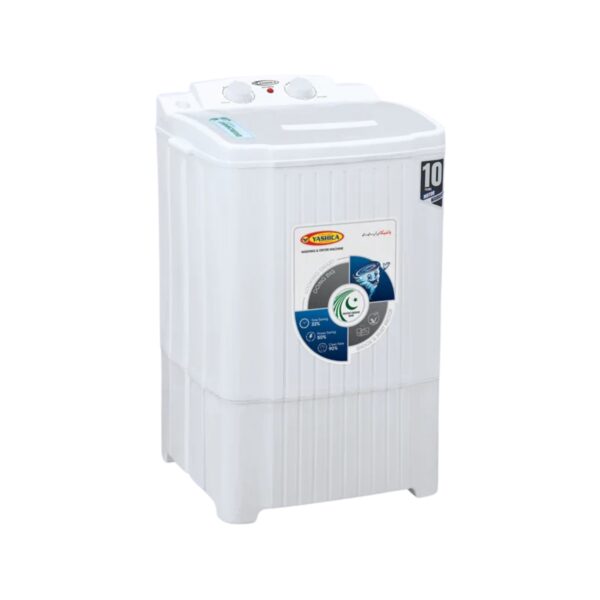
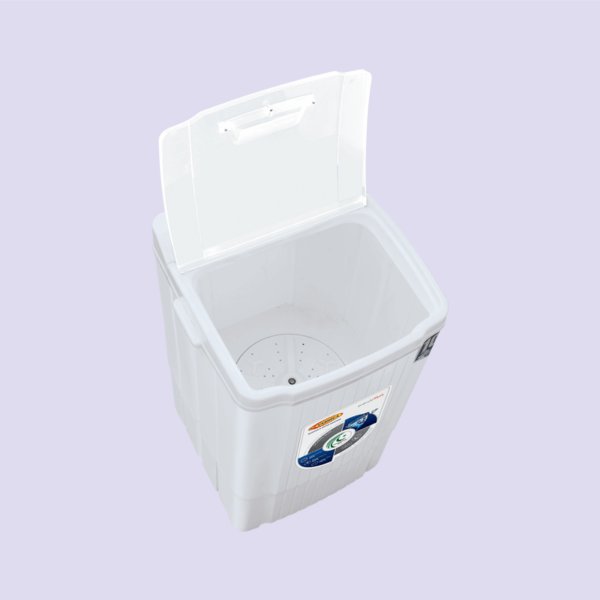
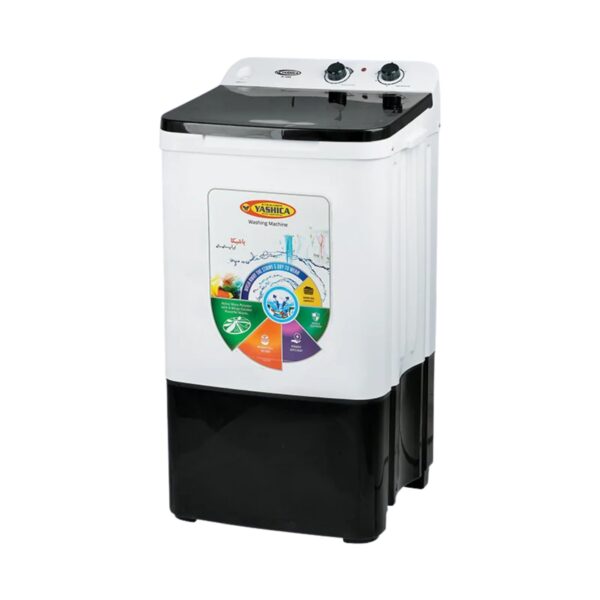
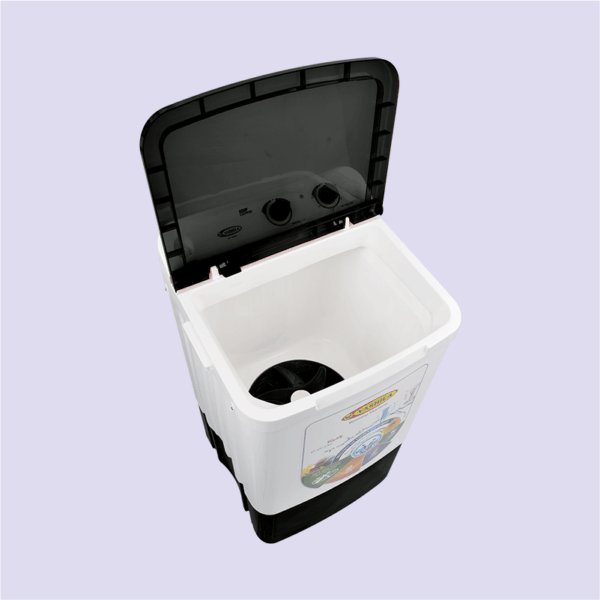
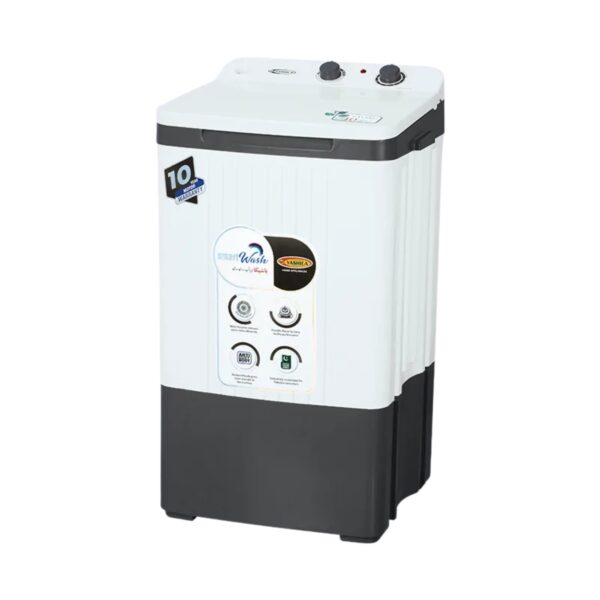
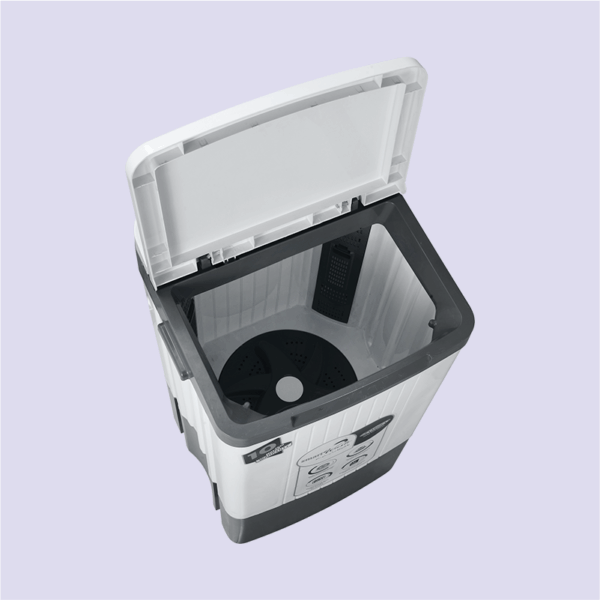
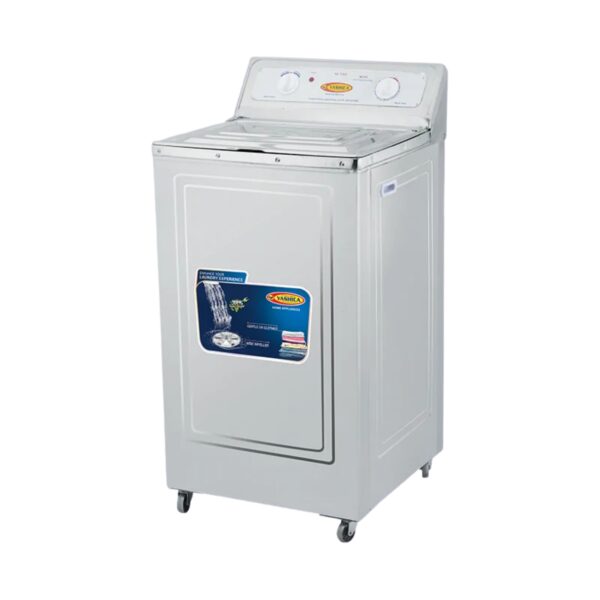
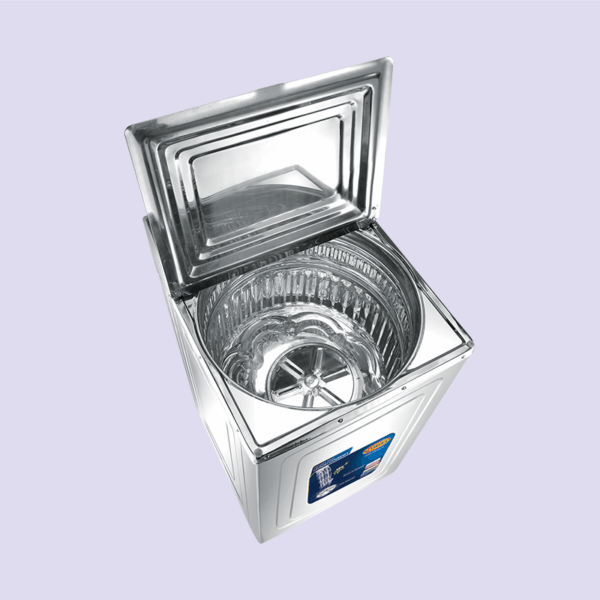
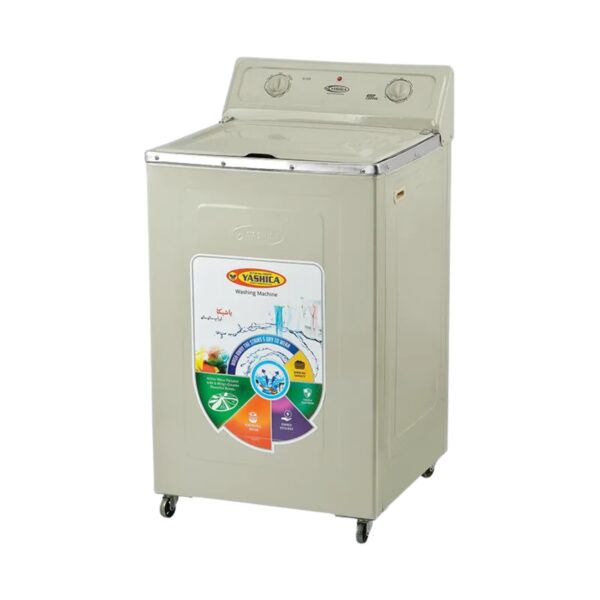
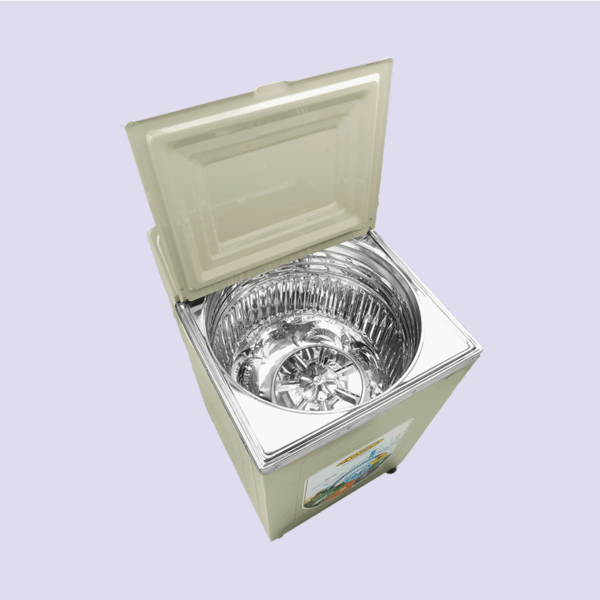
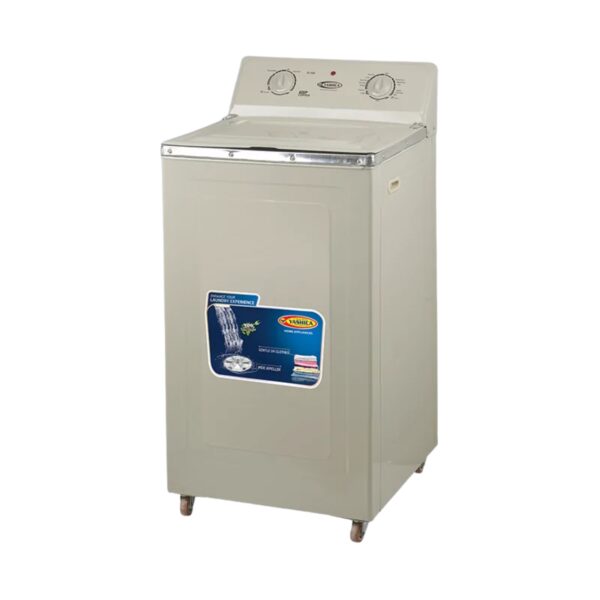
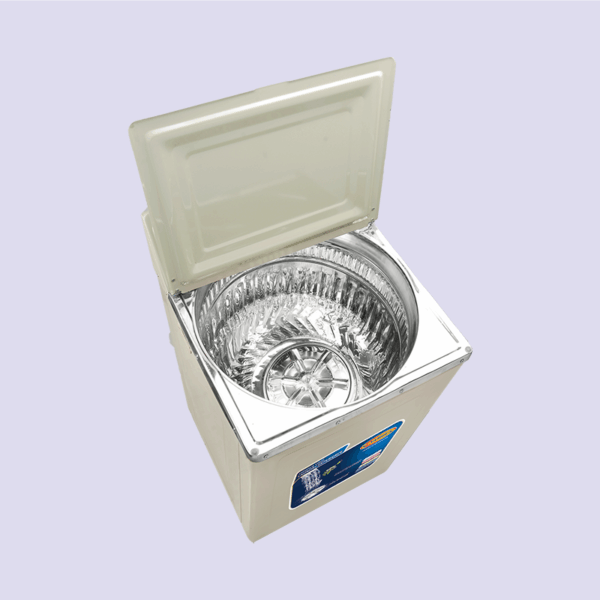
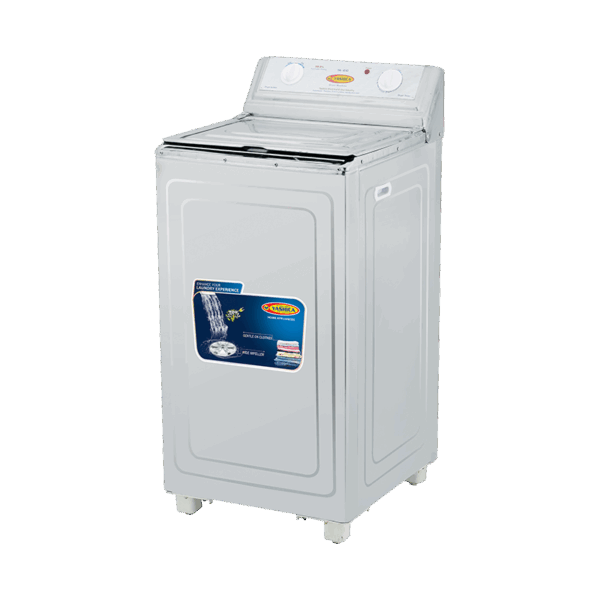
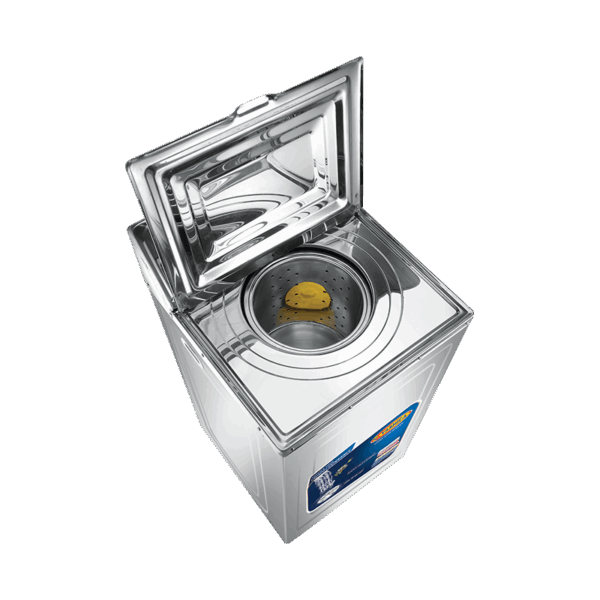
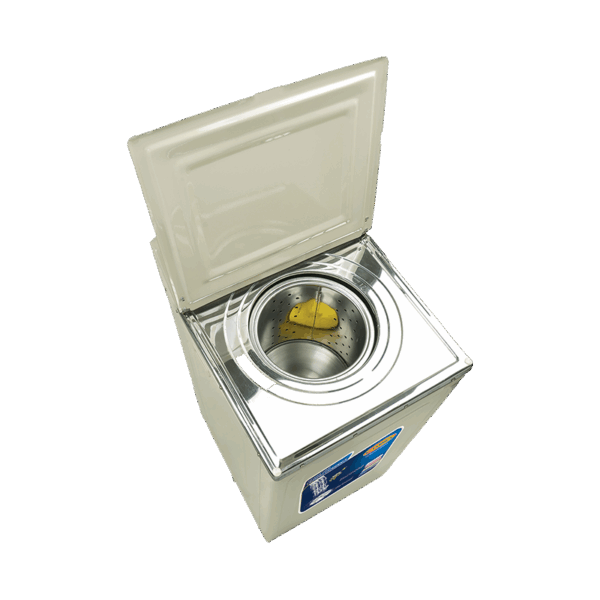
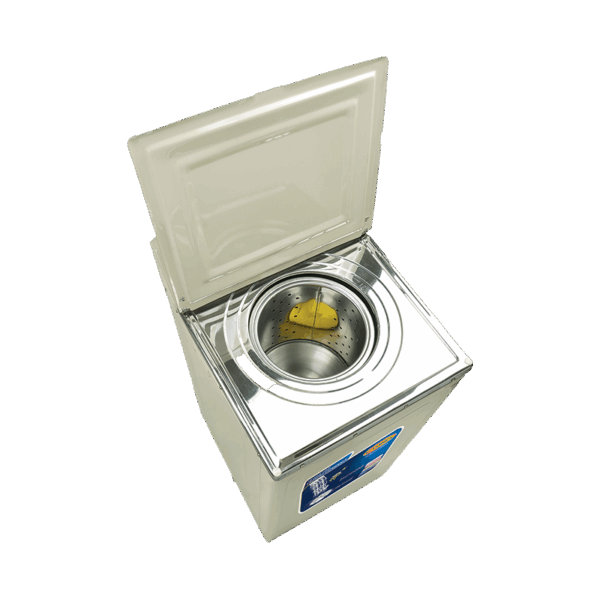
Clothes that leave the washer or bucket dripping wet will take much longer to dry. Use the washing machine’s proper spin cycle or a separate spinner. Yashica’s dryer machine range includes dedicated spin-dryer options designed to remove water through rotation.
Examples include the YA-500 and YA-650, both listed with 12-inch spinning capacity, space-saving design and shock- and rust-resistant plastic bodies. Always balance wet clothes and follow the model manual.
Do not overload the spinner
During monsoon, families often try to dry a full week’s laundry at once. An overloaded or unbalanced basket may spin poorly and leave clothes wetter. Divide jeans, towels and heavy shalwar kameez into balanced batches. Better water extraction at the start can save several hours of line drying.
Use airflow, not only heat
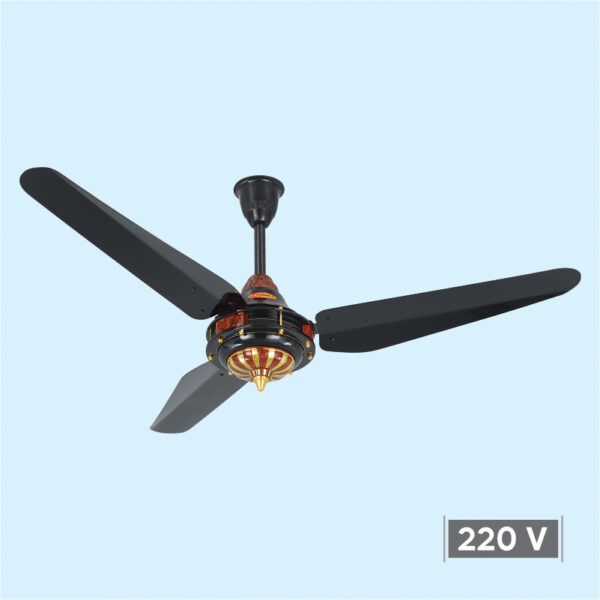
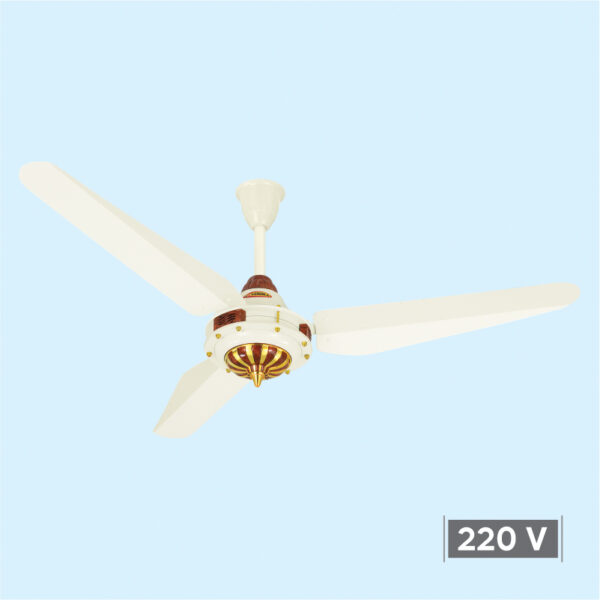
Moving air carries moisture away from fabric. Place clothes where air can pass around each item. A ceiling or pedestal fan can help in a well-ventilated room, but keep electrical equipment away from dripping clothes and wet floors.
Create a cross-ventilation path
Open two safe windows or a window and door on opposite sides when outdoor humidity and rain allow. Avoid closing wet laundry inside a small bathroom with no exhaust.
Use an exhaust fan
In apartments, an exhaust fan can remove humid indoor air. Clean the fan grille so airflow is not blocked by dust.
Leave space between clothes
Clothes touching each other create damp pockets. Use separate hangers for shirts and trousers. Hang dupattas and bedsheets in a single layer. Turn pockets out and open zips to expose wet areas.
Choose the right time of day
Start washing early when there is more time for ventilation. Even on cloudy days, daytime air movement is usually more useful than leaving a full rack in a closed room overnight. Check the local forecast before washing heavy bedding.
Monsoon drying methods compared
| Method | Best use | Important caution |
|---|---|---|
| Strong spin cycle | Removing excess water before hanging | Balance the load and stay within capacity |
| Indoor rack with fan | Light clothes in a ventilated room | Keep the fan and socket away from water |
| Covered balcony | Airflow without direct rain | Protect clothes from wind-driven rain and dust |
| Exhausted bathroom | Small loads when an exhaust fan is available | Do not block the bathroom or create condensation |
| Sun breaks | Final drying and freshness | Bring clothes inside before the next shower |
Dry thick items separately
Towels, denim, socks and waistbands dry more slowly than light cotton. Do not hide them inside a crowded rack. Give them the strongest airflow and turn them after a few hours. Bedsheets should be spread widely instead of folded over several times.
Avoid damp smell
- Remove clothes from the washer or spinner promptly.
- Do not leave wet laundry in a closed basket.
- Clean the washer and dryer basket regularly.
- Use the correct detergent amount; excess residue can hold odour.
- Allow the laundry room to dry between loads.
- Rewash items that smell musty rather than masking the smell with perfume.
Plan laundry around power and water supply
In areas with load shedding, start the wash and spin stage during a reliable power window. Homes with limited water pressure may need to wash smaller planned loads rather than delaying all laundry until the weekend.
Review Yashica’s energy-efficient washing machine guide for broader laundry planning and the washing machine capacity guide for matching loads to family size.
Indoor drying safety
Keep the rack away from gas heaters, open flames, cooking ranges and electrical sockets. Do not place dripping clothes directly over an appliance. Avoid using an iron on clothes that are still very wet. Ensure children cannot pull the rack down.
Simple monsoon routine for a Pakistani family
- Wash a manageable load early in the day.
- Use a balanced spin cycle.
- Move clothes to hangers immediately.
- Separate thick and thin fabrics.
- Place the rack in a ventilated room.
- Use safe fan airflow if needed.
- Turn heavy clothes midway.
- Store only when completely dry.
Frequently asked questions
How can I dry clothes quickly without sunlight?
Extract more water with a proper spin cycle, separate clothes on hangers and use cross-ventilation or safe fan airflow.
Why do clothes smell during monsoon?
Slow drying allows moisture and odour to remain in fabric. Crowded racks, closed rooms, detergent residue and leaving wet clothes in a basket make the problem worse.
Can I dry clothes in a room with a ceiling fan?
Yes, when the room is ventilated and clothes are not dripping near electrical fittings. Leave space between garments.
Should I spin clothes twice?
Use only the cycle and duration recommended for the appliance. A repeat may be needed for an unbalanced first load, but correct loading is better than unnecessary cycles.
What clothes should be dried separately?
Heavy towels, jeans, socks, waistbands, shawls and bedding should receive more space and airflow.
Where can I compare Yashica spin dryers?
Browse the official dryer category, visit the Yashica store locations page or contact support for current availability.
Conclusion
Faster monsoon drying depends on removing water first, using balanced loads, improving airflow and giving each item space. A separate spin dryer can support busy households, but good ventilation and safe indoor drying habits remain essential.