






7kg vs 8kg vs 10kg Dryer Machine: Which Capacity Is Right?
When buyers compare a 7kg, 8kg or 10kg dryer machine, they are usually trying to answer one practical question: how much wet laundry can the appliance handle without requiring too many batches? The answer depends on the manufacturer’s capacity definition, fabric type and the way the appliance is loaded.
This guide discusses common kilogram capacity labels in the market. It does not claim that Yashica’s current spin-dryer models are rated at 7kg, 8kg or 10kg. The audited Yashica pages describe spinning capacity in inches, so buyers should not convert those figures without official documentation.
What does kg capacity normally mean?
For laundry appliances, a kilogram rating usually refers to a stated dry-clothes load under manufacturer test conditions. Wet clothes become much heavier. Different appliance types and brands may define practical capacity differently, so the manual and rating label should remain the main reference.
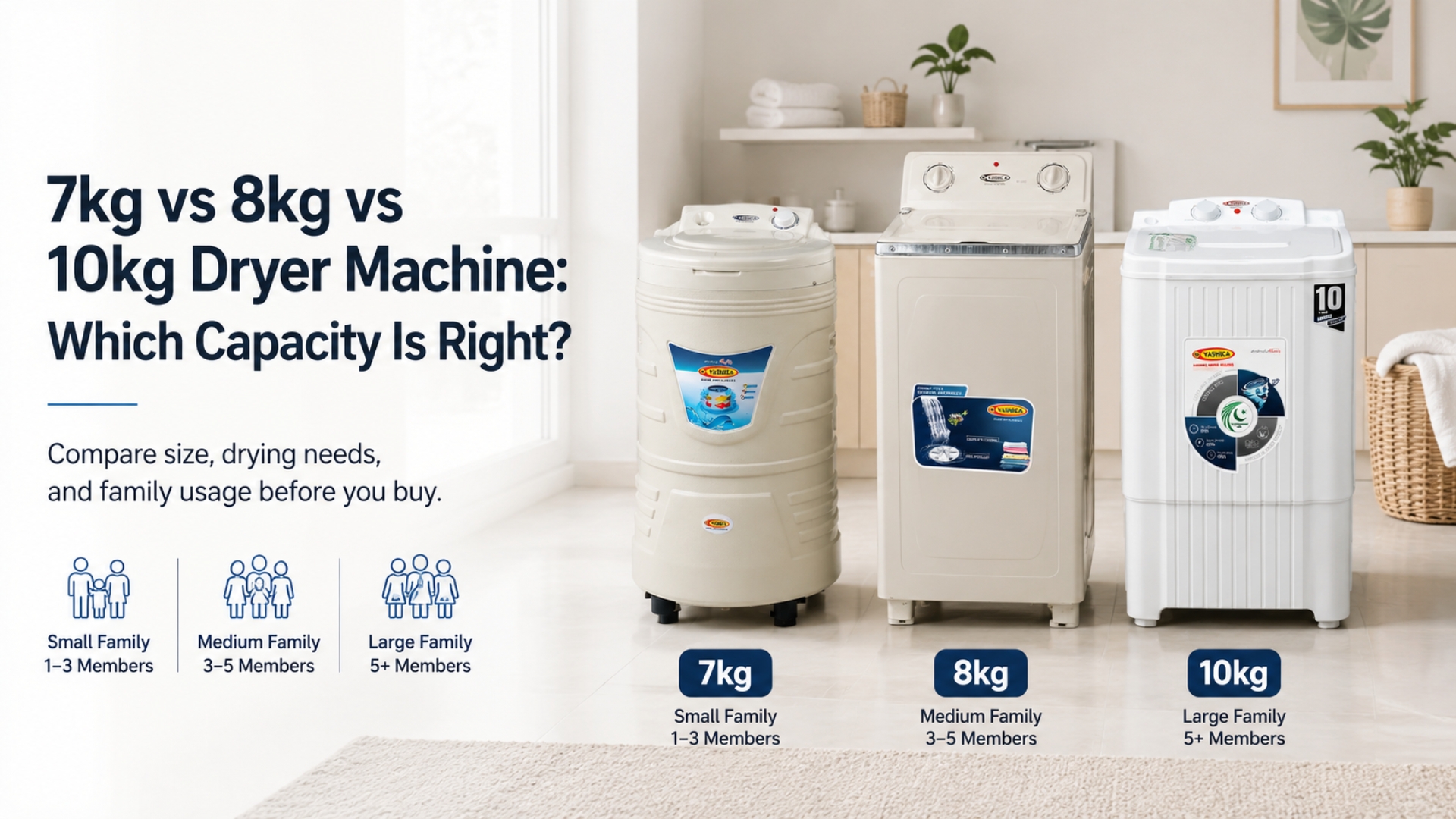
7kg vs 8kg vs 10kg dryer comparison
| Capacity label | Typical household planning | Possible advantages | Watch-outs |
|---|---|---|---|
| 7kg | Individuals, couples or light frequent loads | Smaller footprint and easier small-batch use | May require more batches for towels and bedding |
| 8kg | Small to medium families | Middle-ground capacity for daily clothing | Heavy weekly loads may still need splitting |
| 10kg | Medium to larger families or bulky laundry | More room for uniforms, towels and mixed family loads | Needs more space and still must be balanced |
These are planning categories, not universal guarantees. A thick towel load occupies capacity differently from light cotton shirts.
Who should consider a 7kg dryer?
A 7kg-rated appliance may suit one or two people who wash frequently, students in shared accommodation or homes with limited floor space. It may not be the most convenient option for large bedding or a full week of family laundry.
Who should consider an 8kg dryer?
An 8kg label can provide a useful middle option for a small family. It may handle routine clothing with fewer batches than a smaller appliance while remaining easier to place than a larger model. Check dimensions, drainage and the actual usable basket.
Who should consider a 10kg dryer?
A 10kg-rated machine may suit families with school uniforms, towels and larger wash days. Do not treat the rating as permission to compress the basket. Bulky wet items must still move and balance correctly.
Family size is only one factor
Frequency of washing
A family of five washing every day may be comfortable with a different capacity than a family of five washing once a week.
Fabric mix
Heavy denim, towels and winter clothing hold more water. Light lawn suits and shirts are easier to distribute.
Available floor space
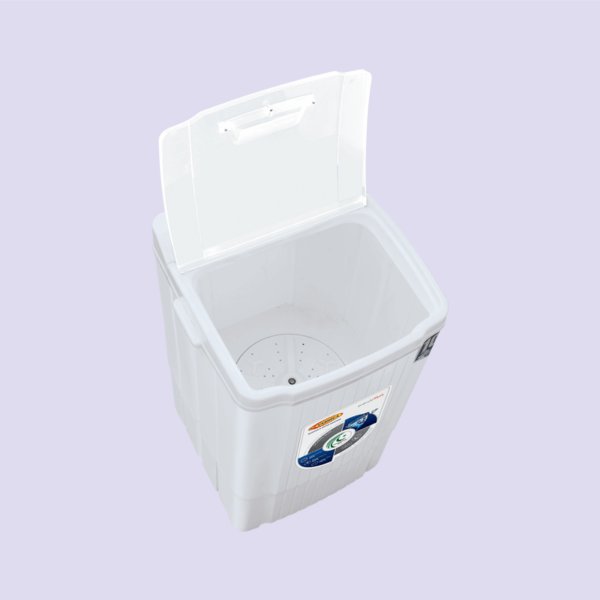
Measure width, depth, lid clearance and the route to the drain. Capacity is not useful if the appliance cannot be operated comfortably.
Monsoon workload
During humid months, laundry may accumulate. A larger practical capacity can reduce batches, but only when the load is safe and balanced.
How Yashica currently describes spin-dryer capacity
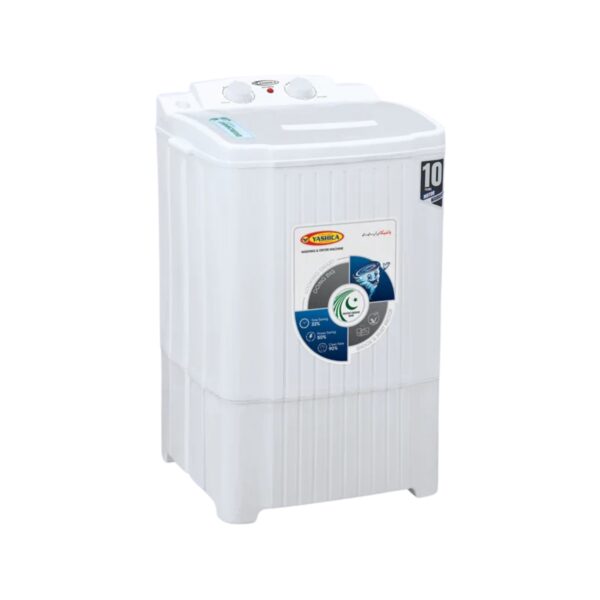
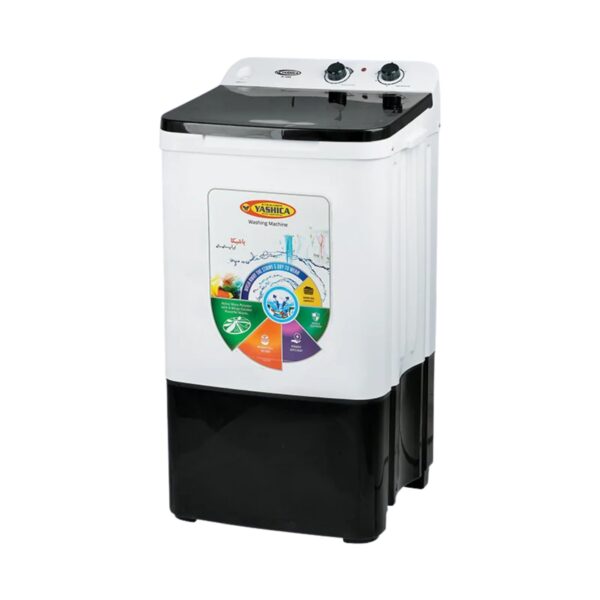
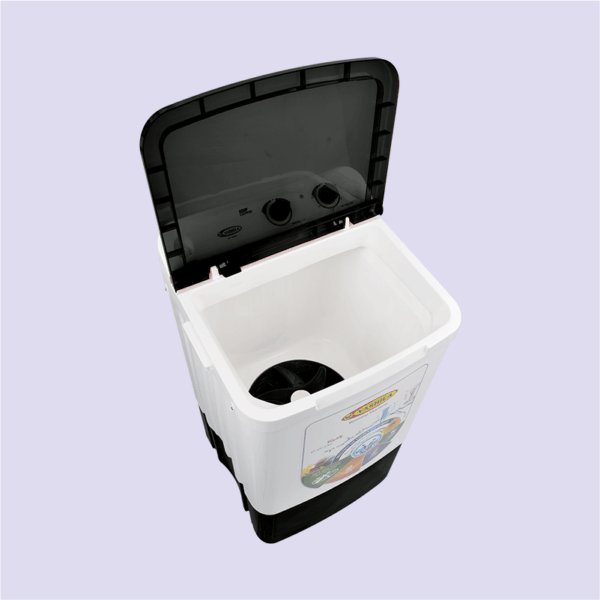
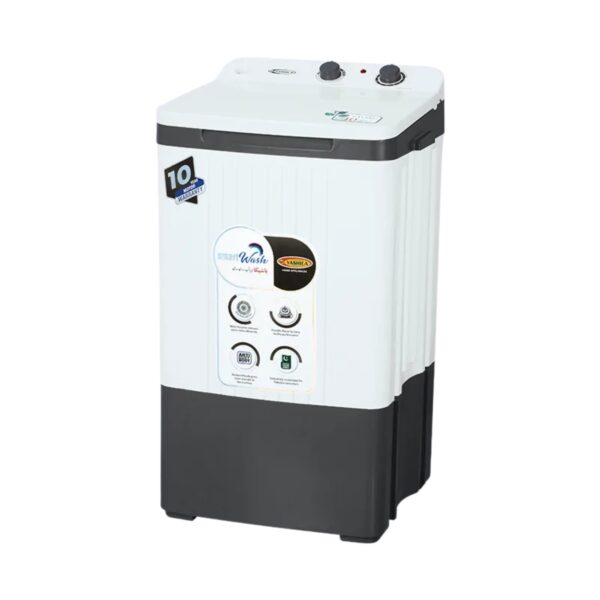
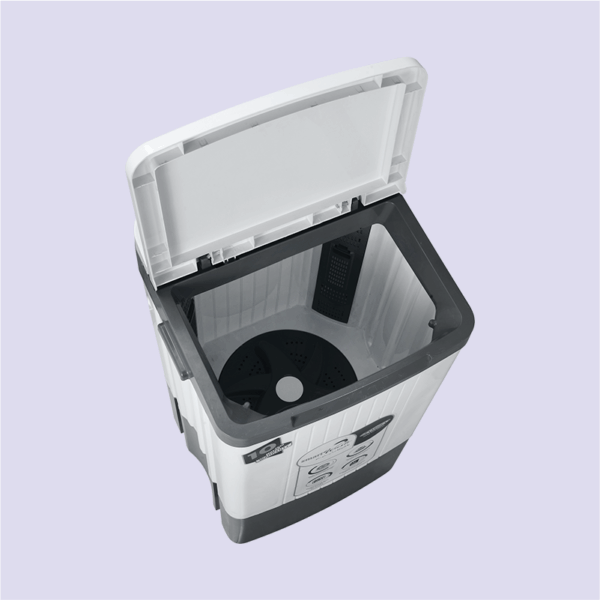
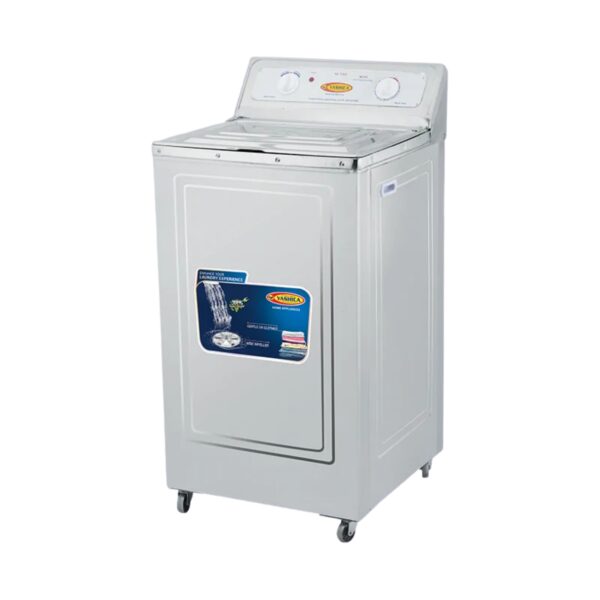
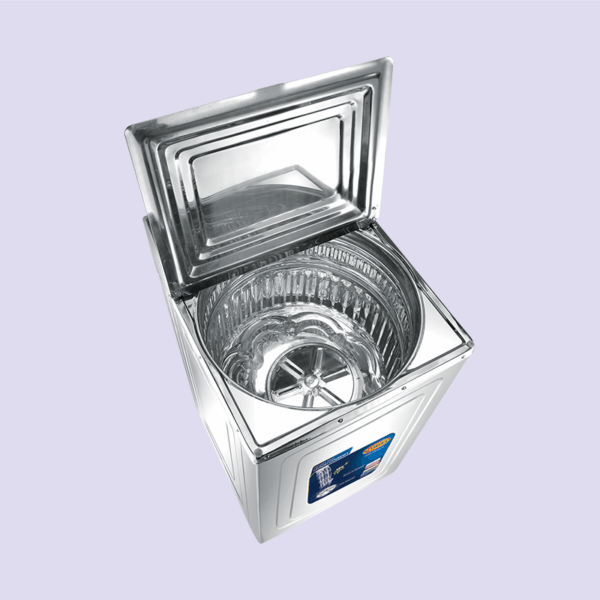
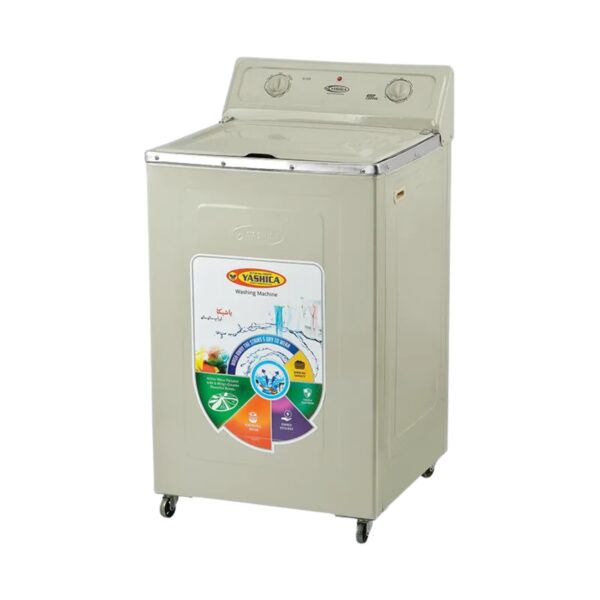
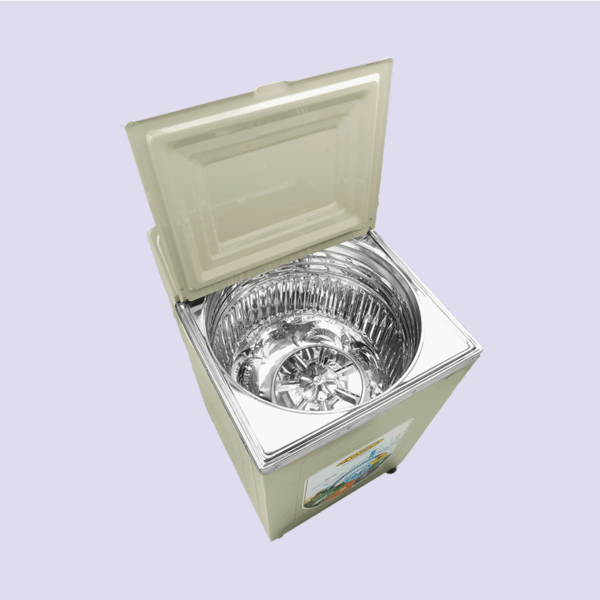
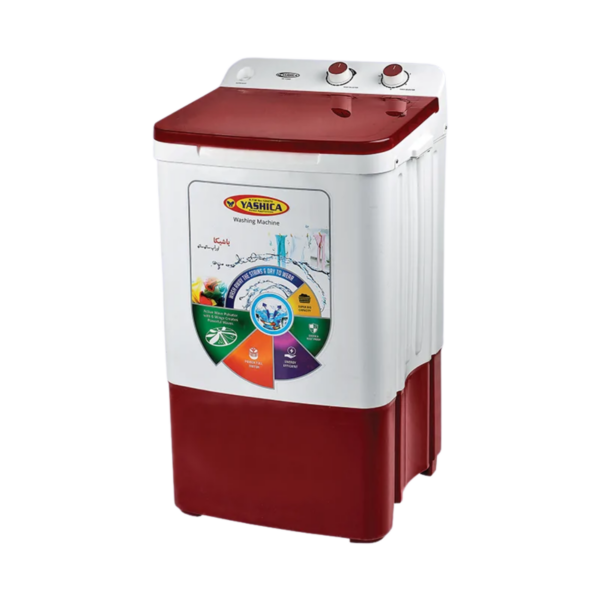
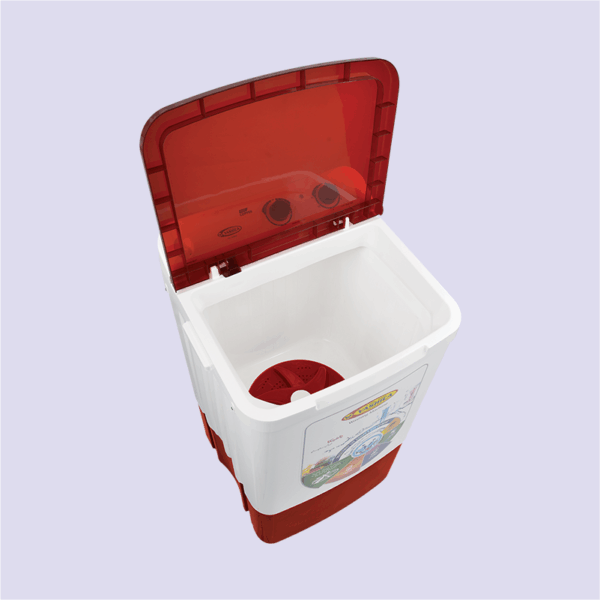
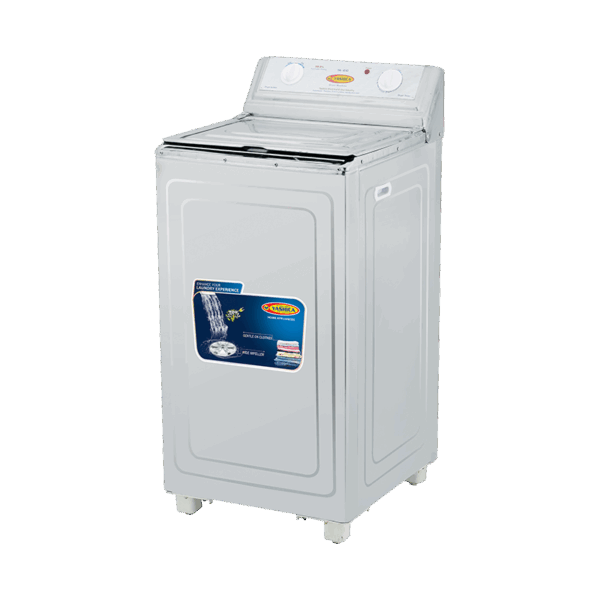
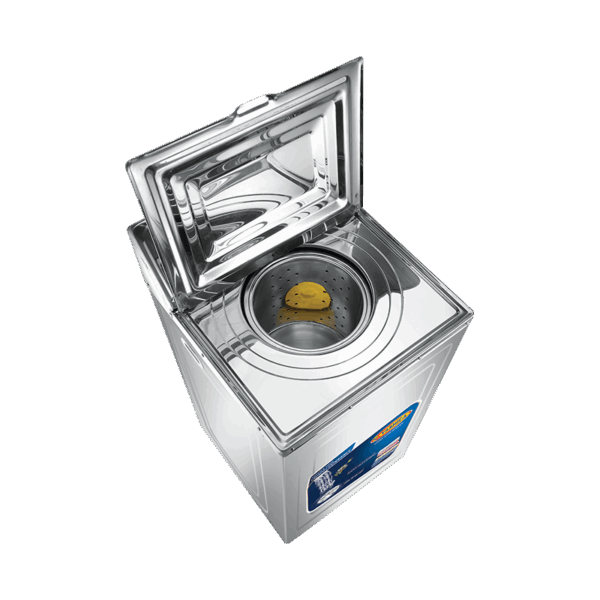
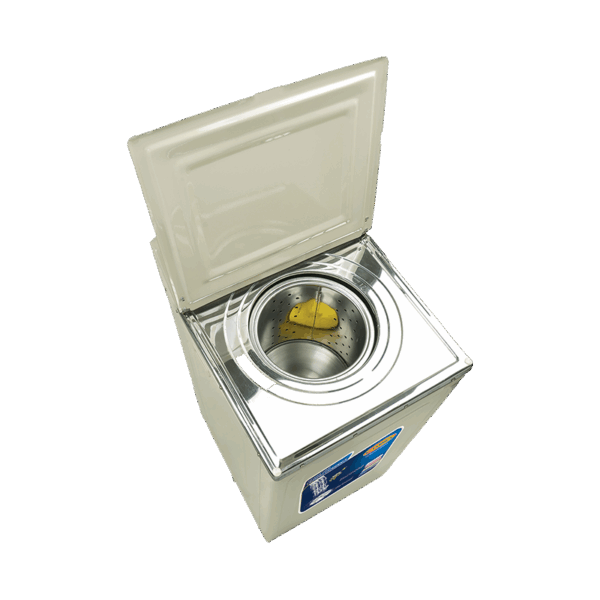
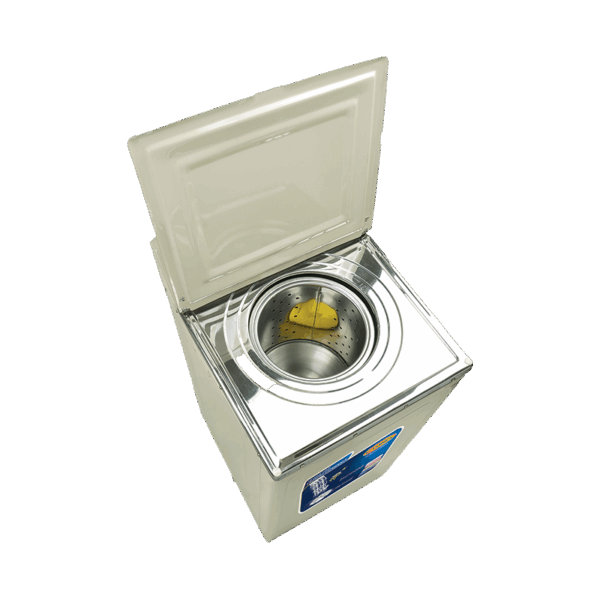
Yashica’s dryer machine category currently includes models described with 10-inch or 12-inch spinning capacities. The YA-300 is listed at 10 inches, while the YA-350 is listed at 12 inches. These are not kg ratings.
Before comparing a Yashica model with a 7kg, 8kg or 10kg product from another listing, ask for the official practical-load guidance. Avoid creating a mathematical conversion between basket diameter and laundry weight.
Capacity decision checklist
- How many people live in the home?
- How many loads are completed each week?
- Are towels and bedding washed at home?
- Does the family wash daily or on one fixed day?
- Is monsoon drying a major problem?
- How much floor and lid-opening space is available?
- Does the product page clearly state kg capacity?
- Can the seller provide the manual or rating information?
For broader household planning, review Yashica’s washing machine capacity guide. It explains how family size, bedding and washing frequency affect capacity decisions.
Common capacity mistakes
Buying only for the largest number
A bigger capacity is not automatically better if the appliance is difficult to place or is usually run with one heavy item.
Comparing different rating systems as if they are identical
Kg, inches, litres and basket dimensions do not describe the same thing. Compare like with like.
Ignoring wet weight
Wet towels and jeans can become extremely heavy. Follow the rated dry-load guidance and loading instructions.
Overloading to save electricity
An overloaded cycle can become unbalanced and may need to be repeated. Efficient use means a suitable, evenly distributed load.
Frequently asked questions
Is 7kg enough for a family of four?
It may be enough for frequent light loads, but families washing towels, uniforms and bedding may prefer more capacity. Review weekly laundry volume rather than family size alone.
Is 8kg much bigger than 7kg?
The numerical difference is 1kg of stated capacity, but practical basket shape and appliance design also matter. Inspect the actual product and manual.
Can a 10kg dryer handle a blanket?
Only if the manufacturer permits that blanket type and the load can balance safely. A bulky item may be unsuitable even when its dry weight appears within the rating.
Does Yashica sell 7kg, 8kg and 10kg dryers?
The audited Yashica dryer pages reviewed for this guide use 10-inch and 12-inch spinning-capacity descriptions rather than kg labels. Check the live category for updates.
Can I convert a 12-inch spinner to kg?
No reliable conversion should be made without manufacturer data because basket size alone does not define safe laundry weight.
Where can I confirm Yashica capacity?
Use the official product page and contact the Yashica support team with the exact model number.
Conclusion
A 7kg dryer may suit light frequent loads, 8kg may provide a middle option and 10kg may be more practical for larger family laundry. However, only compare verified manufacturer ratings. For Yashica spin dryers, use the listed inch capacity and request practical-load guidance instead of inventing a kg conversion.