






Honeycomb Pads vs Grass Pads: Which Gives Better Cooling?
Cooling pads are the part of an evaporative cooler where water meets incoming hot air. Honeycomb pads and traditional grass or wood-wool pads can both cool effectively when clean, evenly wet and used with good ventilation. Their main differences are water retention, airflow resistance, maintenance, replacement cost and consistency.
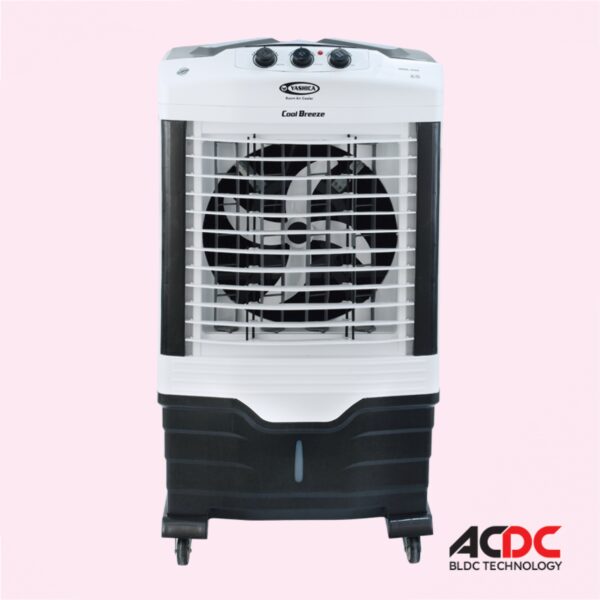
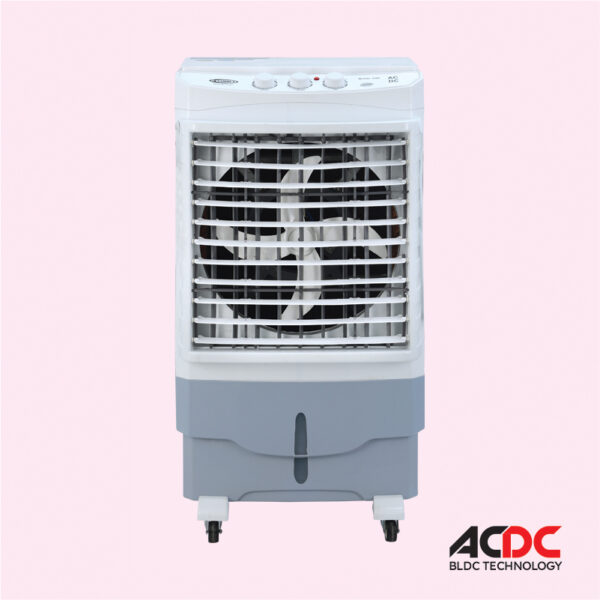
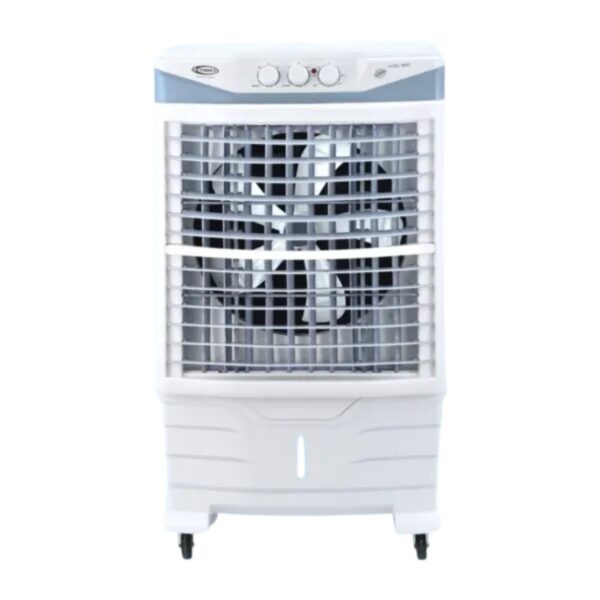
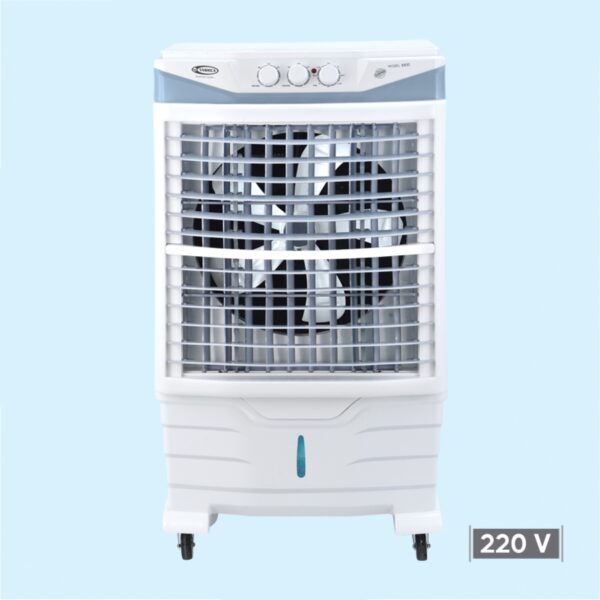
Yashica’s audited room-cooler pages list high-efficiency honeycomb evaporative pads. The YA-3500-RC-AC/DC, YA-8400-RC-AC/DC, YA-8400-RC and YA-8800-RC also list a 2-inch cooling-pad specification. Yashica product pages reviewed for this article do not list a grass-pad model.
Honeycomb pads vs grass pads
| Factor | Honeycomb pads | Grass or wood-wool pads |
|---|---|---|
| Water retention | Designed to hold water evenly through structured channels | Depends on how tightly and evenly material is packed |
| Cooling consistency | Usually more uniform when clean | Can cool strongly but may develop dry gaps |
| Air resistance | Depends on density and thickness | Depends heavily on packing thickness |
| Cleaning | Rinsing and descaling require care | Material is often replaced rather than deeply cleaned |
| Initial cost | Usually higher | Usually lower |
| Replacement | Less frequent when maintained | May require seasonal repacking or replacement |
How honeycomb pads work
Honeycomb media uses shaped channels to create a large wet surface. Water is distributed across the top and travels downward while air passes through. Correct pump flow is essential because dry areas reduce cooling and can allow dust through.
How grass pads work
Traditional khass or wood-wool material creates an irregular wet surface. Fresh, evenly packed material can provide good evaporation, especially in dry climates. Loose or compacted sections can create uneven airflow.
Which gives better cooling?
No pad type is automatically better in every installation. Honeycomb pads generally provide more consistent wetting and easier repeatable performance. Fresh grass pads can perform well but require more frequent inspection and repacking. Fan airflow, pad area and outdoor humidity can make a larger difference than material alone.
Pakistan climate considerations
Hot and dry cities
Evaporative cooling is strongest when outdoor air is dry. Both pad types can work, but the system must bring fresh air into the room and allow humid air to escape.
Monsoon humidity
Neither pad type can overcome high humidity. Run the fan without the pump when additional moisture makes the room uncomfortable.
Dusty environments
Honeycomb channels and grass fibres can both trap dust. Use a clean intake area and inspect pads regularly.
Hard water
Mineral scale can block honeycomb channels and stiffen grass material. Drain old tank water and follow approved cleaning guidance.
Maintenance comparison
Honeycomb-pad care
- Rinse gently from the clean side.
- Do not use a pressure washer.
- Remove mineral deposits with an approved method.
- Allow pads to dry before seasonal storage.
- Replace when the structure collapses or remains clogged.
Grass-pad care
- Remove old compacted material.
- Clean the frame and water-distribution holes.
- Pack new material evenly without blocking airflow.
- Keep fibres away from the pump intake.
- Replace when odour, rot or uneven wetting persists.
Pad thickness and airflow
Yashica lists 2-inch cooling pads on the audited models. Thickness should be matched to the cooler’s fan and water-distribution system. Adding a thicker pad than the design allows can restrict airflow and overload the pump or motor.
Signs the pad is reducing cooling
- Dry vertical areas
- Strong odour
- Visible scale
- Airflow becomes weak
- Water runs down one side only
- Dust passes through into the room
Before replacing pads, check the pump and top water-distribution pipe. A good pad cannot cool if it is not receiving water.
Yashica’s cooling-efficiency article covers pad cleaning, ventilation and pump checks. The extreme-summer air-cooler guide provides broader feature comparisons.
Electrical safety: Switch the cooler or fan off and disconnect its supply before cleaning, checking wiring, moving the appliance or working near water. Do not use wet plugs, loose extensions, undersized solar wiring or improvised battery connections. Burning smells, hot plugs, repeated tripping or damaged cables require a qualified electrician or technician.
Frequently asked questions
Are honeycomb pads always colder than grass pads?
Not always. Cooling depends on pad wetting, airflow, pad area, outdoor humidity and maintenance.
Which pad lasts longer?
Honeycomb pads often last longer when cleaned carefully, while grass material is commonly replaced more frequently.
Can I replace grass pads with honeycomb pads?
Only when the cooler frame, pump and fan are designed for the new pad’s thickness and airflow resistance.
Do Yashica coolers use honeycomb pads?
The audited Yashica cooler pages list high-efficiency honeycomb evaporative pads.
What thickness do Yashica pages list?
The reviewed YA-3500 and YA-8400 AC/DC pages and regular YA-8400/YA-8800 pages list 2-inch cooling pads.
Why is only part of the pad wet?
The pump may be weak, the water-distribution holes may be blocked or the cooler may not be level.
Conclusion
Choose honeycomb pads for more consistent structure and lower routine replacement, or grass pads when lower initial cost and seasonal repacking are acceptable. The best cooling comes from clean pads, even water distribution, strong airflow and proper ventilation.