







How Much Electricity Does a Dryer Machine Use in Pakistan?
Electricity cost is one of the first questions Pakistani buyers ask before adding another laundry appliance. The correct answer cannot be calculated from the words “dryer machine” alone. Electricity consumption depends on the actual wattage printed on the appliance, the number of minutes it runs, how often it is used and whether the machine is overloaded or operating under poor voltage conditions.
Yashica’s audited dryer pages describe models as energy-saving, but the pages reviewed for this article did not publish wattage. For an accurate figure, check the electrical rating label on the unit or request model-specific information through Yashica’s official support page.
The basic electricity formula
Electricity is billed in kilowatt-hours, commonly called units in Pakistan.
Electricity used in kWh = appliance watts ÷ 1,000 × operating hours
Example: if a machine’s rating plate says 300 watts and it runs for 15 minutes:
- 300 ÷ 1,000 = 0.3 kW
- 15 minutes = 0.25 hour
- 0.3 × 0.25 = 0.075 kWh
This is an illustrative calculation, not a Yashica product specification. Replace 300 watts and 15 minutes with the actual values for your appliance.
How to estimate monthly dryer electricity consumption
| Input | Where to find it | Example only |
|---|---|---|
| Wattage | Rating plate, manual or verified manufacturer response | 300 W |
| Minutes per cycle | Your normal use | 15 minutes |
| Cycles per week | Household laundry routine | 5 cycles |
| Weeks per month | Planning estimate | 4.3 weeks |
| Monthly kWh | Formula result | About 1.61 kWh |
To estimate cost, multiply monthly kWh by the effective per-unit amount on your latest electricity bill. Pakistani bills can include slabs, taxes, fuel adjustments and other charges, so a simple advertised tariff may not match the final effective cost.
Spin dryer vs heat dryer electricity use
A high-speed spin dryer removes water mechanically and normally runs for a short period. A heat-based tumble dryer uses a different drying process and may operate much longer. Do not compare the two by name alone. Check appliance type, watts and cycle duration.
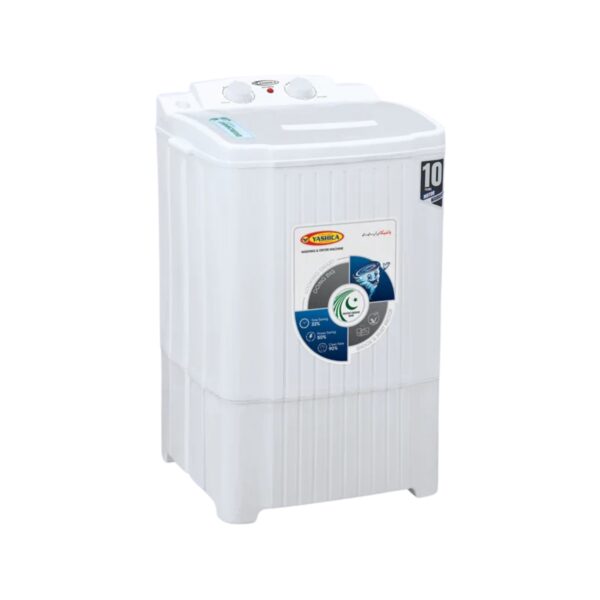
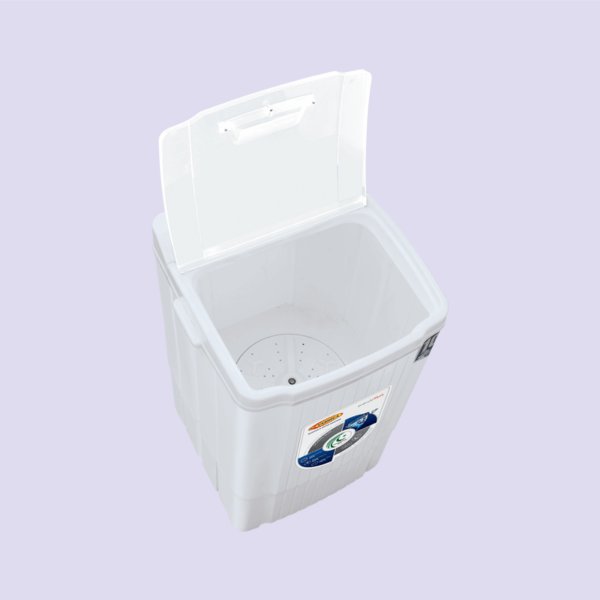
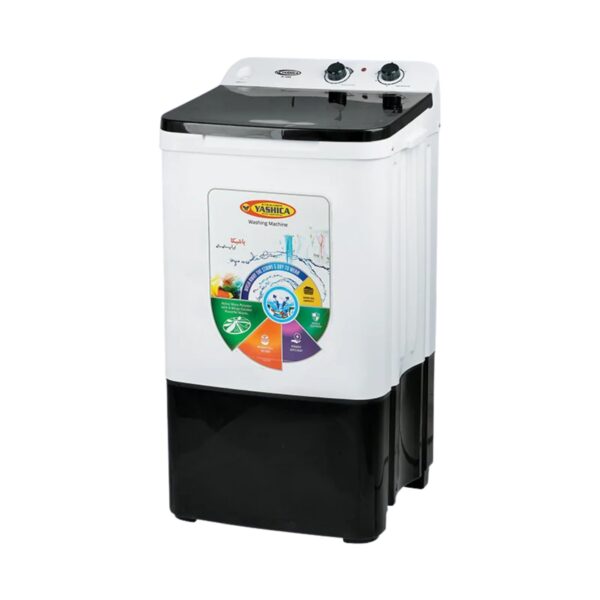
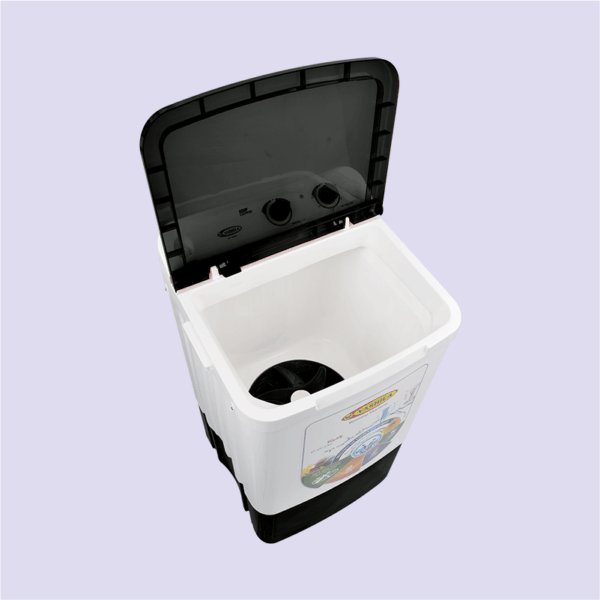
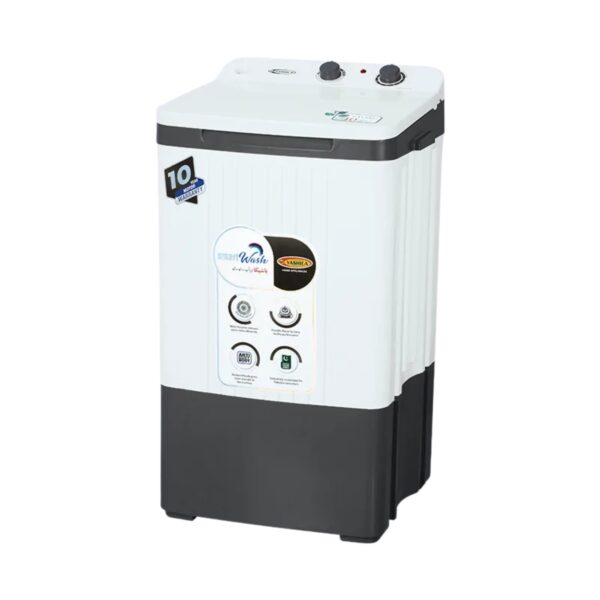
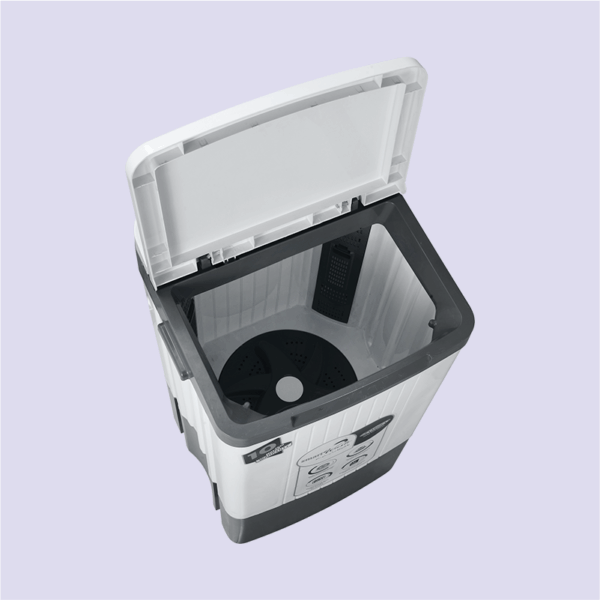
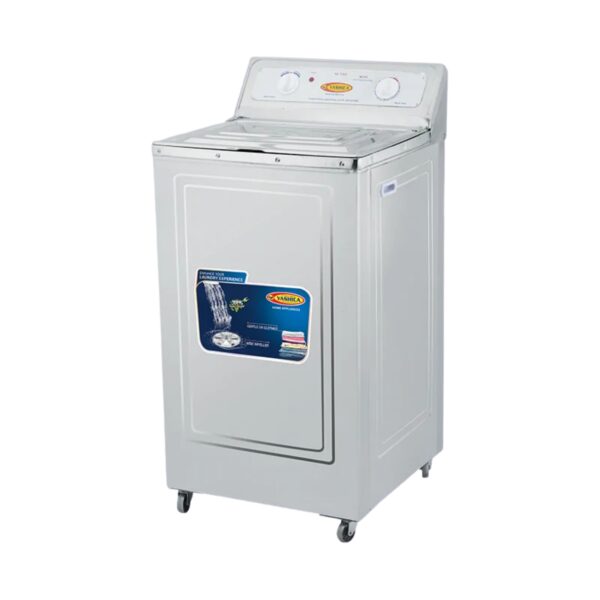
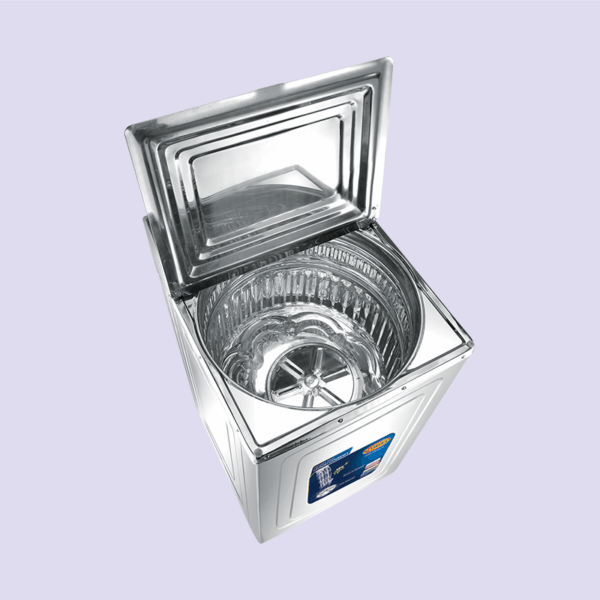
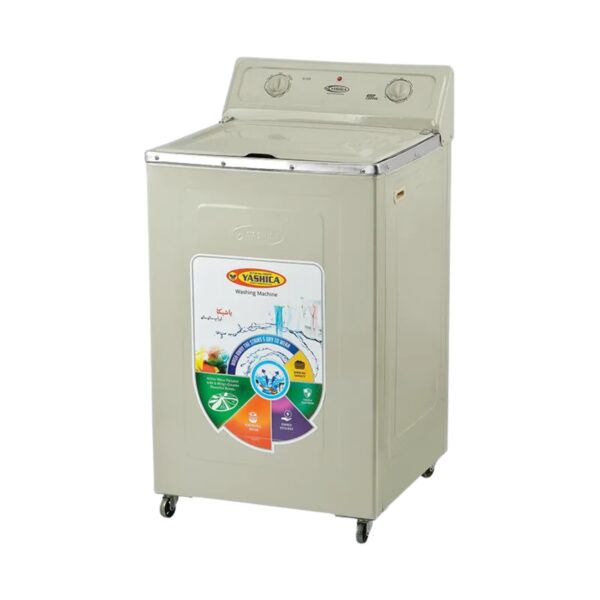
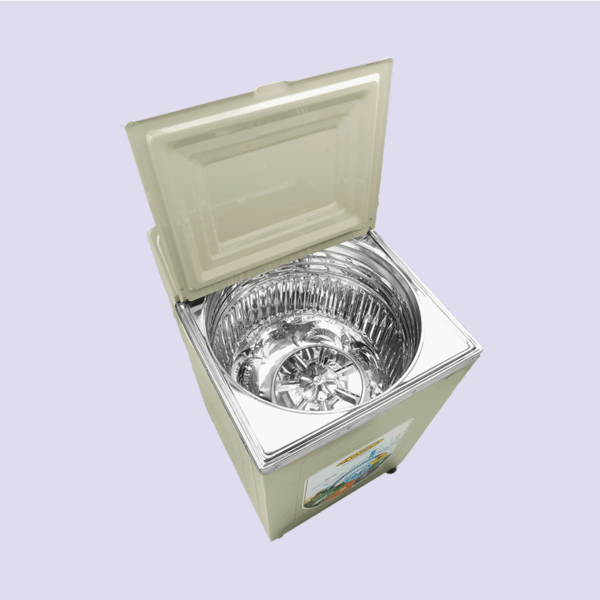
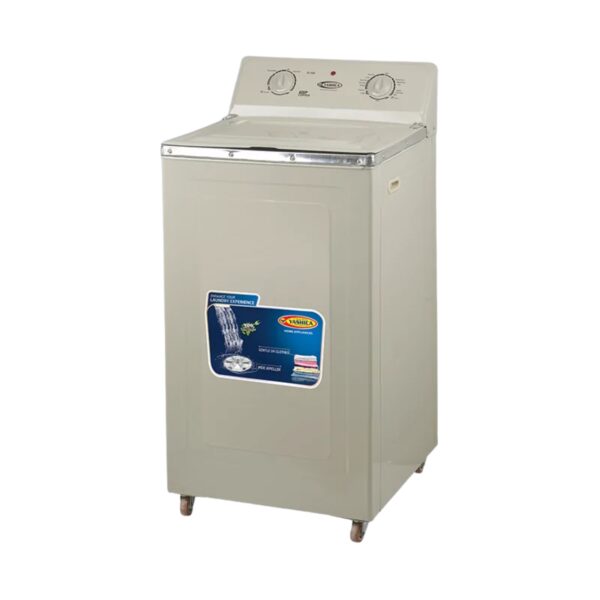
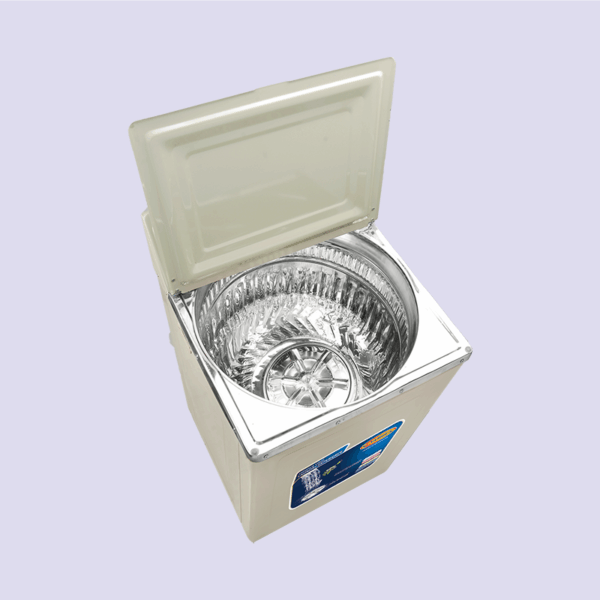
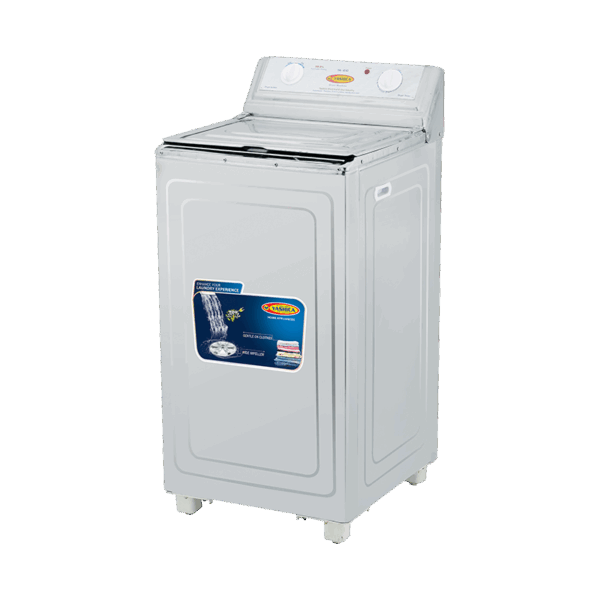
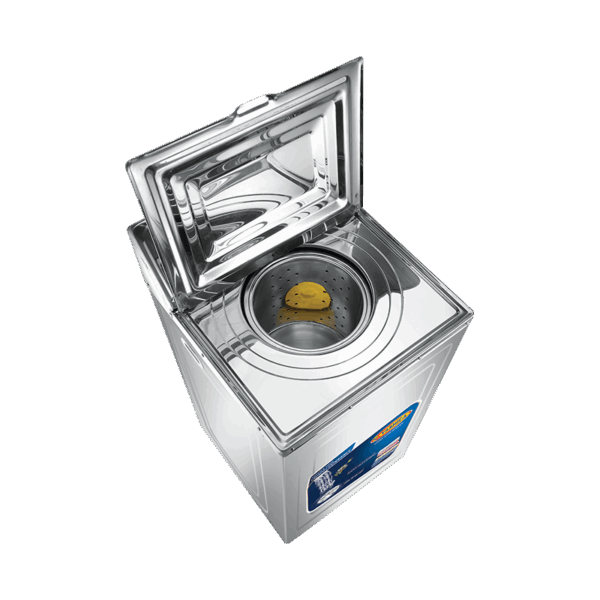
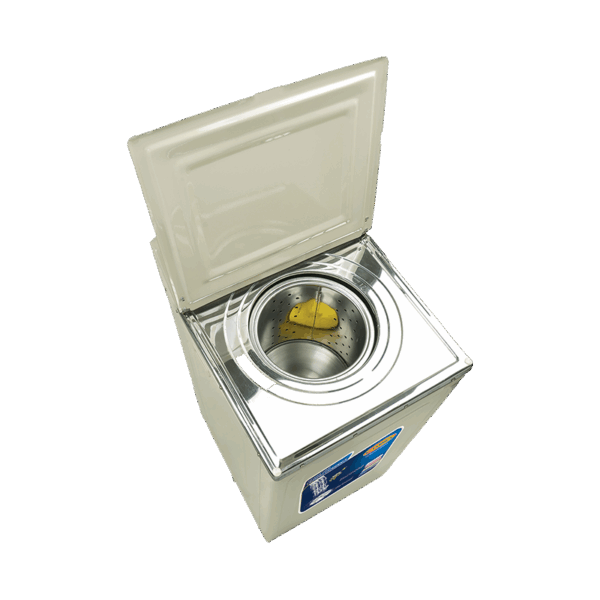
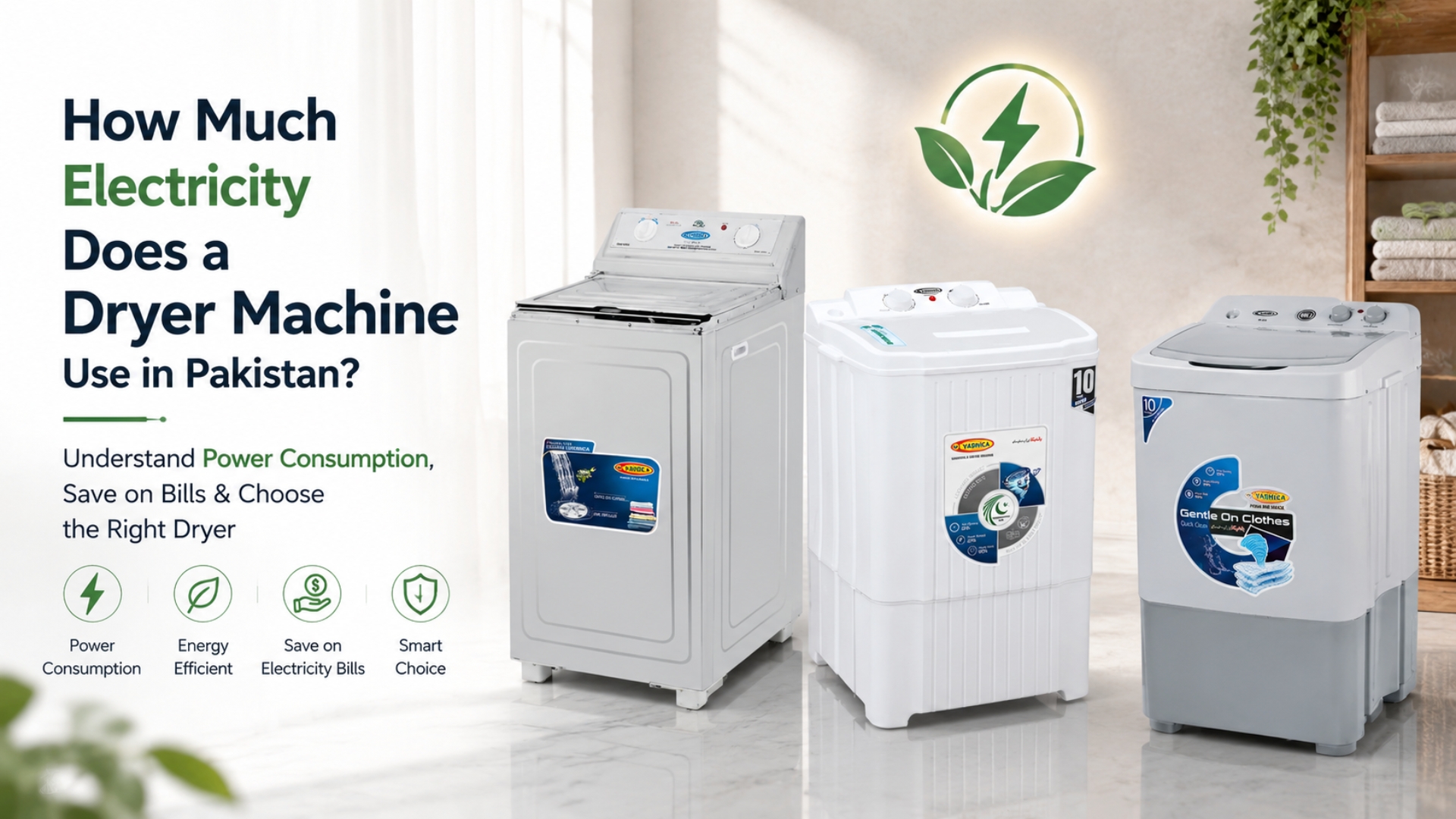
Yashica’s dryer machine category currently focuses on spin-dryer style products. The YA-300 product page lists a 10-inch spinning capacity and the YA-500 product page lists a 12-inch spinning capacity with a space-saving plastic body. Their audited online pages do not state wattage, so electricity calculations must use the physical label or verified documentation.
What increases electricity use?
Running too many small cycles
Five poorly planned cycles may use more energy and time than two well-balanced cycles. Combine suitable items without exceeding capacity.
Overloading
An overloaded basket may become unbalanced, take longer to drain and place extra stress on the appliance. Stop if the machine shakes abnormally.
Repeating cycles unnecessarily
Running the spinner again because clothes were unevenly loaded wastes time and electricity. Arrange items evenly before starting.
Low voltage and weak connections
Low voltage can reduce performance and increase motor stress. Do not use loose plugs, thin extension leads or overloaded sockets. Ask a qualified electrician to inspect recurring voltage issues.
Blocked drainage
If water cannot leave freely, clothes may remain wetter and users may repeat the cycle. Keep the drain pipe straight, clean and lower than the outlet where the manual requires it.
Practical energy-saving habits
- Use the shortest effective spin duration stated in the manual.
- Balance the load before switching on.
- Keep the basket and drain path clean.
- Do not operate the machine empty for long periods.
- Plan laundry around stable power availability.
- Air-dry clothes immediately after spinning.
- Record the wattage and normal minutes per cycle for future calculations.
For broader household savings, read Yashica’s guide on using home appliances efficiently to lower electricity bills. The energy-efficient washing machine guide is also useful when planning the complete laundry process.
Pakistan-specific example
Suppose a Gujranwala family washes uniforms and daily clothes five times a week. The family should not guess the dryer’s cost from its purchase price. They should photograph the rating plate, note average run time and calculate kWh. During monsoon season, cycles may increase; during dry summer weather, fewer repeat spins may be needed.
A household with solar power should still check wattage and startup requirements. Solar availability does not remove the need for a safe connection or balanced loading.
Frequently asked questions
How many units does a dryer machine use?
Use the wattage and runtime formula. Without the model’s wattage, a reliable unit estimate is not possible.
Does a larger dryer always use more electricity?
Not necessarily. Consumption depends on wattage, cycle length and number of cycles. A larger basket may reduce batches, but only if loads remain balanced and within capacity.
Can I calculate cost using the price per unit from Google?
Your electricity bill is a better reference because tariffs and adjustments can vary. Divide the relevant bill amount by billed units for a rough effective rate, or use the current official tariff structure.
Does low voltage increase the bill?
Low voltage can affect motor performance and may lead to longer or repeated operation. More importantly, it can stress the appliance. Seek professional electrical advice for persistent voltage problems.
Is a spin dryer cheaper to run than a tumble dryer?
A short mechanical spin cycle often uses a different energy profile from a long heated drying cycle, but compare actual wattage and runtime rather than relying on the category name.
Where can I find a Yashica dryer’s wattage?
Check the physical rating label and manual or ask Yashica through the official contact page before purchase.
Conclusion
To calculate dryer machine electricity consumption in Pakistan, use verified wattage, operating time and cycle frequency. Avoid unsupported estimates. A balanced load, clear drain and sensible laundry schedule can reduce repeated cycles and make electricity use easier to control.