







Single Tub vs Twin Tub Washing Machine: Cost and Usage Comparison
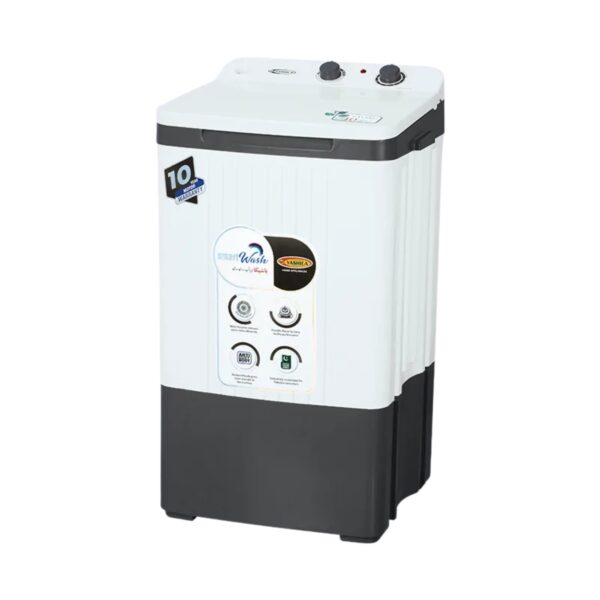
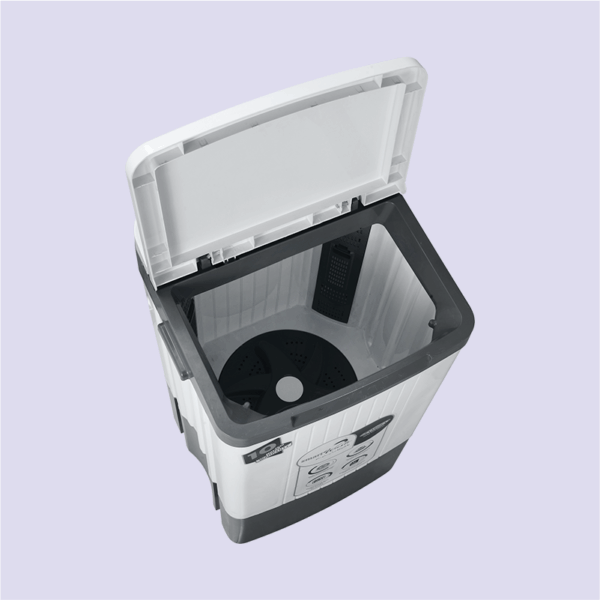
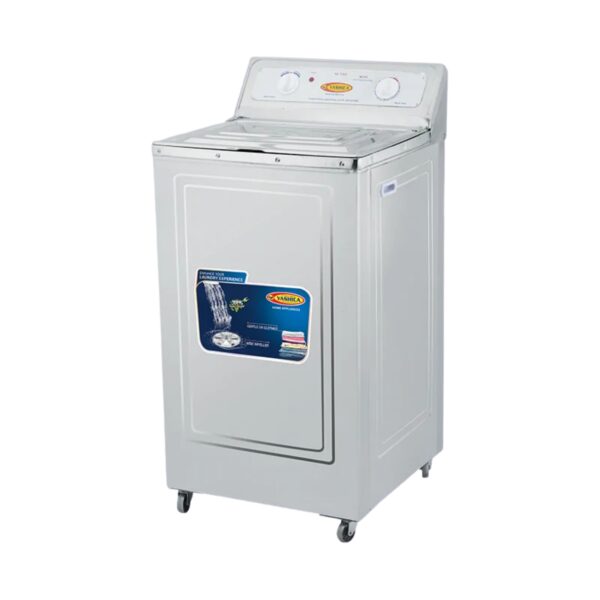
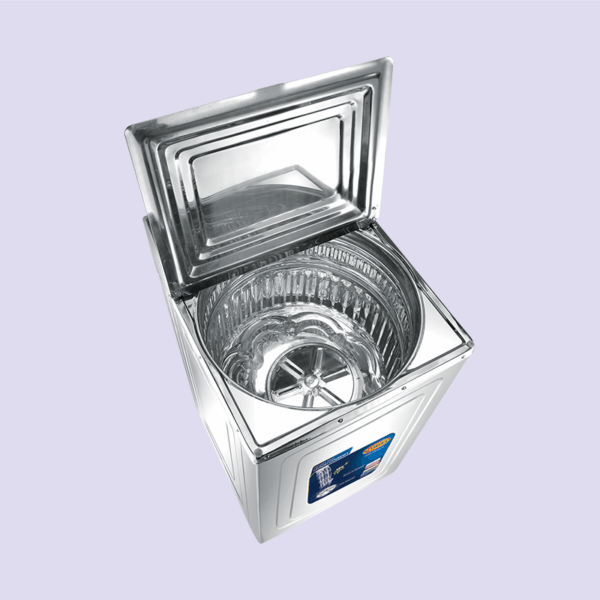
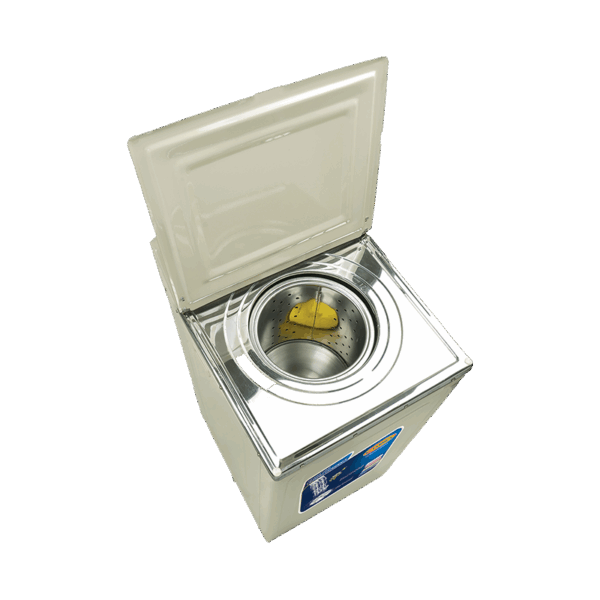
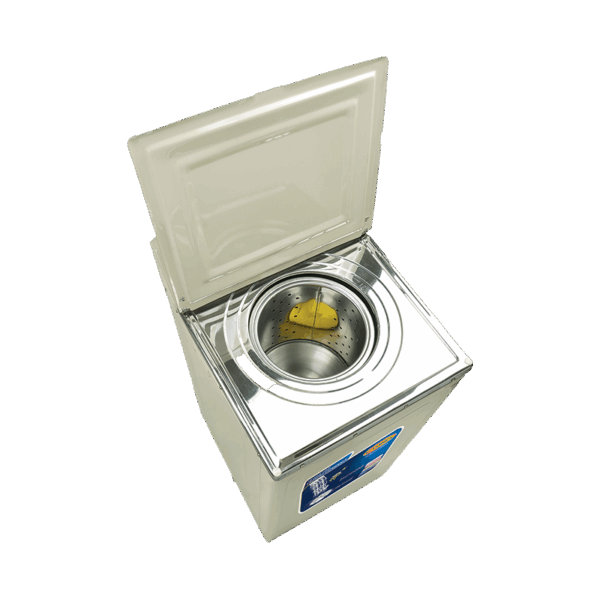
Single-tub and twin-tub washing machines are both common in Pakistan because they give households direct control over water, wash time and laundry workflow. The main difference is simple: a single-tub washer handles washing in one tub and normally needs a separate spinning or drying solution, while a twin-tub machine has a wash tub and a separate spinner in the same body.
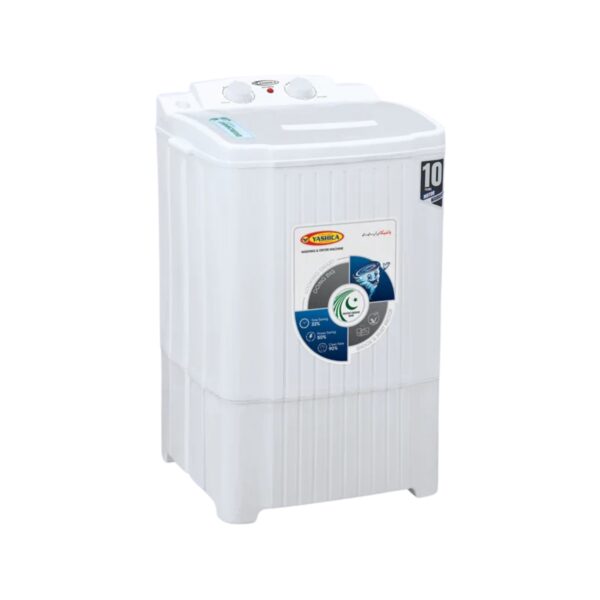
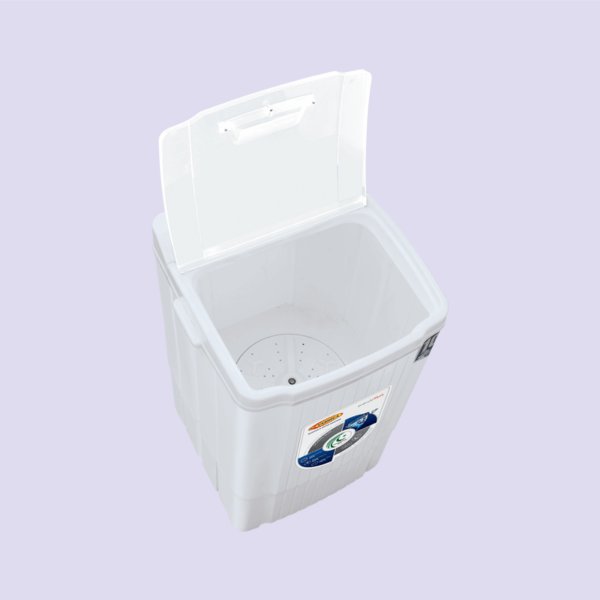
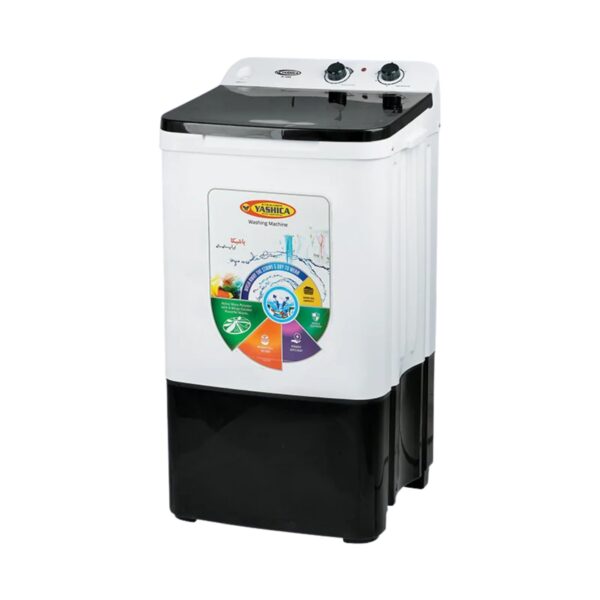
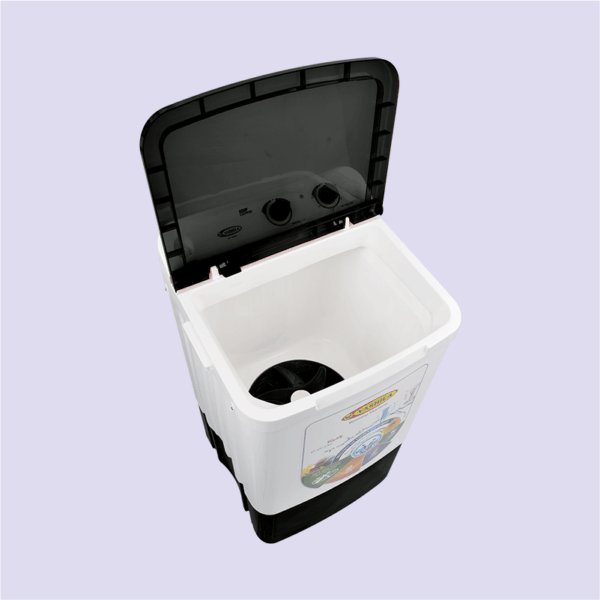
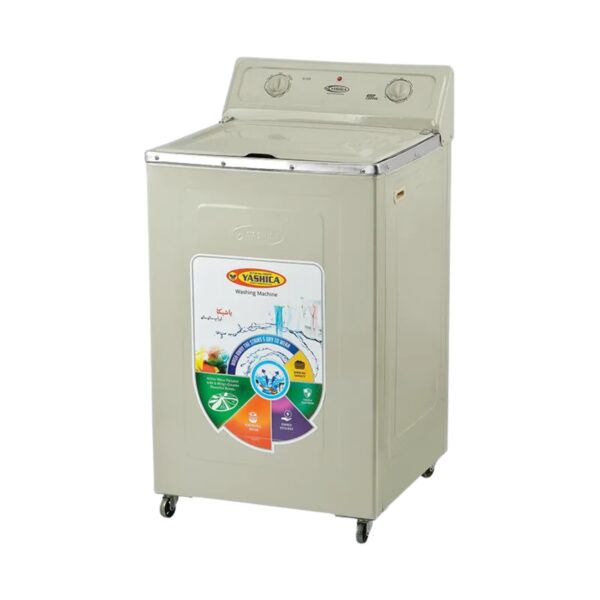
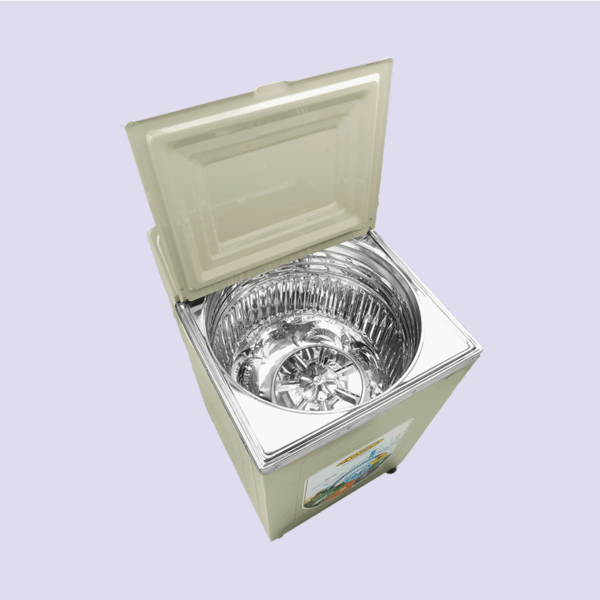
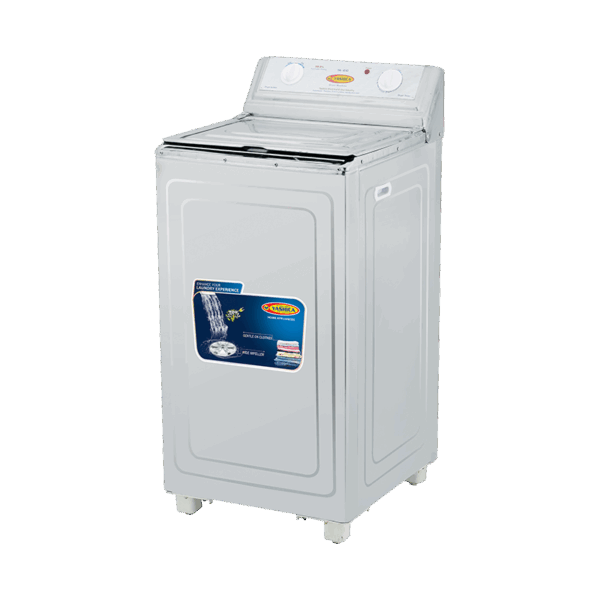
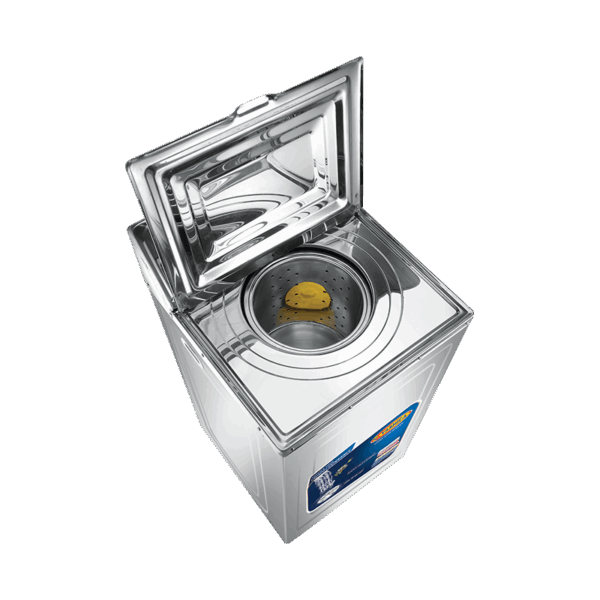
Yashica’s current washing machine category publishes washing capacity, body material and pulsator details for its listed models, but the audited product descriptions do not consistently label every model as single tub or twin tub. Confirm the actual configuration from product images, the manual or the seller before ordering.
Single tub vs twin tub washing machine comparison
| Factor | Single tub washer | Twin tub washer |
|---|---|---|
| Main function | Washing and rinsing in one tub | Washing in one tub and spinning in another |
| Purchase cost | Usually lower for comparable capacity | Usually higher because a spinner is included |
| Floor width | Often narrower | Usually wider |
| Workflow | Needs line drying or a separate spinner | Clothes are transferred to the spin tub |
| Water control | Direct manual control | Direct manual control |
| Maintenance | Simpler mechanism | More components and two tub areas |
When a single-tub washer is a better choice
- The purchase budget is limited.
- The laundry area is narrow.
- The family already owns a separate spin dryer.
- Clothes are normally dried in strong sun.
- The user prefers a simpler machine with fewer moving systems.
A 10kg model such as the YA-1000-WM can provide a useful washing-capacity reference, but its official page should be checked carefully for the exact tub configuration before it is compared with a twin-tub model.
When a twin-tub washer is more practical
- The family wants washing and spinning in one appliance body.
- Monsoon or winter drying is a regular problem.
- Several loads are washed on the same day.
- The laundry area has enough width.
- The household is comfortable transferring wet clothes manually.
Cost comparison beyond the price tag
Initial purchase
A single-tub machine usually has fewer components, which can make it more affordable. A twin tub includes a spinner, so the initial cost may be higher.
Separate dryer cost
A single-tub buyer who later purchases a separate spinner should compare the combined cost and floor space. Yashica’s dryer machine category can be used to compare that second-appliance route.
Water and electricity
Both types allow manual control over water. Electricity depends on the actual motor ratings, minutes of washing and spinning, and number of cycles. The audited Yashica washing-machine pages do not publish wattage, so a model-specific cost comparison requires the rating label.
Repair and maintenance
A single-tub system has fewer functions in one body. A twin tub contains separate wash and spin mechanisms, which can add convenience but also more parts to maintain.
Pakistan-specific usage examples
Small rented home
A single-tub washer may be easier to place, drain and move. A separate compact spinner can be added later if needed.
Family with school uniforms
A twin tub can wash the next load while the first load is spinning, depending on the model’s instructions. This can shorten a busy laundry day.
Low-water-pressure home
Both semi-automatic styles can often be filled manually, reducing dependence on automatic inlet valves. Confirm the model’s inlet and drainage method.
Monsoon household
A twin-tub spinner or separate dryer removes more water before clothes are hung indoors. Ventilation remains important.
How this differs from automatic vs semi-automatic
Single tub versus twin tub compares the physical semi-automatic layout. Fully automatic versus semi-automatic compares the level of user involvement. Read Yashica’s fully automatic vs semi-automatic washing-machine guide for that separate decision.
The budget washing machines under Rs. 50,000 guide also discusses how single and twin tubs fit the Pakistani market.
Buying checklist
- Confirm whether the model includes a spin tub.
- Compare the combined space of a washer and separate dryer.
- Measure doorways and drain access.
- Check washing and spinning capacities separately.
- Ask for wattage and operating instructions.
- Compare the number of weekly loads.
- Confirm current stock on the live page.
Frequently asked questions
Does a single-tub washer spin clothes?
Some designs may offer limited spin functions, but many basic single-tub washers are primarily for washing. Confirm the exact model.
Is a twin tub fully automatic?
No. A twin tub is usually semi-automatic because clothes must be transferred between tubs.
Which type saves more space?
A single tub is often narrower, but adding a separate spinner can use more total floor space.
Which type is better during monsoon?
A twin tub with a strong spinner is convenient, while a single tub can be paired with a separate spin dryer.
Which one uses less water?
Both allow manual water control. Actual use depends on tub size, water level, rinsing method and user habits.
Where can I compare Yashica models?
Browse the official category or visit the Yashica store locations page to inspect the tub configuration.
Conclusion
Choose a single-tub washer for lower cost, simpler operation and a narrower footprint. Choose a twin tub when integrated spinning and faster laundry workflow justify the extra width and components. Verify the exact model configuration rather than relying on a product photo or category label alone.