






AC/DC Air Cooler for Load Shedding: Complete Buying Guide
Load shedding can make a normal 220V air cooler useless during the hottest part of the day. An AC/DC air cooler solves this problem only when its supply mode, battery arrangement, solar compatibility and actual electrical rating match the household setup. The label “AC/DC” should not be treated as a guarantee that every battery, UPS or solar panel can run the appliance directly.
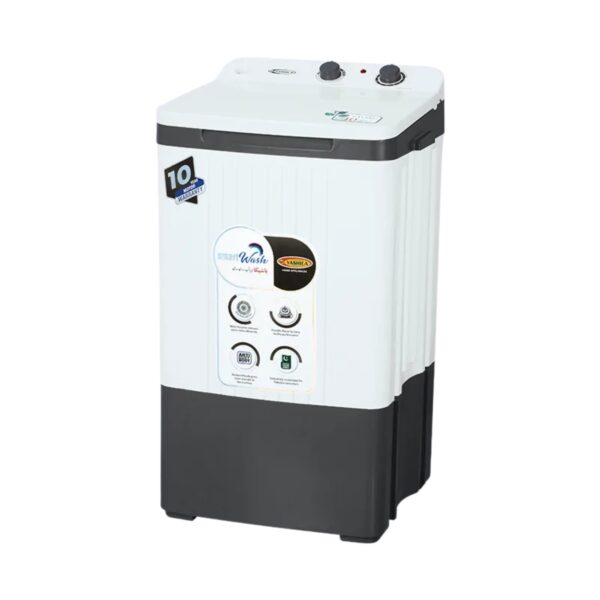
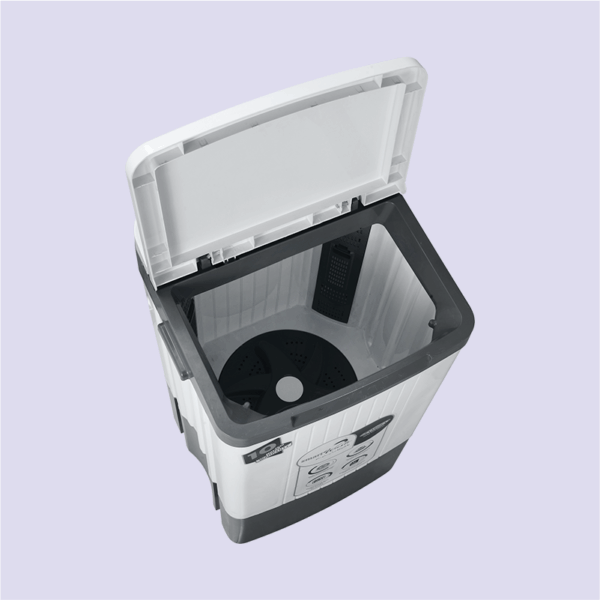
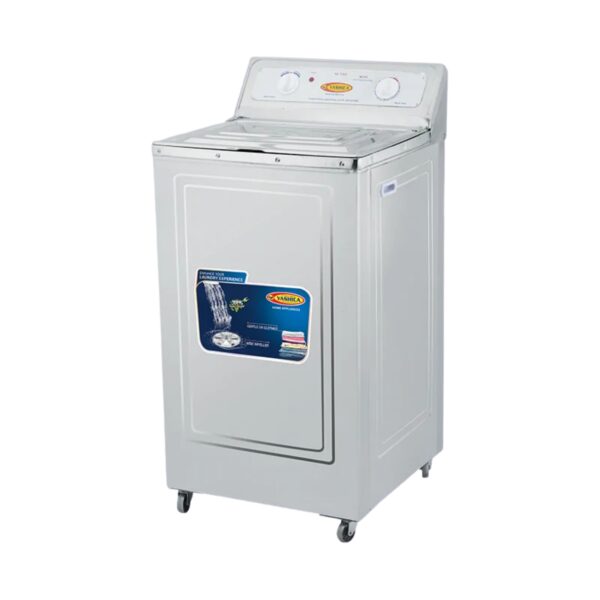
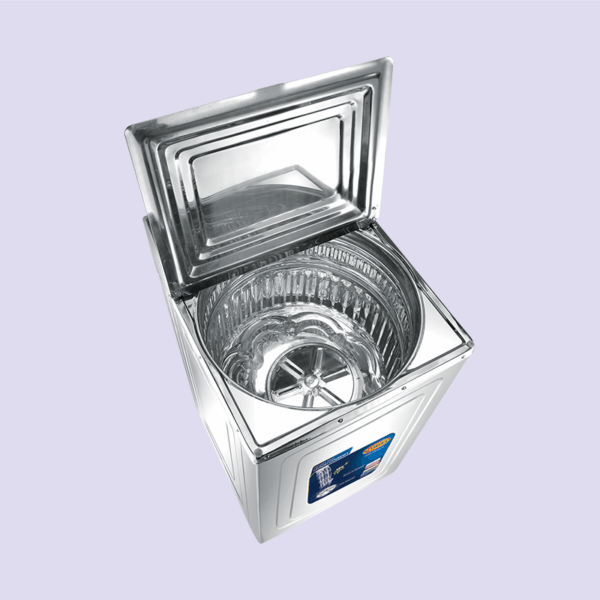
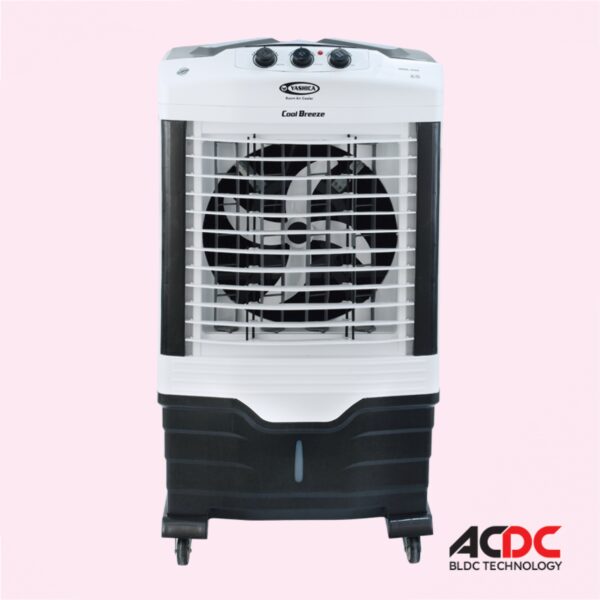
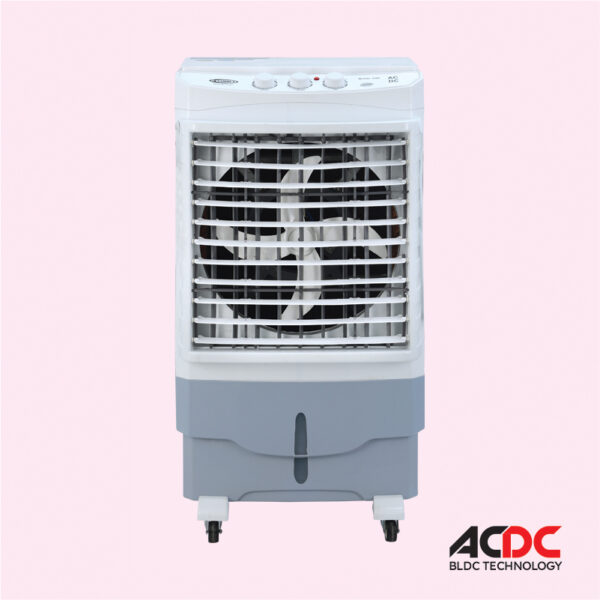
Yashica currently lists two models in its AC/DC inverter air-cooler category. The YA-3500-RC-AC/DC and YA-8400-RC-AC/DC both list a built-in supply converter, DC converter, solar operation, honeycomb evaporative pads, 2-inch cooling pads, re-freezable ice packs, a float valve and a large water-tank description. Their product pages do not publish watts, amps, battery voltage or expected backup time.
AC, DC and AC/DC air coolers explained
| Cooler type | Normal supply | Load-shedding planning |
|---|---|---|
| Regular AC cooler | Household mains or a correctly sized UPS/inverter | Requires inverter and battery capacity based on verified watts |
| 12V DC cooler | Approved 12V DC source | Can reduce conversion losses, but wiring and current rating are critical |
| AC/DC cooler | Mains plus an approved DC or converted backup route | Offers supply flexibility when the exact connection method is confirmed |
Why AC/DC can be useful during load shedding
An AC/DC model can remain usable when grid electricity stops, provided it is connected to the correct backup source. This is useful for bedrooms, shops and family lounges where several hours of airflow are needed during summer outages.
The built-in converter listed on Yashica AC/DC models may simplify switching between supported supplies, but buyers should still ask how the model connects to a battery, solar controller or household UPS. Do not assume direct battery connection from the product title alone.
Features to check before buying
1. Verified electrical rating
Ask for watts on AC mode, volts and amps on DC mode and startup requirements. Backup time cannot be calculated without these figures.
2. Battery voltage and chemistry
Confirm whether the cooler is designed for 12V, 24V or another DC system. A lead-acid battery, tubular battery and lithium battery require different usable-depth and charging assumptions.
3. Solar connection method
“Works on Solar” does not necessarily mean the cooler should be connected directly to a panel. The system may require a solar charge controller, battery, inverter or regulated DC output.
4. Fan and water-pump operation
Ask whether both the fan motor and water pump operate in backup mode. A cooler running only its fan will provide airflow but not full evaporative cooling.
5. Water tank and float valve
Yashica’s AC/DC product pages list a large water tank and continuous-water float valve. The litre capacity is not stated, so measure or request the usable tank volume before estimating runtime.
Regular AC cooler comparison
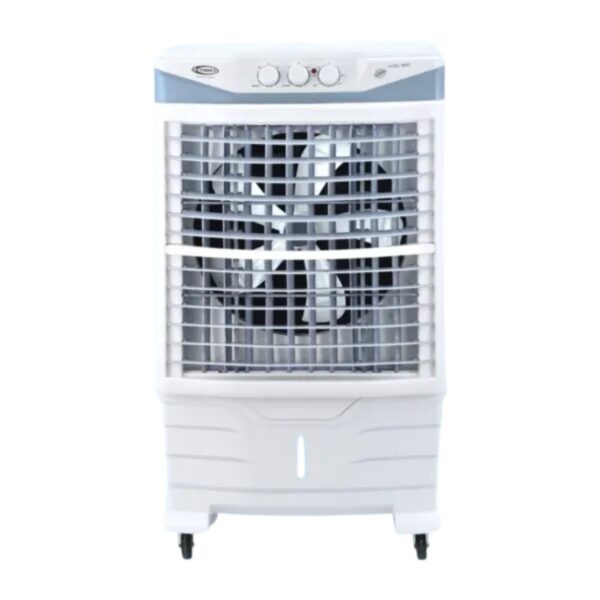
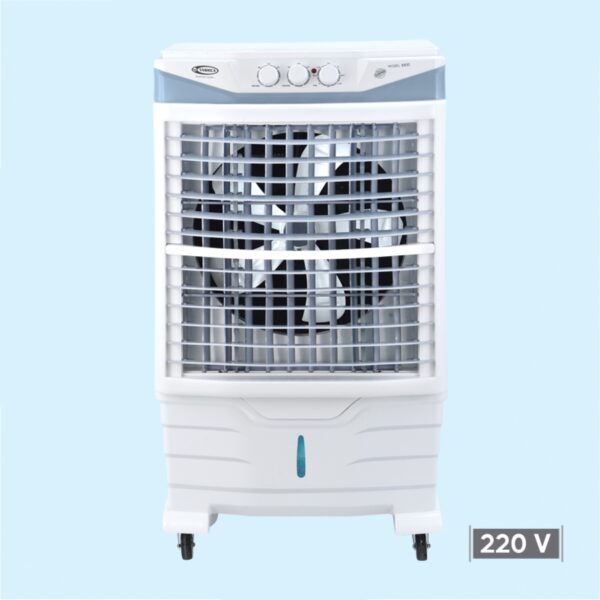
Yashica’s YA-8400-RC regular cooler and YA-8800-RC publish a 220W rating. A regular cooler can still run during load shedding through a suitable inverter and battery, but inverter losses and battery capacity must be included.
| Option | Verified Yashica example | Main planning point |
|---|---|---|
| AC/DC | YA-3500-RC-AC/DC or YA-8400-RC-AC/DC | Confirm DC voltage, amps and switching method |
| 12V DC | YA-3500-RC-DC | Confirm approved 12V wiring and current |
| Regular AC | YA-8400-RC or YA-8800-RC at listed 220W | Size inverter and battery for 220W plus losses |
How to estimate backup time
Use this planning formula only after confirming the real wattage:
Approximate backup hours = usable battery watt-hours ÷ total cooler watts
Battery watt-hours are calculated from volts × amp-hours. Usable watt-hours are lower than the nameplate figure because batteries should not always be fully discharged and inverter or wiring losses consume energy.
For example, a 12V 100Ah battery contains a theoretical 1,200Wh. If only 50% is treated as usable, the planning amount is 600Wh before other losses. This is an illustrative battery example, not a Yashica backup-time claim.
Pakistan-specific buying situations
Short two-hour outages
A correctly sized home UPS may be sufficient when it already supports lights and fans. Add the cooler only after checking the total combined load.
Long rural outages
A dedicated DC or solar-supported system may be more practical. Battery charging time becomes as important as runtime.
Shop or office use
Choose a model with wheels, strong airflow and enough tank capacity for working hours. Yashica AC/DC models list four-way mobility wheels.
Night-time bedroom use
Prioritise low noise, safe wiring and controlled humidity. Keep a window or door partly open for cross-ventilation.
Common mistakes
- Buying from the AC/DC label without checking volts and amps
- Connecting a panel directly without voltage regulation
- Calculating backup using the battery’s full nameplate capacity
- Ignoring the water pump’s electrical load
- Using thin battery wires or loose clips
- Running the cooler in a sealed room
- Assuming a larger cooler automatically provides longer backup
Electrical safety: Switch the cooler or fan off and disconnect its supply before cleaning, checking wiring, moving the appliance or working near water. Do not use wet plugs, loose extensions, undersized solar wiring or improvised battery connections. Burning smells, hot plugs, repeated tripping or damaged cables require a qualified electrician or technician.
For a broader overview of room size and summer features, read Yashica’s air-cooler buying guide for extreme summer. Smaller rooms can also be planned with the portable air-cooler guide.
Frequently asked questions
Can an AC/DC cooler run directly from a battery?
Only when the model instructions approve the battery voltage, polarity, connector and current capacity. Confirm before connection.
Do Yashica AC/DC coolers work on solar?
The audited YA-3500-RC-AC/DC and YA-8400-RC-AC/DC pages state “Works on Solar,” but they do not publish the required panel or battery size.
How long will a battery run an air cooler?
Runtime depends on usable battery watt-hours and total cooler watts. Request the model’s AC and DC electrical ratings first.
Is a DC cooler better than an AC/DC cooler?
A DC cooler may suit a dedicated battery system, while AC/DC offers greater supply flexibility. The correct choice depends on the home setup.
Can the water pump run on backup?
This must be confirmed for the exact model and supply mode.
Where can I compare Yashica AC/DC models?
Browse the official AC/DC category or inspect models through the Yashica store locations page.
Conclusion
An AC/DC air cooler can be a practical load-shedding solution, but only after electrical ratings, battery voltage, pump operation and solar connection are confirmed. Compare verified product features, then size the backup system with a qualified solar or electrical professional.