






Can an Air Cooler Run on Solar? Watts, Battery and Panel Guide
An air cooler can run on solar when the solar system can provide the correct voltage, current and energy for both the fan and water pump. The panel is only one part of the setup. Daytime clouds, startup current, controller losses, battery charging and evening runtime must also be considered.
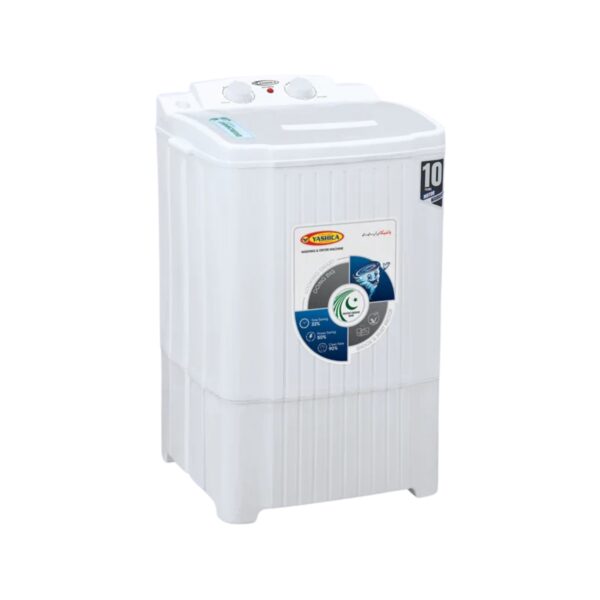
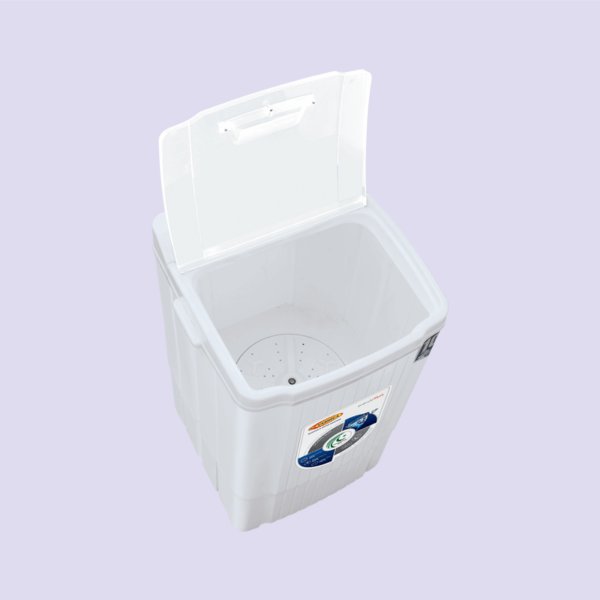
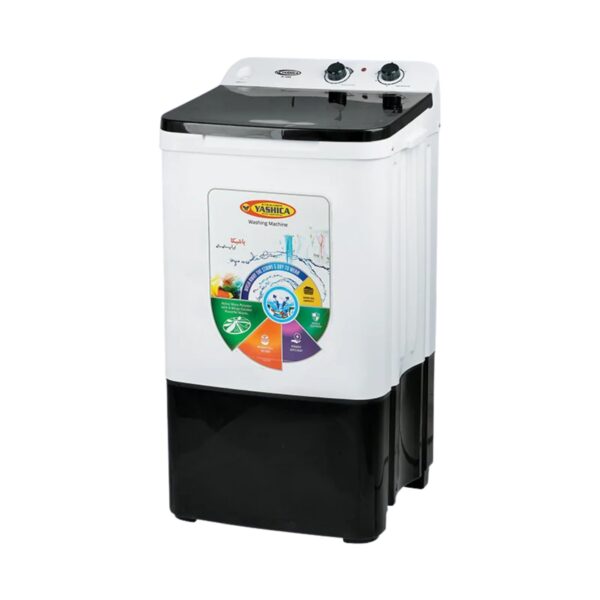
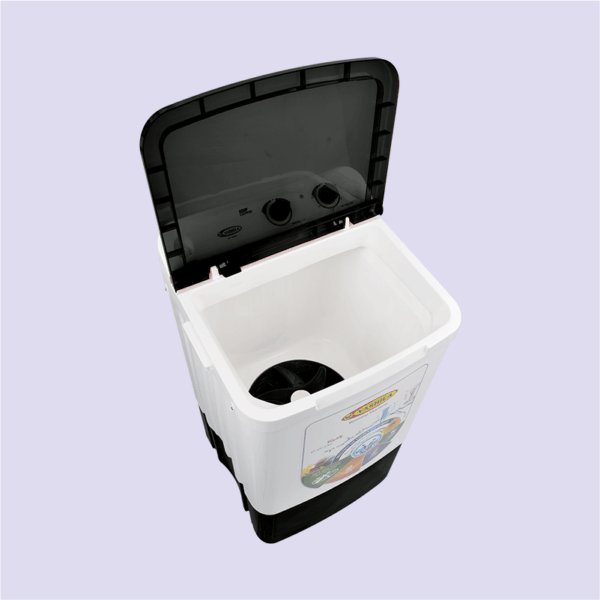
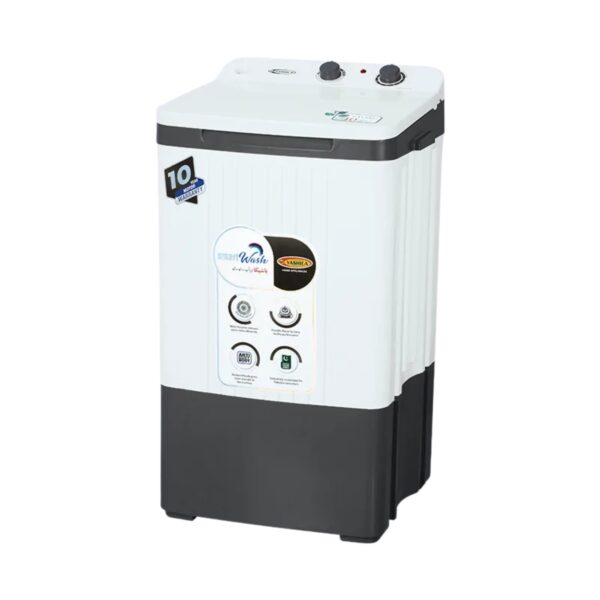
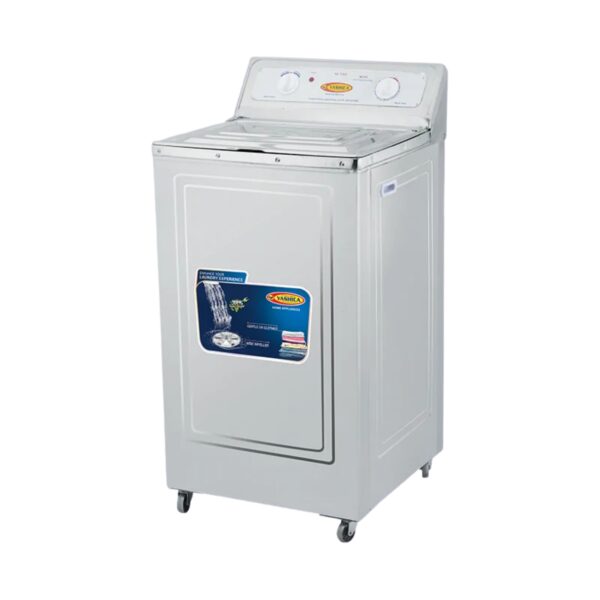
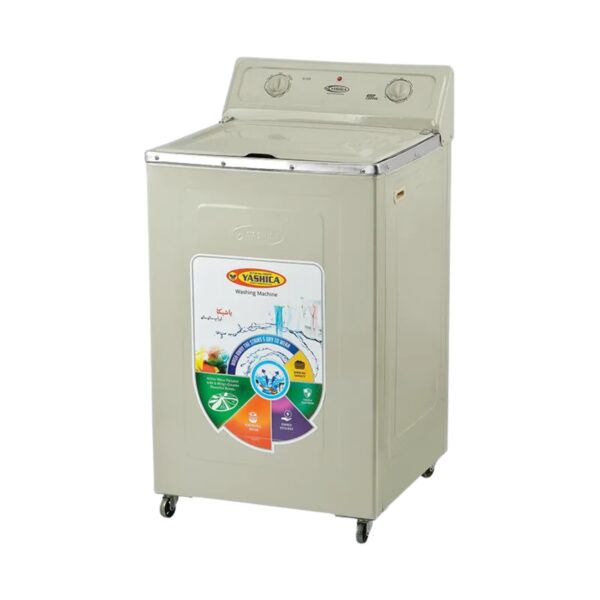
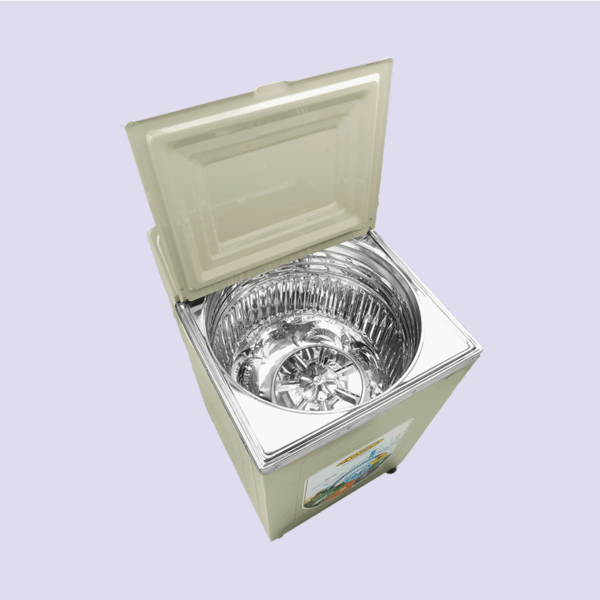
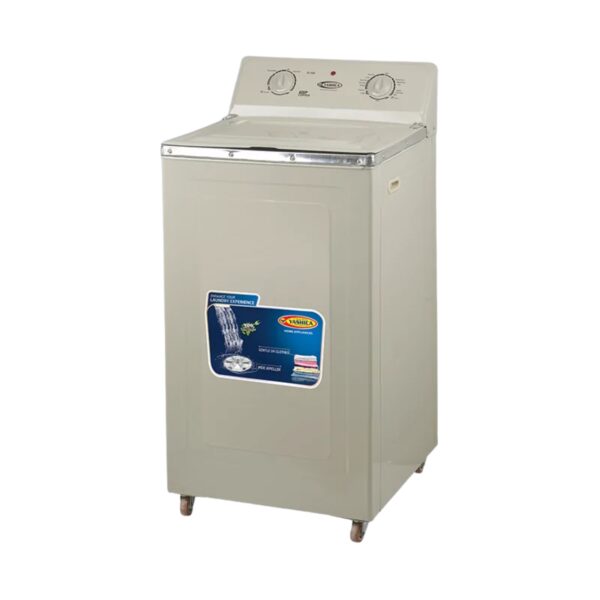
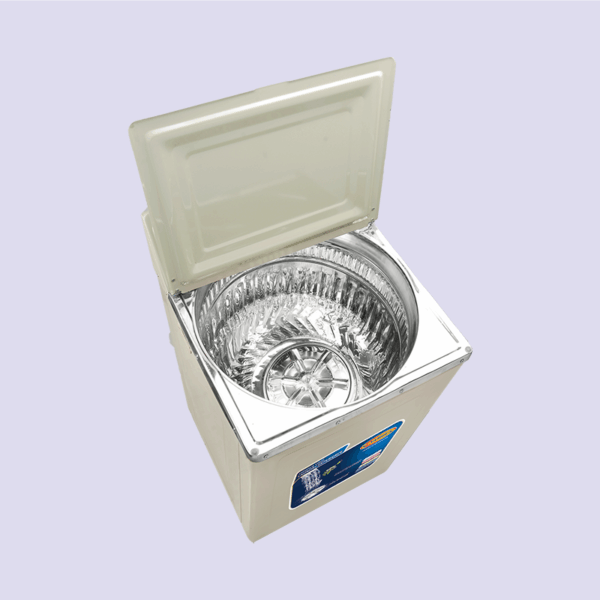
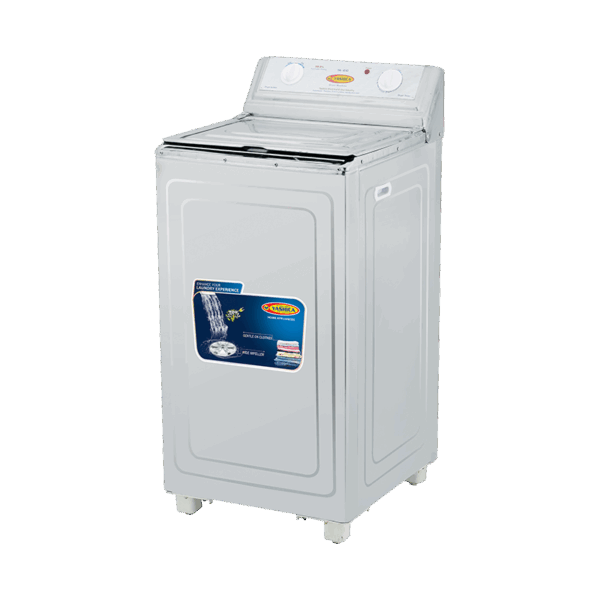
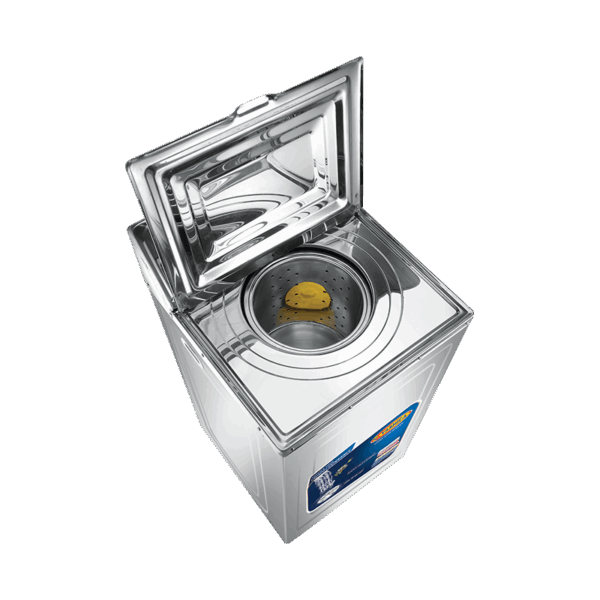
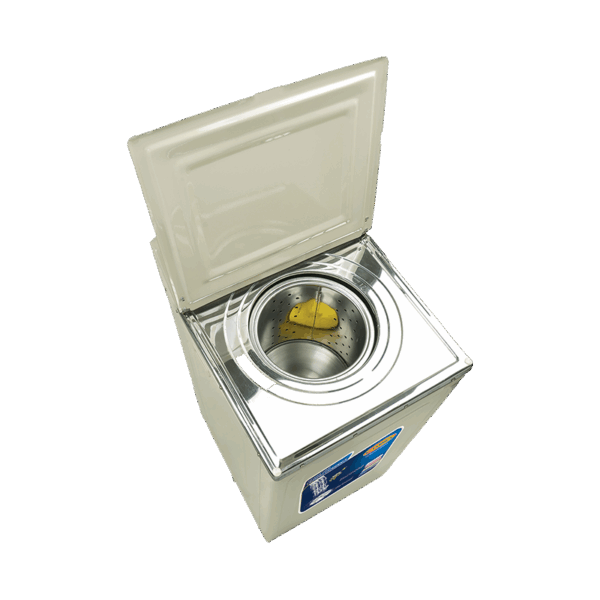
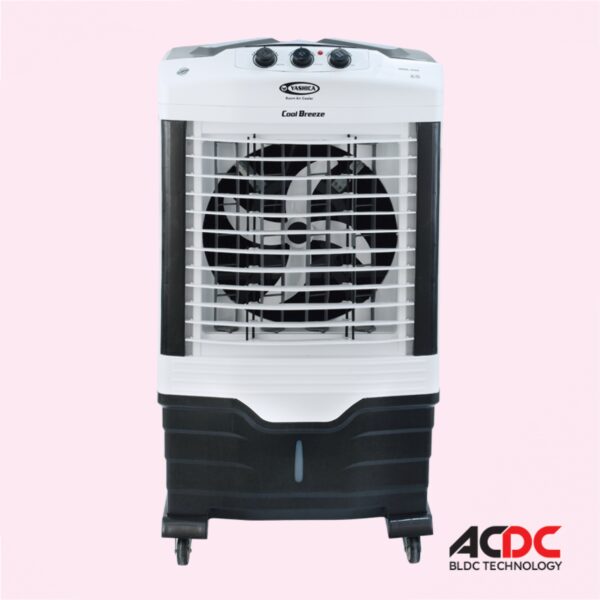
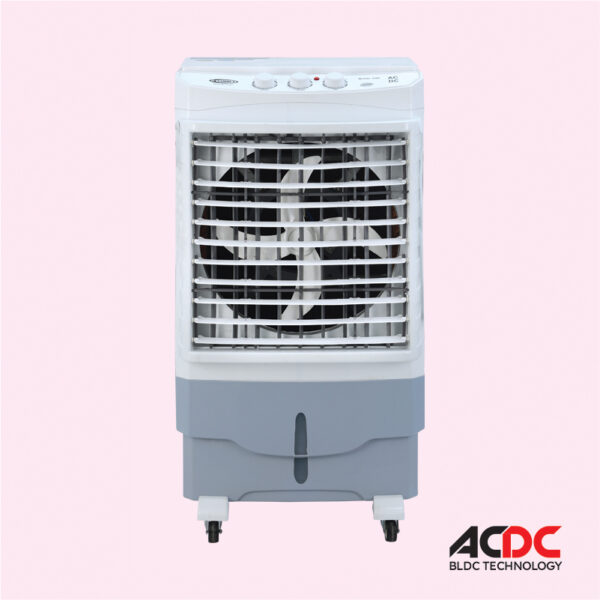
Yashica’s YA-3500-RC-AC/DC, YA-8400-RC-AC/DC and YA-3500-RC-DC pages state that the coolers work on solar. The audited pages do not publish rated watts or amps for these models, so a safe panel and battery size cannot be assigned without the rating label or manufacturer documentation.
Three common solar air-cooler setups
| Setup | How it works | Main risk to avoid |
|---|---|---|
| Solar panel + inverter | Panel power is converted to AC for a regular cooler | Undersized inverter and conversion losses |
| Panel + battery + inverter | Battery supports clouds and evening operation | Using the full battery capacity in runtime calculations |
| Regulated DC solar system | Approved DC output powers a DC or AC/DC cooler | Direct panel connection without voltage control |
Step 1: find the cooler’s real electrical rating
Read the product rating plate for:
- AC watts
- DC voltage
- DC current in amps
- Fan-only and pump-on consumption where available
- Startup or maximum current
Do not size a solar system from blade diameter, tank size or product price.
Step 2: calculate daily energy
Daily watt-hours = cooler watts × hours used per day
A generic 150W cooler running for eight hours would require 1,200Wh before inverter, controller and battery losses. This is an illustrative example, not a Yashica specification.
Step 3: estimate solar-panel size
Basic panel watts = daily watt-hours ÷ effective sun hours
Then add a design margin for heat, dust, wiring, controller and weather losses. Pakistan’s useful sun hours vary by city, season, panel angle and shading. A solar installer should use local data rather than a fixed national number.
Step 4: size the battery for backup
Battery watt-hours = battery volts × amp-hours
Only part of the nameplate capacity may be usable. Lead-acid batteries are commonly discharged less deeply than lithium batteries. The system should also reserve energy for battery life and inverter losses.
Step 5: select the inverter or controller
For a regular AC cooler
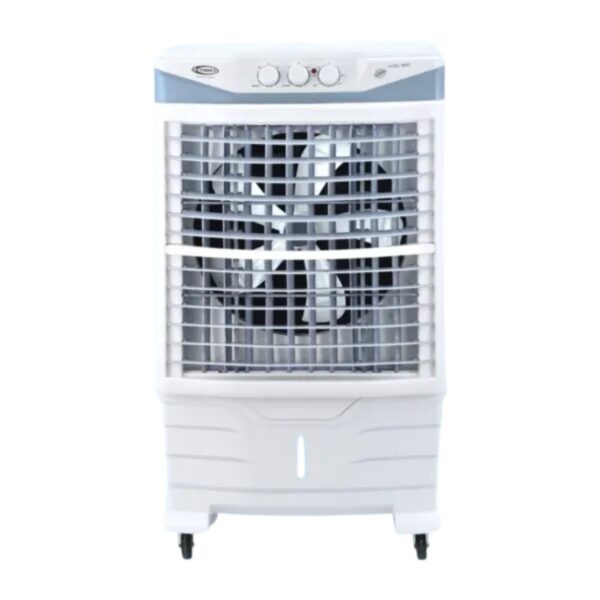
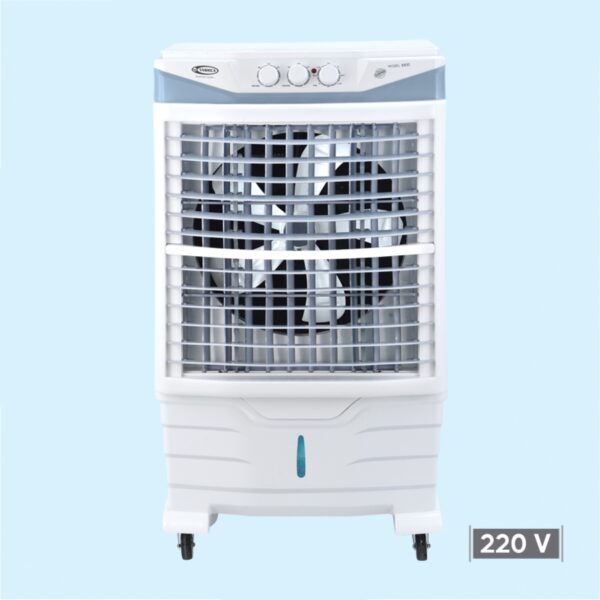
Choose a pure or suitable sine-wave inverter rated above the cooler’s running and startup requirements. Yashica’s YA-8400-RC and YA-8800-RC publish 220W, giving a verified reference for regular AC models.
For a DC or AC/DC cooler
Use the model-approved voltage and a regulated controller. Do not connect a nominal 12V cooler to a panel whose open-circuit voltage can rise far above 12V.
Solar sizing worksheet
| Input | Value to obtain | Source |
|---|---|---|
| Cooler running watts | Model-specific number | Rating plate or manufacturer |
| Daily runtime | Hours | Household plan |
| Useful solar hours | Local seasonal estimate | Solar installer |
| Battery usable percentage | Based on chemistry | Battery manufacturer |
| System losses | Controller, inverter and wiring | Installer calculation |
Can one solar panel run an air cooler?
It depends on panel wattage, sunlight and cooler load. A single large panel may run a low-power cooler during strong sun, but clouds and pump startup can interrupt operation. A battery or grid-hybrid system provides more stable output.
Should the pump be included?
Yes. A cooler’s fan and water pump both consume power. Fan-only mode may use less electricity but will not provide the same evaporative cooling. Ask for separate consumption figures if available.
Pakistan-specific solar concerns
Panel heat
Solar panels produce less than their nameplate output in very hot conditions. Do not size the system at exactly the cooler’s wattage.
Dust
Dust can reduce panel output. Use safe cleaning and avoid standing on roofs during extreme heat.
Evening load shedding
Panels alone cannot run the cooler after sunset. A battery or another backup source is required.
Shared household loads
Fans, lights, refrigerators and pumps may already use the inverter. Size the system for the total simultaneous load.
Electrical safety: Switch the cooler or fan off and disconnect its supply before cleaning, checking wiring, moving the appliance or working near water. Do not use wet plugs, loose extensions, undersized solar wiring or improvised battery connections. Burning smells, hot plugs, repeated tripping or damaged cables require a qualified electrician or technician.
Yashica’s extreme-summer cooler guide introduces solar and DC options, while this article focuses specifically on the calculation process. The cooling-efficiency guide can help reduce unnecessary fan and pump runtime.
Frequently asked questions
Can Yashica air coolers run on solar?
The audited YA-3500 and YA-8400 AC/DC pages and YA-3500 DC page state that they work on solar.
How many watts of solar panel do I need?
Obtain the cooler’s real watts, multiply by daily hours, divide by local effective sun hours and add system losses.
Can I connect a cooler directly to a solar panel?
Only when the manufacturer and solar-system design approve a regulated direct connection. Raw panel voltage can damage the appliance.
Do I need a battery?
A battery is needed for night use, clouds and stable backup unless the grid or another source remains available.
Can a regular 220W cooler run on solar?
Yes, through a correctly sized solar inverter or hybrid system that accounts for startup and other household loads.
Where can I confirm Yashica electrical ratings?
Inspect the physical rating label through the Yashica store locations page or contact support.
Conclusion
A solar air cooler requires more than a panel. Confirm watts, volts and amps, calculate daily energy, size the controller or inverter and include battery limits and system losses. Use the “works on solar” product claim as a starting point, not a complete solar design.