



Does a Washing Machine Need a Voltage Protector in Pakistan?
Voltage fluctuation is common in many parts of Pakistan, especially during peak summer demand, load shedding recovery and weak local distribution. A washing-machine motor can be affected by sustained low voltage, sudden high voltage or repeated on-off supply. Whether a separate voltage protector is required depends on the exact model, its approved input range and the quality of the home electrical supply.
Do not assume that every appliance has a built-in stabiliser. Yashica’s FAQ mentions built-in voltage stabilisers or wide-voltage compatibility for some key products such as inverter air conditioners and refrigerators, but the audited washing-machine product pages do not state a built-in voltage protector or operating voltage range.
What does a voltage protector do?
A voltage protector monitors the supply and disconnects the appliance when voltage falls below or rises above its set limits. Many protectors also delay reconnection after power returns, reducing rapid restart stress.
Voltage protector vs stabiliser
| Device | Main function | Important limitation |
|---|---|---|
| Voltage protector | Cuts power outside safe limits and reconnects later | Usually does not correct low voltage |
| Voltage stabiliser | Attempts to regulate voltage within a working range | Must be correctly sized for motor startup load |
| Surge protective device | Helps manage short transient surges | Does not solve sustained low or high voltage |
When a protector may be useful
- Lights become unusually dim or bright.
- Power repeatedly returns and fails within a few minutes.
- The washing-machine motor hums or starts slowly.
- Other appliances have been damaged by voltage events.
- A qualified electrician measures supply outside the appliance’s approved range.
When not to buy blindly
A cheap protector with an insufficient current rating can overheat or trip unnecessarily. A washing machine contains a motor, so startup current may be higher than the normal running current. The device must match the actual appliance rating and plug type.
How to choose safely
- Read the washing machine’s rating label.
- Find the manufacturer’s approved voltage range.
- Note rated current or wattage.
- Ask a qualified electrician to assess the socket and earthing.
- Select a device rated for motor appliances.
- Ensure the cutoff limits do not conflict with the appliance manual.
- Avoid stacking several adapters and extension leads.
What is verified for Yashica washing machines?
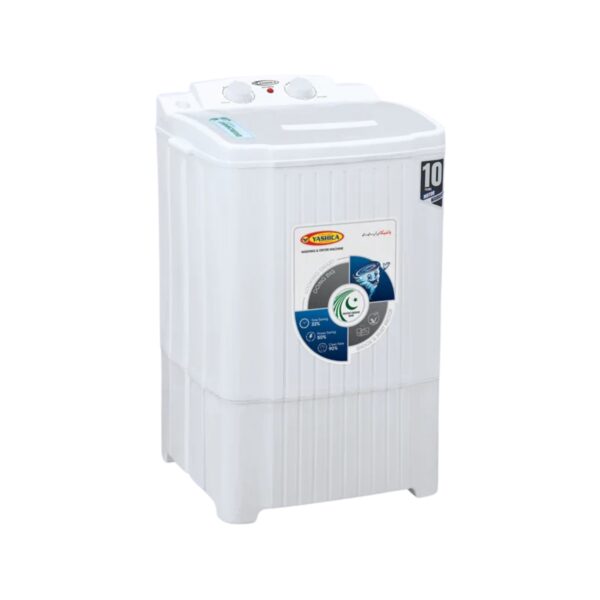
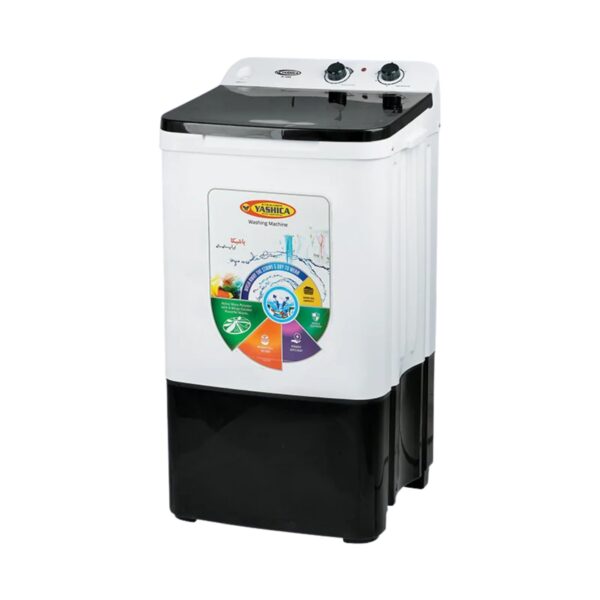
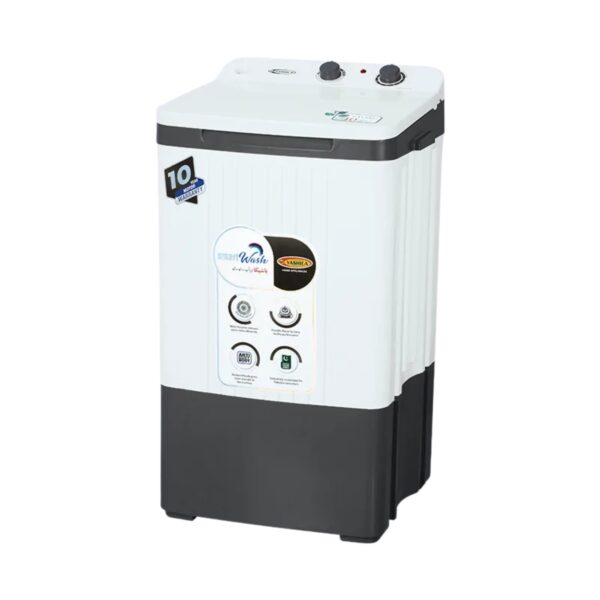
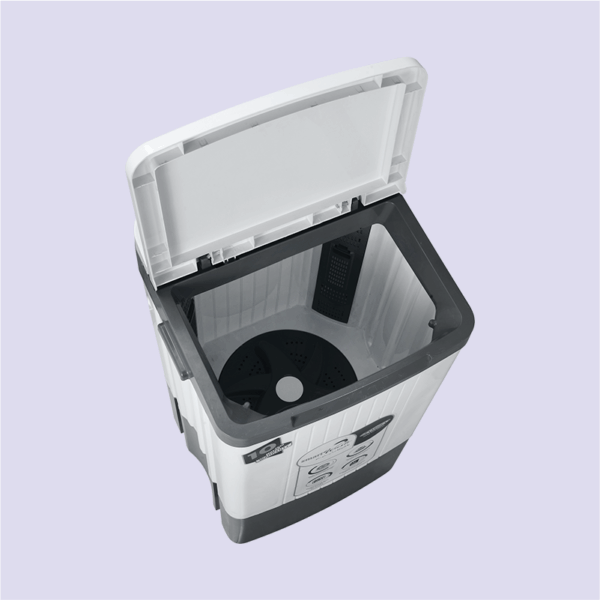
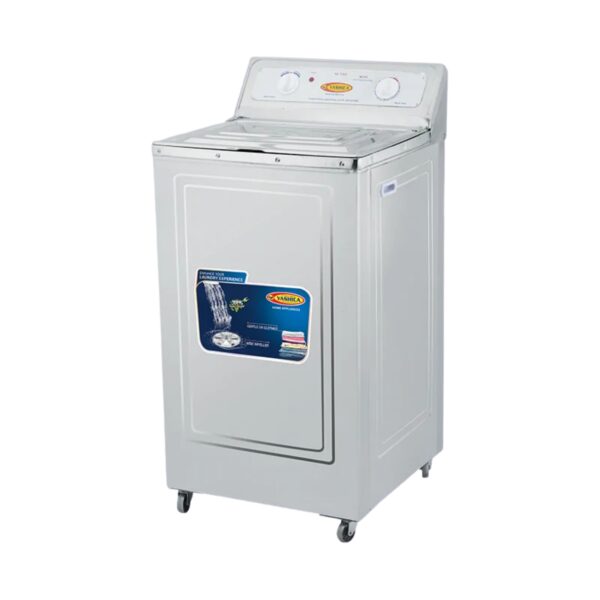
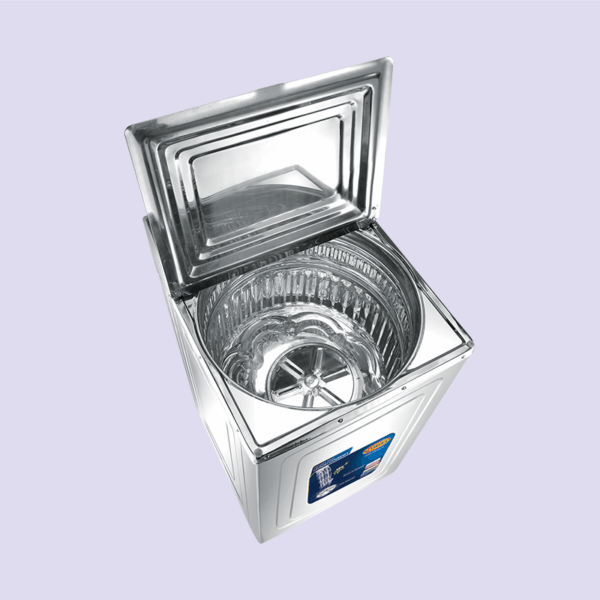
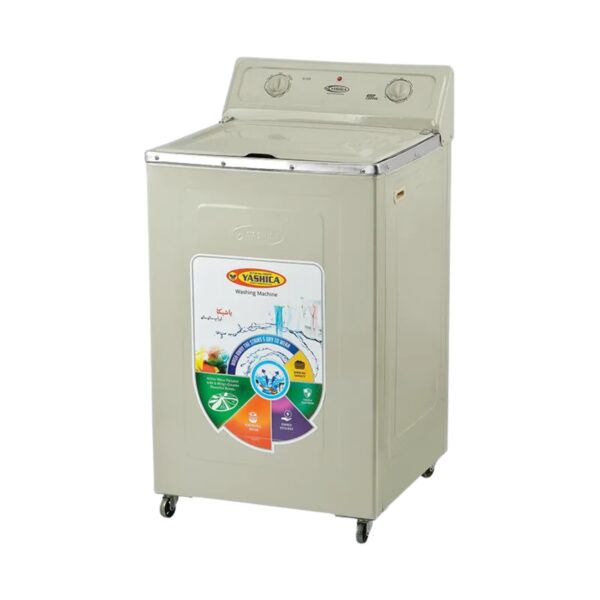
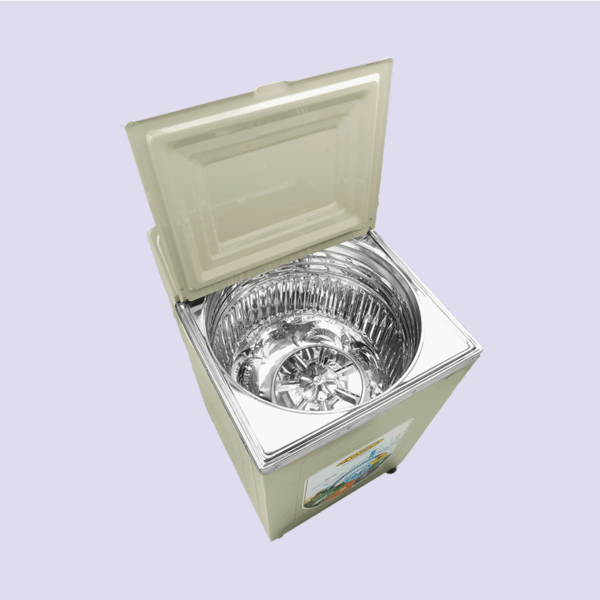
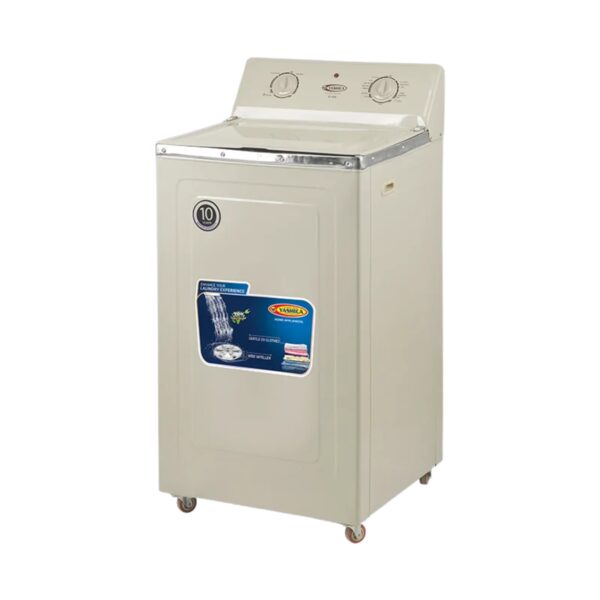
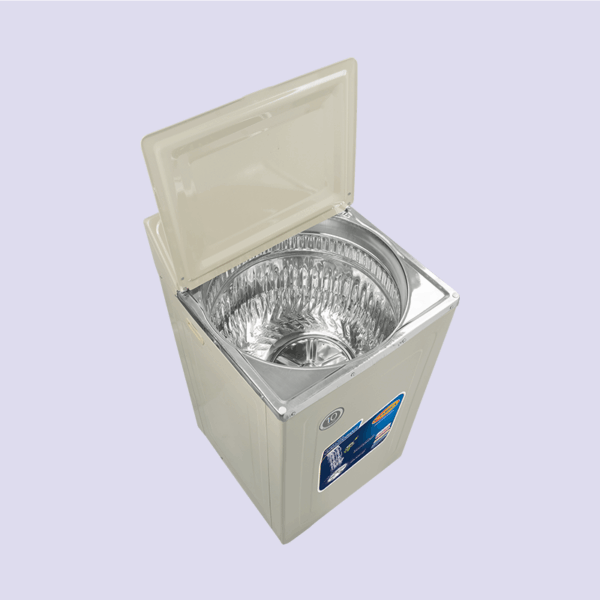
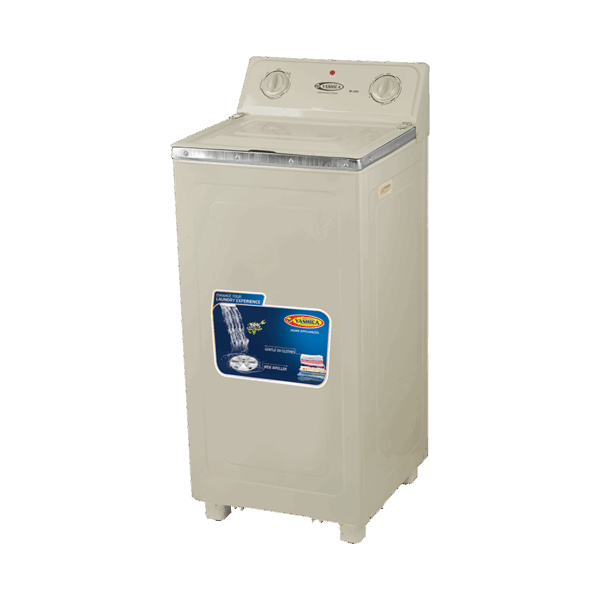
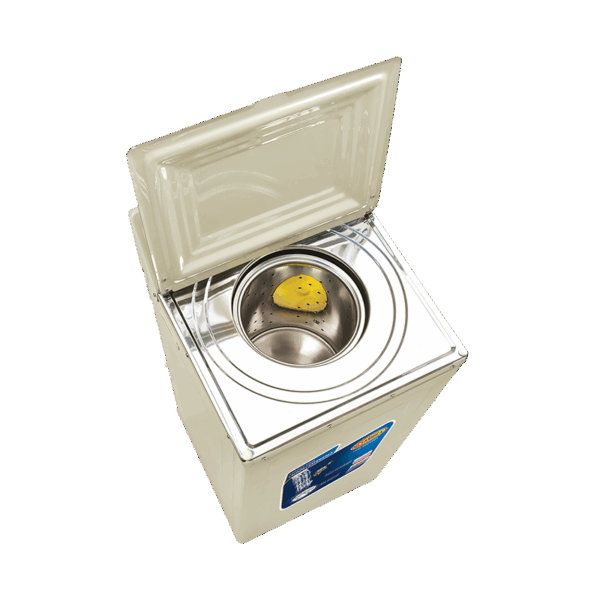
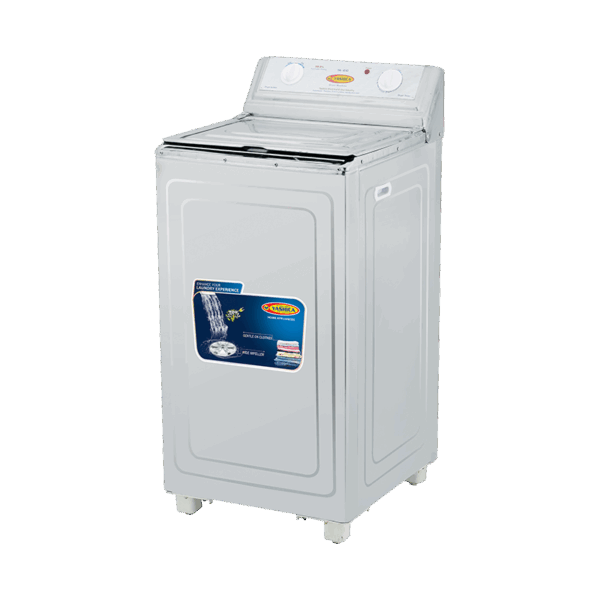
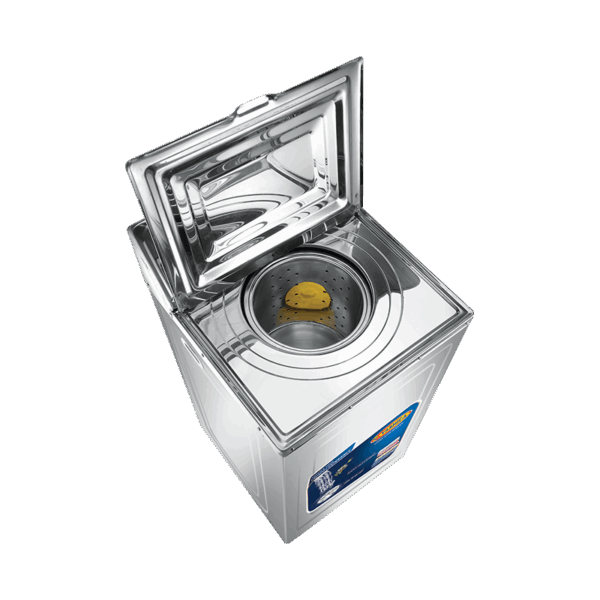
Models such as the YA-1000-WM and YA-1800-WM are listed with powerful motors, energy-saving descriptions and low-noise operation. Their audited pages do not publish wattage, current, voltage range or built-in protection. These details should be confirmed from the physical label or Yashica documentation.
Review the Yashica frequently asked questions, but use the washing machine’s own manual and rating plate for the final decision because a general brand FAQ does not replace model-specific information.
Low voltage is not solved by repeated restarts
If the motor hums without normal movement, switch off immediately. Repeatedly turning the machine on can overheat the motor. Wait for a stable supply and arrange an electrical check.
Power-return delay
After an outage, many appliances in the neighbourhood restart together, which can create unstable voltage. A properly selected protector with a restart delay can keep the washer disconnected until the supply settles. The delay should follow device and appliance instructions.
Socket and earthing checks
- Use a firm wall socket rated for the appliance.
- Keep the plug and socket dry.
- Do not remove the earth pin.
- Avoid lightweight multi-plugs.
- Replace burnt, loose or discoloured sockets.
- Keep the connection above wet-floor level.
Electrical safety: Unplug the washing machine before moving it, checking the drain hose or cleaning around the body. Do not use a loose socket, damaged extension lead or wet plug. Repeated breaker trips, burning smells, hot plugs or damaged wiring require a qualified electrician or appliance technician.
Pakistan-specific example
A Gujranwala household may notice dim lights when the neighbourhood load rises in the evening. Instead of buying the first “stabiliser” available, the family should measure the voltage, confirm the machine label and ask an electrician whether a cutoff protector, stabiliser or wiring repair is the correct solution.
The budget washing-machine guide discusses the local importance of voltage stability, while Yashica’s 2026 washing-machine buying guide provides broader selection factors.
Frequently asked questions
Does every washing machine need a voltage protector?
No. The decision depends on the model’s approved voltage range and the stability of the home supply.
Does Yashica confirm built-in protection for its washers?
The audited washing-machine pages do not state a built-in voltage protector or stabiliser.
Can a refrigerator protector be used for a washer?
Only when its electrical ratings and delay settings are suitable for the washing-machine motor. Ask an electrician.
Will a protector increase low voltage?
A cutoff protector normally disconnects the appliance; it does not raise low voltage.
Why does the washer hum at low voltage?
The motor may not receive enough voltage to start or run correctly. Switch off rather than forcing it.
Where can I find model voltage details?
Check the rating label and manual or inspect the model through the Yashica store locations page.
Conclusion
A voltage protector can be useful in an unstable area, but it must be selected using the washing machine’s real voltage, current and motor requirements. Do not assume built-in protection or use an undersized adapter. Begin with the rating plate and a qualified electrical assessment.