






How Much Water Does a Washing Machine Use Per Wash?
Washing-machine water consumption cannot be calculated from capacity alone. A 10kg washer may use different amounts depending on the water level, number of rinses, fabric type, detergent quantity and whether the user reuses rinse water. Automatic and semi-automatic machines also manage water differently.
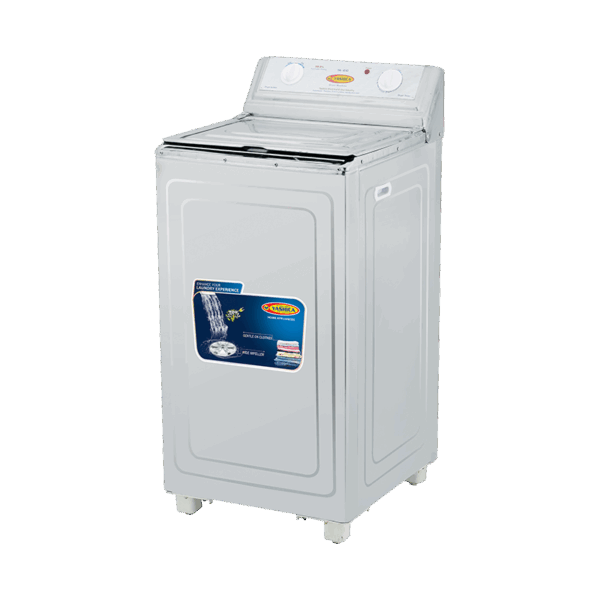
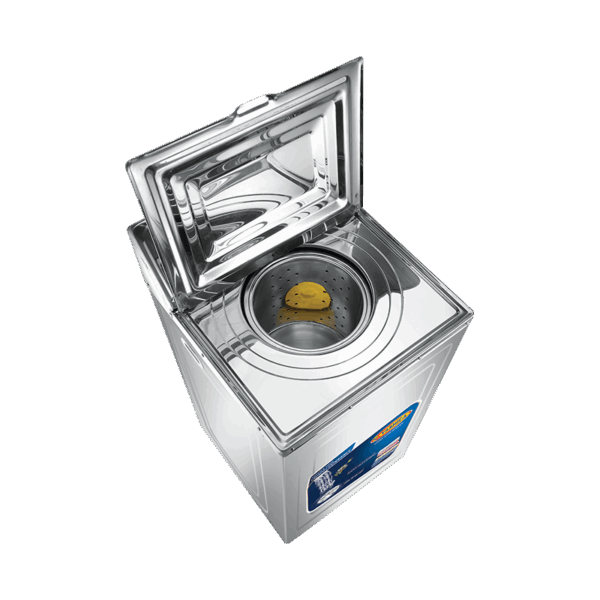
Yashica’s current product pages list washing capacities such as 10kg and 12kg but do not publish litres per wash. This guide therefore explains how Pakistani households can measure actual use instead of relying on an invented number.
What determines water use per wash?
- Tub or drum size
- Selected water level
- Load size and fabric absorbency
- Number of rinses
- Detergent quantity
- Manual filling habits
- Automatic cycle design
- Whether water is reused safely for another household purpose
Semi-automatic vs automatic water control
| Machine type | How water is controlled | Planning implication |
|---|---|---|
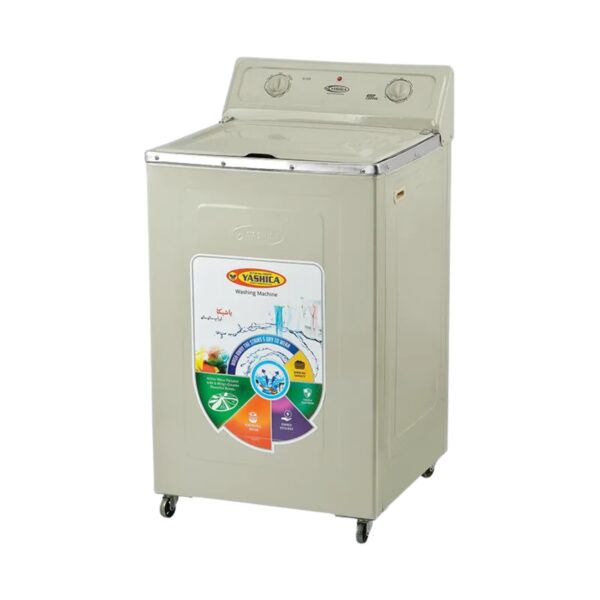
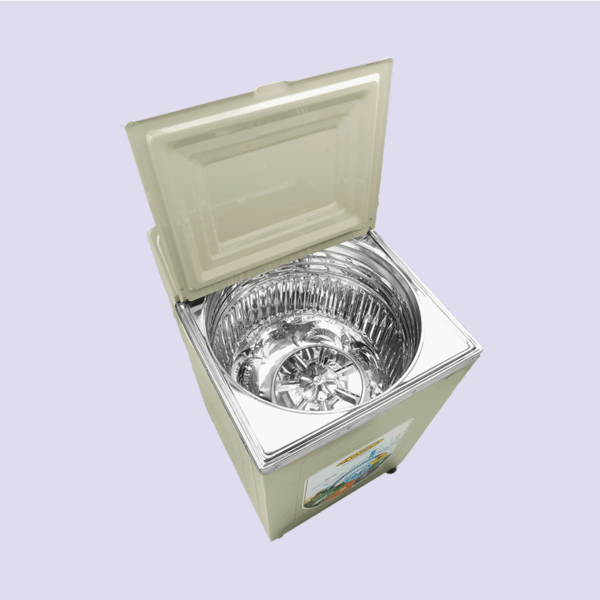
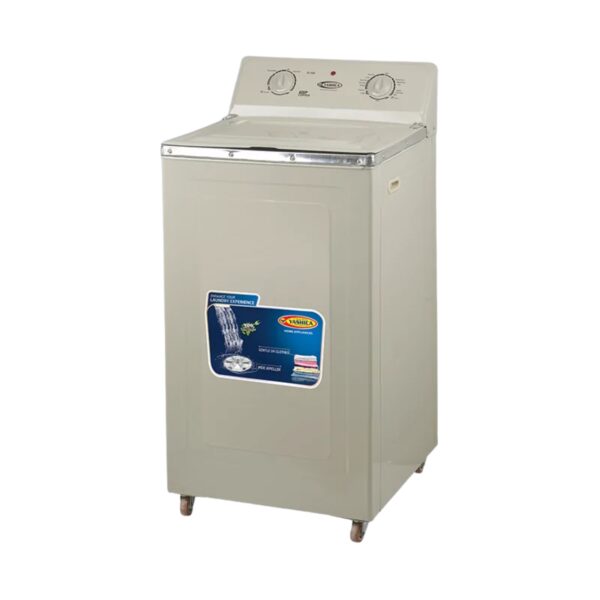
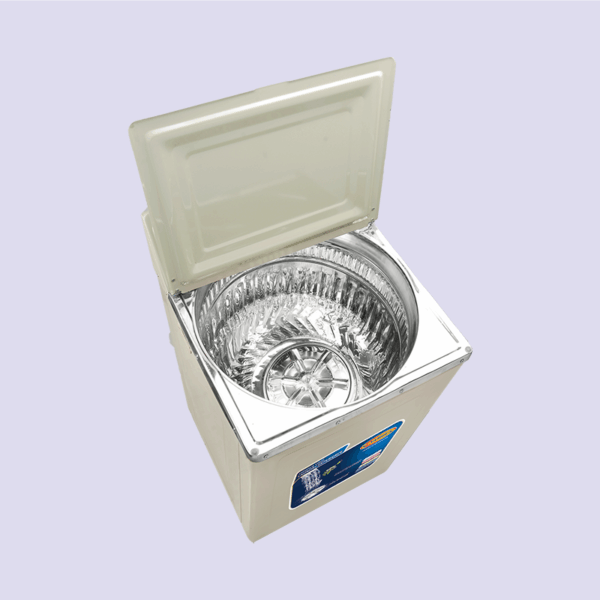
| Single or twin tub semi-automatic | User fills and drains water manually | Direct control, but overfilling can waste water |
| Top-load automatic | Machine fills according to program and sensors | Consumption depends on selected cycle and load sensing |
| Front-load automatic | Uses controlled drum-level water | Often designed for lower water levels, but model data is required |
Read Yashica’s automatic vs semi-automatic washing-machine guide for a wider comparison of water control and user effort.
How to measure your washing machine’s actual water use
Method 1: Use a measured bucket
For a manually filled machine, use a bucket with a known litre capacity. Count how many full and partial buckets are added for washing and rinsing. Record the total.
Method 2: Use a water meter
If the home has an accessible meter, record the reading before and after one wash while avoiding other water use. The difference provides a household-level estimate.
Method 3: Time the inlet flow
Fill a known container from the same tap for one minute to estimate litres per minute, then time the machine filling. This is less precise because pressure can change.
Example measurement worksheet
| Stage | Measured water | Notes |
|---|---|---|
| Main wash | Record actual litres | Note load size and fabric type |
| First rinse | Record actual litres | Check foam level |
| Second rinse | Record actual litres | Use only when needed |
| Total | Add all stages | Compare future loads |
Does a 10kg machine always use more water?
Not always. A larger tub filled to maximum level will generally require more water than a smaller tub, but a larger machine may reduce the number of batches for a family. The user should match water level to the load instead of filling a 10kg machine completely for a small quantity.
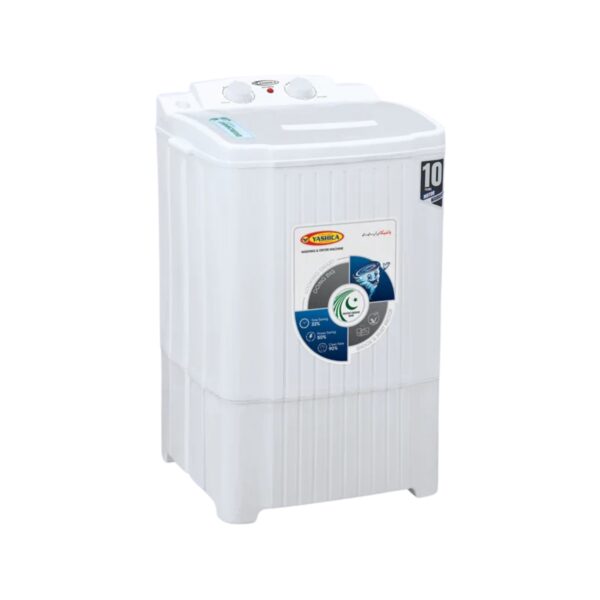
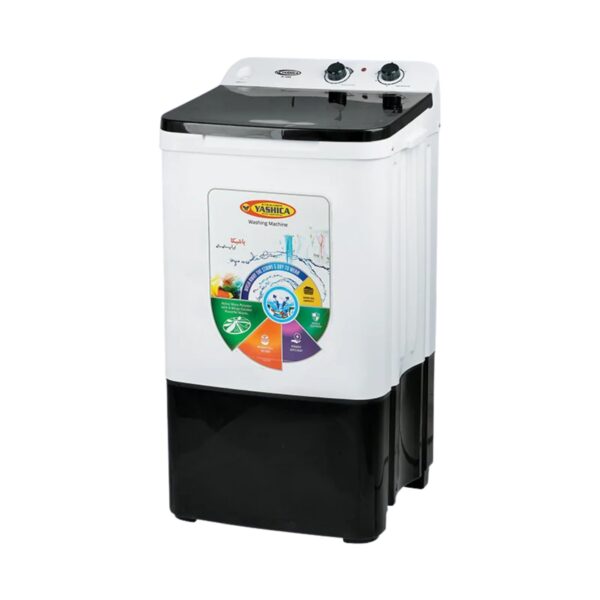
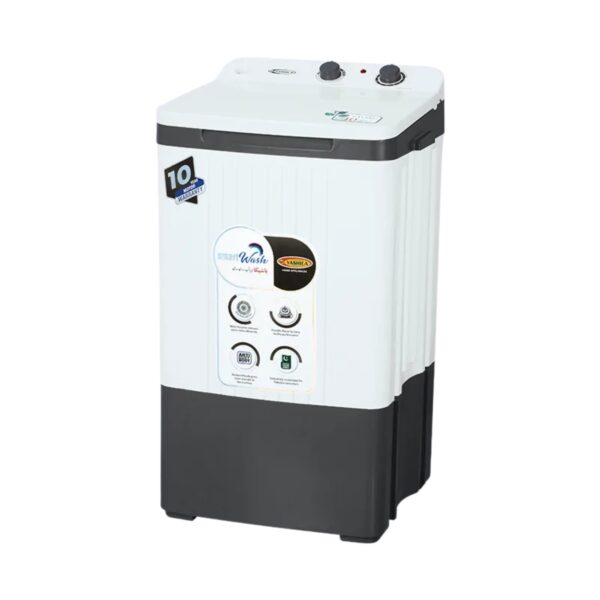
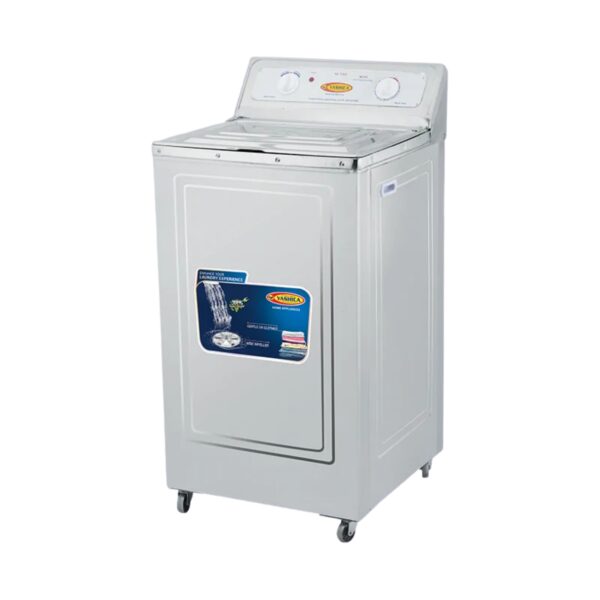
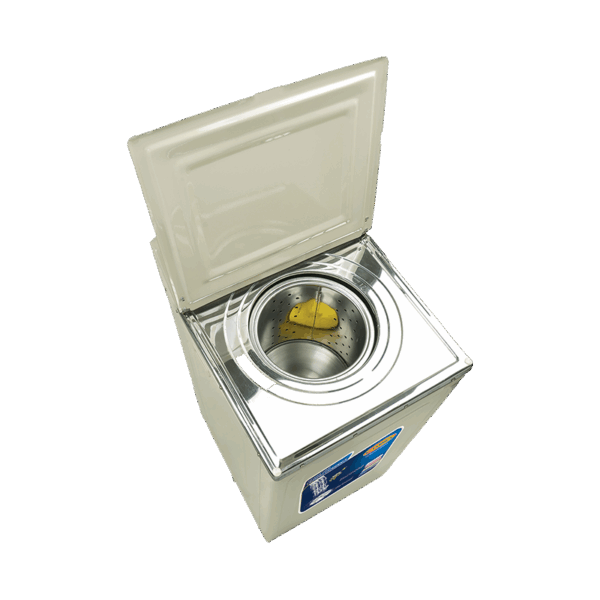
Yashica models such as the 10kg YA-1000-WM and 12kg YA-630-WM provide verified capacity references. Their pages do not state litres per cycle.
How to reduce water use without reducing wash quality
- Wash full but not overloaded loads.
- Match the water level to the clothing quantity.
- Measure detergent to reduce extra rinsing.
- Pre-treat local stains instead of repeating a full cycle.
- Separate heavily soiled work clothes from light daily wear.
- Do not rinse until every trace of normal detergent scent disappears.
- Repair leaking inlet hoses and drain valves promptly.
Pakistan-specific examples
Low municipal supply
Fill a storage container during the supply window and plan laundry loads. Avoid leaving the inlet unattended because a manual washer can overflow.
Tanker-water household
Measure litres for several normal loads. The data can help the family decide whether fewer larger loads are more economical.
Joint family
Sort loads by colour and soil level so lightly used clothes do not require the same water and rinsing as heavily soiled garments.
Hard-water area
Hard water may reduce detergent performance and increase foam or residue problems. Use the detergent label’s hard-water guidance rather than simply adding more powder.
Water reuse
Some households reuse relatively clean rinse water for floor washing or toilet flushing. Do not reuse water containing bleach, strong disinfectant or heavy contamination for plants, food preparation or skin contact. Store it only briefly to avoid odour and mosquito problems.
Yashica’s washing-machine buying guide discusses capacity and water-pressure considerations, while the budget washer guide explains why manual water control remains important in Pakistan.
Frequently asked questions
How many litres does a Yashica washing machine use?
The audited product pages do not publish litres per wash. Measure actual filling or request model-specific documentation.
Does a half load use half the water?
Only when the user or machine selects a suitable lower water level. A fixed high level will not save water.
Does more detergent need more water?
Excess detergent often requires additional rinsing and can increase total water use.
Is one rinse enough?
It depends on detergent, soil level and fabric. Use the least number of rinses that leaves clothes clean and free of excessive residue.
Can rinse water be reused?
It may be reused for suitable non-food cleaning tasks when it does not contain hazardous chemicals.
Where can I compare washer capacities?
Browse the official Yashica washing-machine category.
Conclusion
The most accurate answer is the amount your own machine and routine use. Measure wash and rinse water for a normal load, then adjust load size, water level and detergent. Avoid copying a generic litres-per-cycle figure that may not match the appliance.