






Why Does a Washing Machine Shake or Move During Spin?
A washing machine that shakes, moves or knocks during spin should not be ignored. The most common causes are an unbalanced load, an uneven floor, transport bolts left in place on some automatic machines, overloaded laundry or worn suspension parts. Safe troubleshooting begins outside the machine.
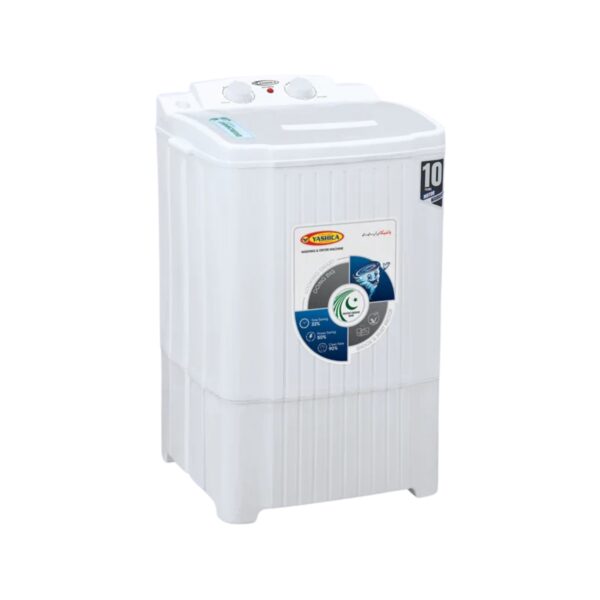
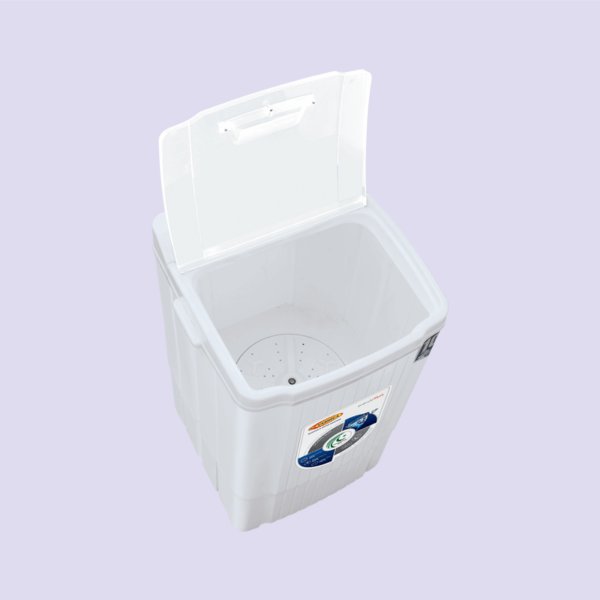
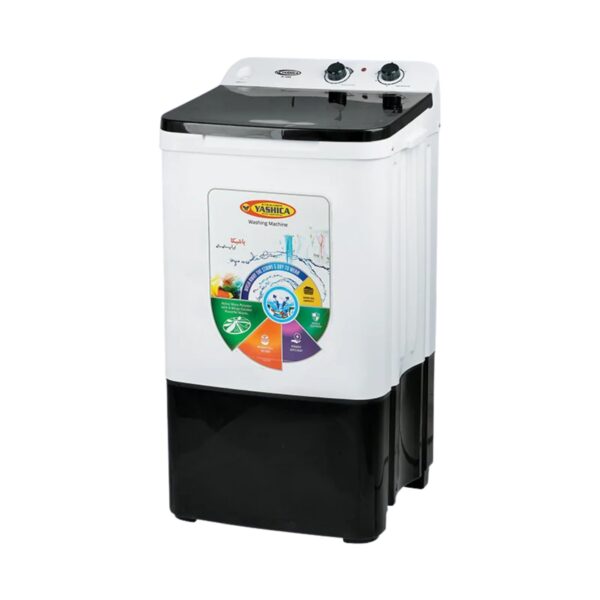
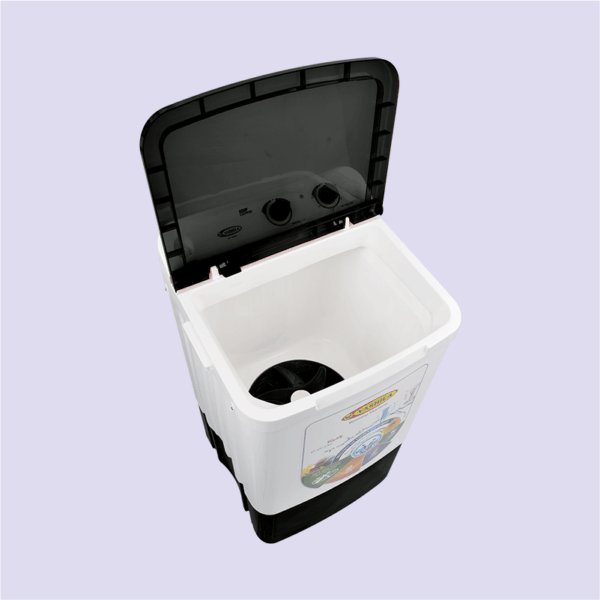
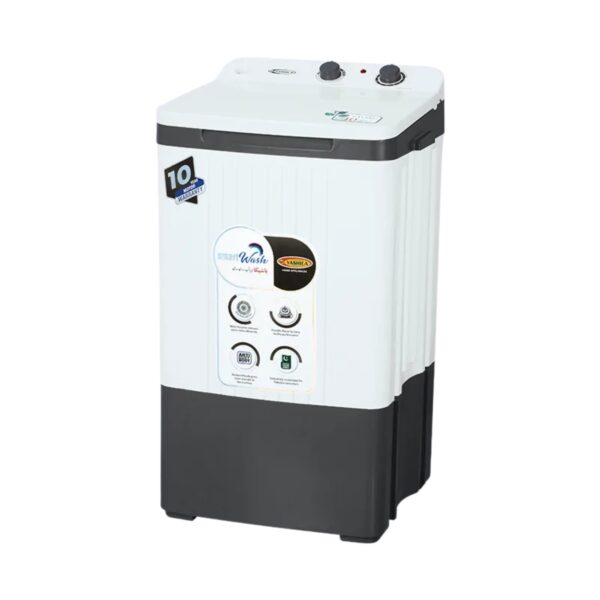
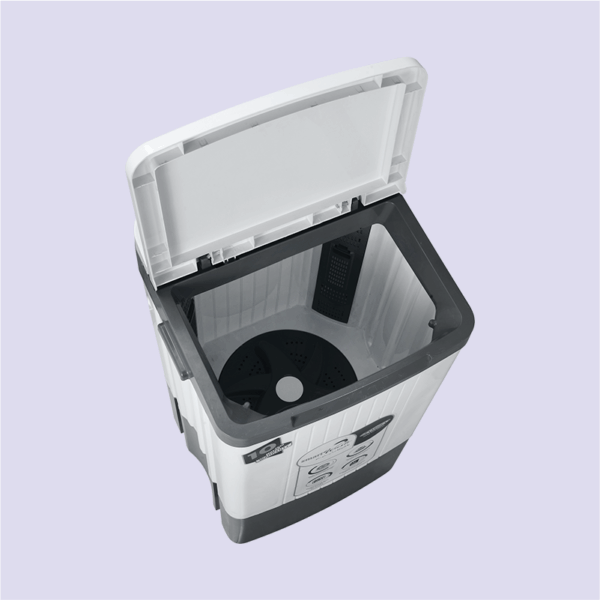
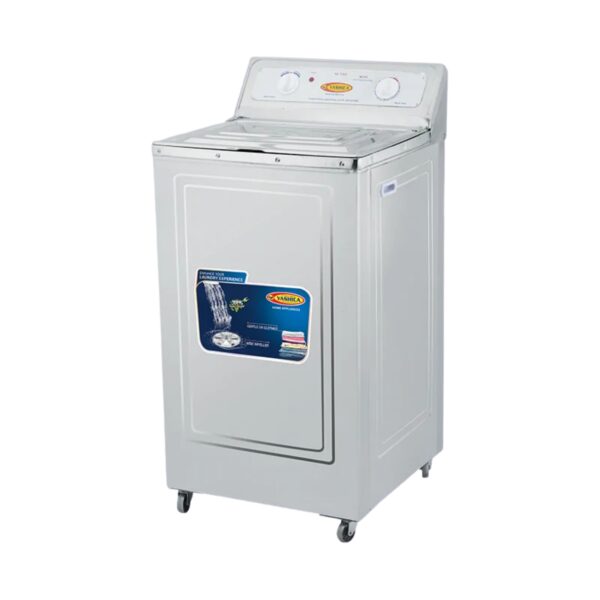
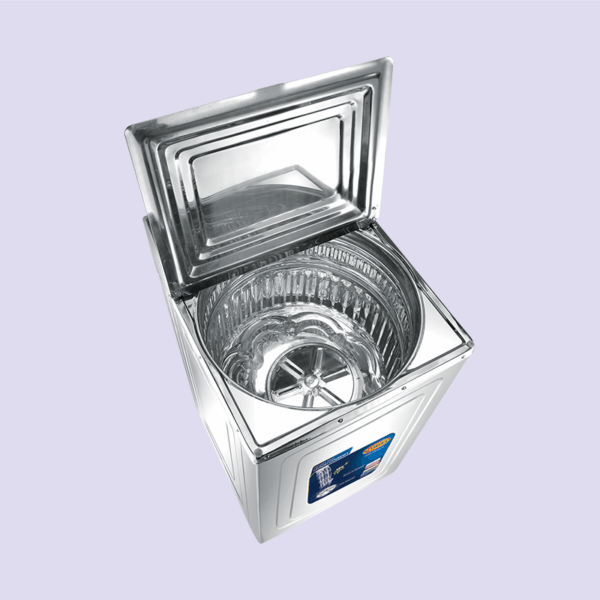
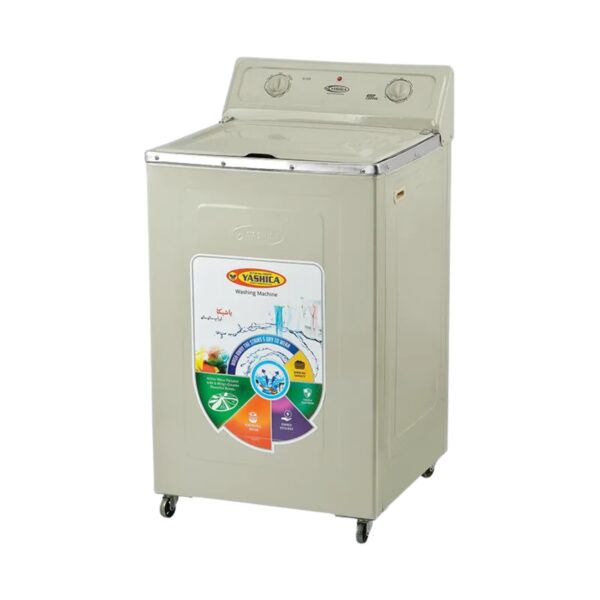
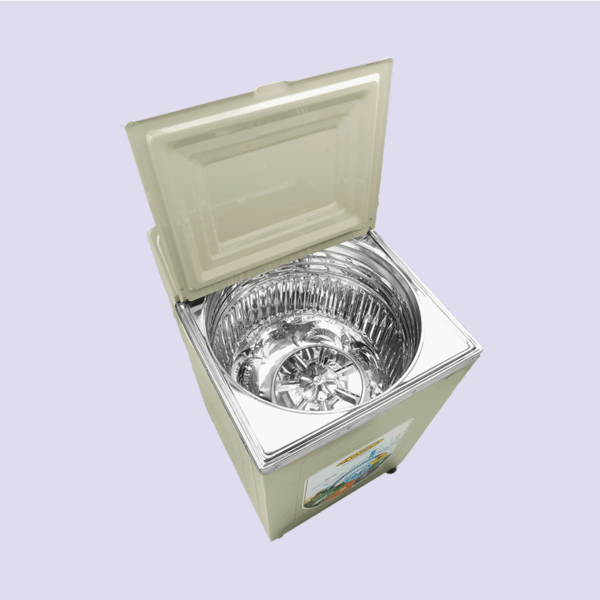
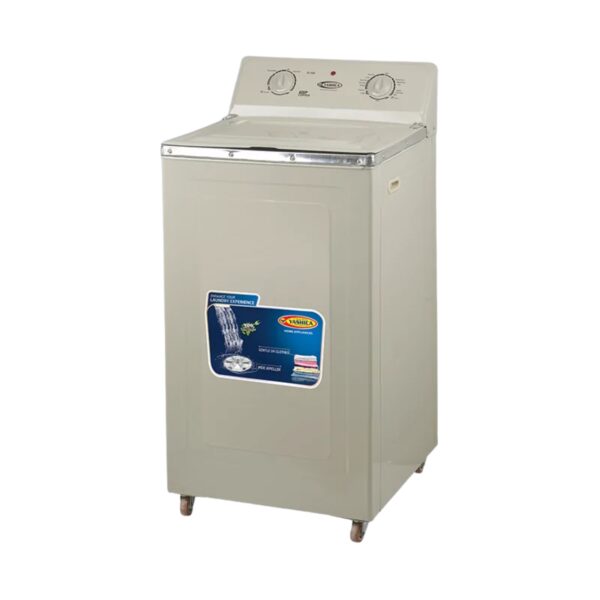
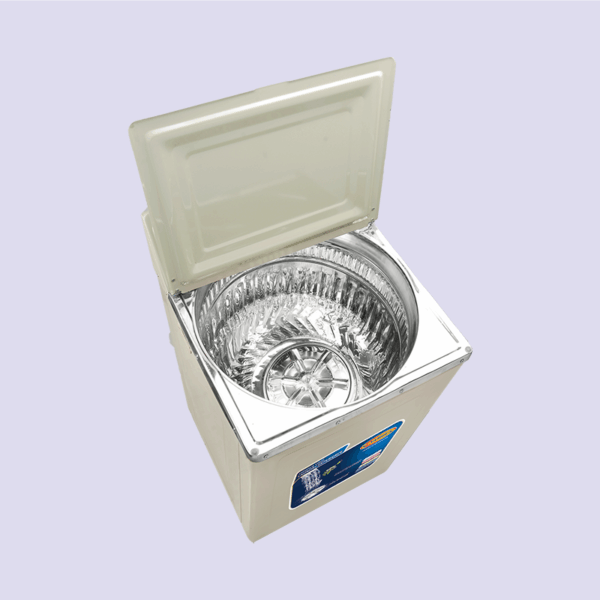
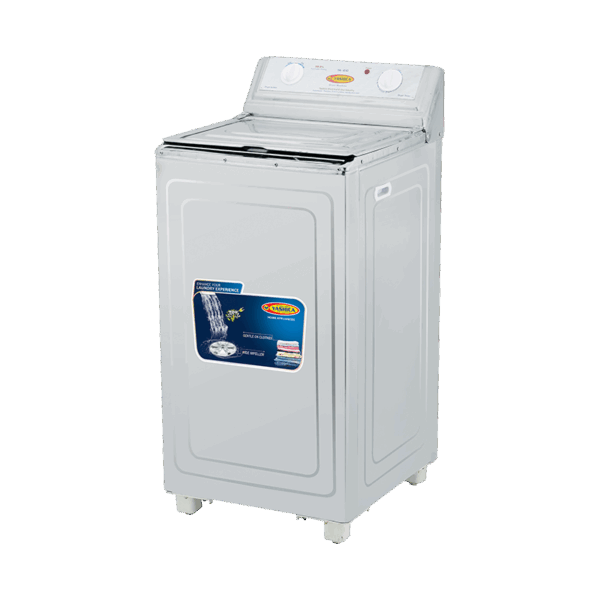
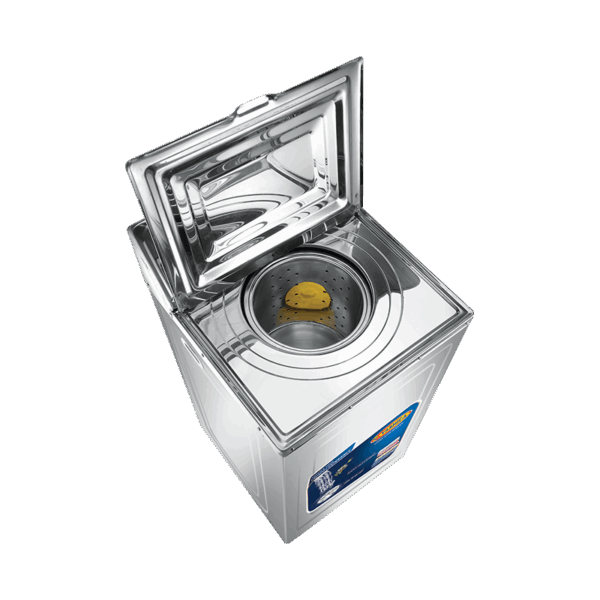
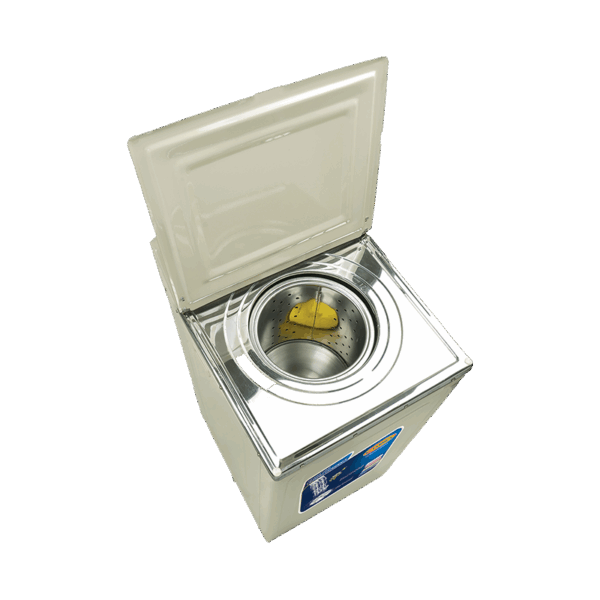
Yashica product pages for models such as the YA-1000-WM and YA-1800-WM describe low-noise, quiet and stable operation. Their pages do not publish a spin system or suspension design, so this article provides general washing-machine guidance rather than assigning internal parts to those models.
Common reasons a washing machine shakes during spin
| Cause | What you may notice | Safe response |
|---|---|---|
| Unbalanced load | Knocking starts with one heavy item | Stop, unplug and redistribute clothes |
| Overloading | Machine struggles and tub movement is restricted | Remove part of the load |
| Uneven floor | Machine rocks when pushed gently while off | Level the appliance correctly |
| Loose or unsuitable stand | Whole platform vibrates | Move to a firm floor |
| Transport bolts | Severe vibration from first use | Check automatic-machine installation instructions |
| Internal wear | Shaking continues with balanced loads | Arrange service |
Safe check 1: rebalance the load
One wet towel, blanket or pair of jeans can collect on one side. Stop the cycle, unplug the machine and spread items evenly. Add one or two compatible items only when the manual recommends balancing a single heavy piece.
Safe check 2: reduce the load
Wet clothes are heavier than dry clothes. A 10kg washing capacity does not mean the tub should be packed tightly. Divide large towel, denim or bedding loads.
Safe check 3: test the floor
The machine should stand on a firm, level surface. Soft mats, loose tiles, weak wooden platforms and wheeled stands can increase movement. Use a spirit level and adjust only manufacturer-approved feet.
Safe check 4: check clearance
A machine may sound as if it is shaking when a hose, lid or body is repeatedly hitting a wall or bucket. Leave the required clearance and route hoses without tension.
Safe check 5: confirm installation parts
Some front-load and automatic washers are shipped with transport bolts that lock the drum. These must be removed according to the installation manual before use. Do not assume a semi-automatic or single-tub model uses the same parts.
Load examples for Pakistani homes
One heavy blanket
A blanket can hold a large amount of water and become difficult to balance. Check whether the model permits it and use a suitable load.
School uniforms mixed with towels
Towels absorb more water and can pull the load to one side. Separate very heavy fabrics from light shirts.
Rugs and floor mats
Many household mats are too heavy or unsuitable for a normal washer. Check the care label and appliance manual.
Small load with one pair of jeans
A very small uneven load can shake more than a moderate balanced load.
When the sound suggests a service fault
- Metal grinding or scraping
- A loud bang with an empty or balanced tub
- The tub appears loose
- Water leaks during movement
- The motor smells hot
- The machine repeatedly trips the breaker
Electrical safety: Unplug the washing machine before moving it, checking the drain hose or cleaning around the body. Do not use a loose socket, damaged extension lead or wet plug. Repeated breaker trips, burning smells, hot plugs or damaged wiring require a qualified electrician or appliance technician.
Do not hold the machine while it spins
Trying to stop movement with hands or body weight can cause injury and hide the real problem. Switch off and unplug before inspection.
Preventing future shaking
- Sort loads by fabric weight.
- Stay within the rated dry-clothes capacity.
- Place the machine on a firm level floor.
- Keep all feet in contact with the surface.
- Do not pull the machine by its hoses or cable.
- Stop when a new vibration or noise appears.
Yashica’s automatic vs semi-automatic guide explains different machine layouts, while the front-load vs top-load comparison provides useful context on drum orientation and installation.
Frequently asked questions
Why does the washer move only during spin?
Spin creates higher speed, so an unbalanced load or uneven floor becomes more noticeable.
Can overloading damage the machine?
It can strain the motor, tub and suspension and may prevent proper washing or spinning.
Should I place rubber under the washer?
Use only a stable anti-vibration product suitable for the model. Soft makeshift foam can increase movement.
Why is a new front loader shaking?
Transport bolts, incorrect levelling or unsuitable flooring are common installation causes.
Do Yashica pages list a spin mechanism?
The audited washing-machine descriptions do not publish spin or suspension specifications.
When should I request service?
Arrange service when shaking continues after balancing, load reduction and correct levelling.
Conclusion
Most shaking starts with the load or installation. Rebalance clothes, reduce heavy items, level the machine and check clearance. Persistent movement, leaks, grinding or electrical symptoms require professional service rather than continued use.