






Air Cooler Tank Capacity Guide: How Long Will the Water Last?
Air-cooler tank capacity tells you how much water the unit can hold, but it does not directly tell you how many hours the water will last. Runtime changes with weather, pump flow, pad area, fan speed, room ventilation and whether the float valve is connected to a continuous supply.
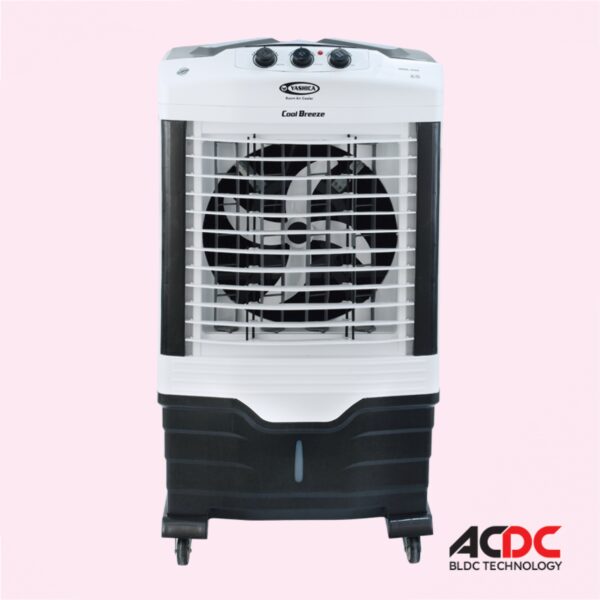
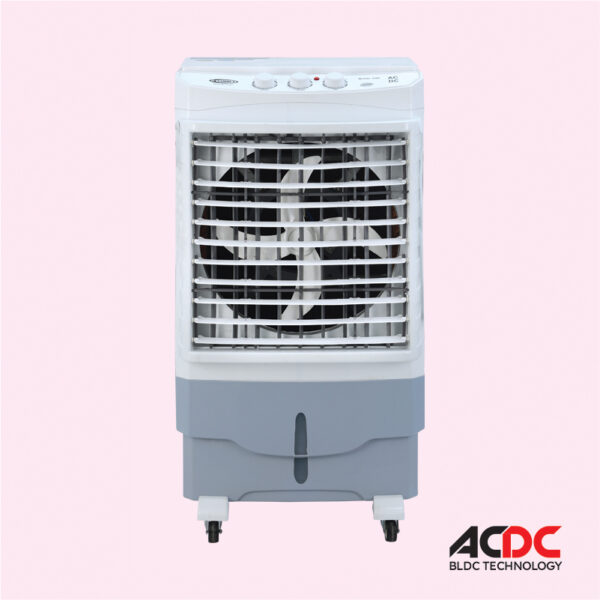
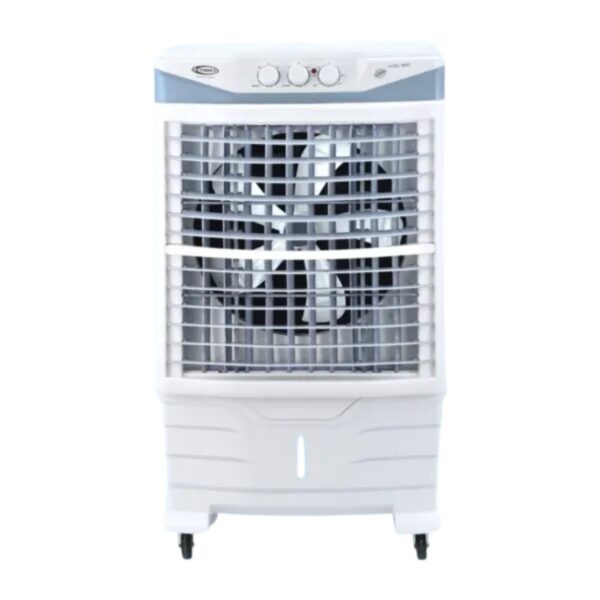
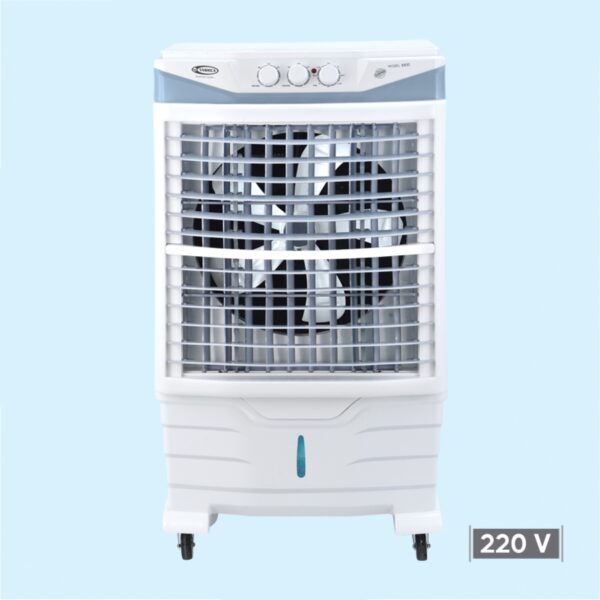
Yashica’s current air-cooler pages describe several models as having a “large water tank capacity for longer cooling,” but the audited product pages do not publish litres. The safest way to estimate runtime is to measure usable tank volume and actual hourly water loss.
Why the same tank can last different lengths of time
- Hot, dry air increases evaporation.
- Humid monsoon air reduces evaporation but may make the room feel damp.
- Higher fan speed can move more dry air through wet pads.
- Thicker or larger pads can use more water.
- Leaks, overflow or a stuck float valve waste water.
- Direct sunlight on the cooler can warm the tank and increase loss.
Basic tank-runtime formula
Estimated runtime in hours = usable tank litres ÷ measured water use per hour
For example, if a cooler has 40 usable litres and the measured loss is 4 litres per hour, the estimate is 10 hours. This is a generic example only. It is not a Yashica tank-size or consumption claim.
How to measure usable tank capacity
- Switch off and unplug the cooler.
- Drain and clean the tank.
- Use a measured jug or bucket.
- Add water until the normal maximum mark or float shutoff point.
- Record the litres added.
- Do not fill above the manufacturer’s level.
How to measure water use per hour
- Fill to a known level.
- Run the pump and fan under normal room conditions.
- Keep the float-valve supply disconnected for the test.
- Operate for two or three hours.
- Measure the water needed to return to the starting level.
- Divide the litres used by the number of hours.
A longer test is more accurate because pump pickup, pad wetting and small measurement errors have less effect.
Tank size planning by use
| Use pattern | Tank planning priority | Other feature to check |
|---|---|---|
| Bedroom at night | Enough usable water for the sleeping period | Noise and safe ventilation |
| Family lounge | Fewer refills during the afternoon | Air throw and pad area |
| Shop or office | Working-hour runtime | Float valve and mobility |
| Load-shedding backup | Water and battery should last similar periods | Verified watts and battery capacity |
Yashica tank-related features
The YA-3500-RC-AC/DC, YA-8400-RC-AC/DC, YA-8400-RC and YA-8800-RC list a large water tank, continuous-water float valve, honeycomb pads and mobility wheels. The pages do not state tank litres or water-consumption rates.
A float valve can maintain the level when connected to a suitable water source, but it does not replace cleaning or leak checks. Continuous supply should be turned off when the cooler is unattended for long periods.
Float valve vs manual filling
Float-valve supply
Useful in a lounge, shop or office where a reliable water line is available. The valve should stop filling at the correct level and remain accessible for inspection.
Manual filling
Useful where water supply is limited or the cooler is moved between rooms. The user must check the level before the pump runs dry.
How weather changes runtime in Pakistan
Dry June heat
Evaporation can be rapid and cooling more noticeable. Expect more water use than during humid weather.
Monsoon humidity
Water may last longer because evaporation slows, but cooling performance can fall. Keep doors or windows open to prevent excessive humidity.
Dusty conditions
Dust can clog pads and the pump filter, reducing water circulation. Clean the tank and pads according to the manual.
Hard-water areas
Mineral deposits can reduce pad wetting and block pump passages. Use approved cleaning methods and do not pour harsh acid into the tank.
Ways to extend useful runtime
- Repair leaks and overflow immediately.
- Keep the cooler out of direct sun where possible.
- Clean the tank, filter and pads.
- Use the lowest effective fan speed.
- Maintain cross-ventilation so cooling remains effective.
- Do not run the water pump when the tank is empty.
- Use the float valve only with a secure, controlled water connection.
Electrical safety: Switch the cooler or fan off and disconnect its supply before cleaning, checking wiring, moving the appliance or working near water. Do not use wet plugs, loose extensions, undersized solar wiring or improvised battery connections. Burning smells, hot plugs, repeated tripping or damaged cables require a qualified electrician or technician.
Yashica’s air-cooler cooling-efficiency guide provides related advice on ventilation, ice packs, tank cleaning, pump operation and the float valve.
Frequently asked questions
How many hours will a 50-litre tank last?
Divide 50 litres by the cooler’s measured hourly water use. Runtime cannot be known from tank size alone.
Does a larger tank improve cooling?
It reduces refill frequency. Cooling depends more directly on airflow, pad wetting, ventilation and weather.
Do Yashica coolers list tank litres?
The audited product pages use “large water tank capacity” wording but do not publish litre figures.
Can I leave the float valve connected all day?
Only with a secure connection and a correctly working valve. Turn off the supply when the cooler is unattended.
Why is my cooler using water quickly?
Hot dry weather, high airflow, a leak, overflow or large wet-pad area may increase use.
Where can I compare Yashica cooler models?
Browse the official room air-cooler category.
Conclusion
Tank capacity becomes useful only when combined with real water-use data. Measure usable litres, test hourly loss in normal conditions and plan refills around weather and operating time. Do not rely on a generic hours-per-tank promise.